 Rebecca Taylor
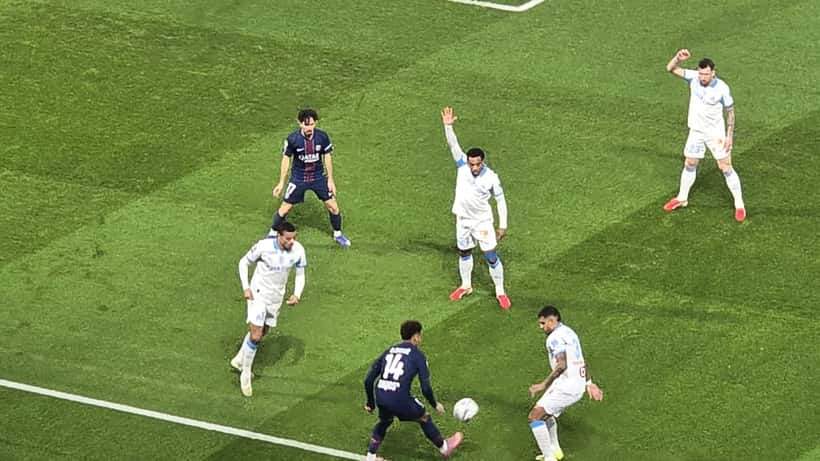
On 18 June 2026, Quinten Timber went from starting midfielder to medical protocol. A collision in Netherlands training left the Marseille man with a mild concussion, and the Dutch medical staff made the call that millions of amateur players and parents often resist: he stayed off the pitch. The 25-year-old twin brother of Arsenal's Jurriën Timber missed the Group A encounter against Sweden — and the decision highlighted a set of rules that apply just as much on a Sunday league pitch in Sunderland as on the World Cup stage.
What Happened to Quinten Timber at World Cup 2026
Timber had been part of Ronald Koeman's 26-man squad heading into the FIFA World Cup 2026. His club form for Marseille following his January 2026 move from Feyenoord earned him a starting berth, but a training ground incident on 18 June changed everything. The Dutch medical staff confirmed a mild concussion, and under international return-to-play protocols, Timber was immediately withdrawn from the squad for that match.
The Netherlands were ultimately knocked out by Morocco in the Round of 32 on 29 June 2026. Whether Timber's absence throughout the tournament affected the outcome is a football conversation — but the episode his concussion opened is a health one: what does a concussion actually mean, and when should anyone — professional or recreational — seek specialist assessment?
The UK's Concussion Guidelines: What They Say
In 2021, the UK government published its Action Plan on Concussion, and the subsequent landmark Concussion Guidelines for Grassroots Sport set out a clear national framework for every level of the game. The rules are now consistent from Premier League training grounds to park football pitches across England, Scotland, Wales and Northern Ireland.
The core principle is simple: if in doubt, sit it out. Under the UK-wide guidance, anyone suspected of a concussion should not return to sport within 24 hours of the incident. Beyond that initial rest window, the return is graduated — competitive sport should not resume before day 21, and only if the individual has been symptom-free at rest for 14 days and during non-competitive training. For Timber, that protocol meant his World Cup availability was restricted from the moment the medical team made their assessment.
The NHS advises anyone with a potential head injury to call NHS 111 within 24 hours, rest, and limit screen time for the first 24 to 48 hours. If symptoms last more than four weeks, that is the threshold at which a GP referral to a specialist — typically a neurologist or sports medicine physician — is recommended.
Why the 21-Day Rule Matters More Than Most People Realise
The most dangerous outcome of a concussion is not the initial impact — it is what happens if a second head injury occurs before the brain has fully recovered. Second Impact Syndrome is rare but potentially fatal, occurring when an individual sustains a concussion while still symptomatic from a previous one. The brain, still in a vulnerable state of chemical and metabolic flux, cannot regulate swelling effectively.
This is why professional football has moved towards strict graduated return-to-play protocols, and why the UK guidelines carry the force they do at every level of the sport. A grassroots midfielder who shrugs off dizziness and returns to play the following Saturday is taking a risk that the science simply does not support.
The signs to watch for after any head injury in sport include: persistent headache, dizziness or balance problems, nausea, sensitivity to light or noise, difficulty concentrating, and a feeling of mental fogginess. For children, irritability, changes in sleep patterns, and poor academic performance can also be concussion symptoms even days after the event.
Concussion Is Not Only a Football Problem
Timber's case sits in public view because of the World Cup spotlight, but concussion affects participants across virtually every contact and collision sport. In the UK, rugby union, rugby league, hockey, cycling, and martial arts all produce concussion cases at grassroots and competitive levels. Sport England's guidelines apply broadly, and the message from medical authorities is consistent: early assessment, rest, and graduated return are non-negotiable, regardless of the competition stakes.
Research published in the British Journal of General Practice highlighted that prolonged concussion symptoms — termed Post-Concussion Syndrome — affect a significant minority of those who sustain head injuries in sport and can result in weeks or months off work, with associated mental health impacts including anxiety and depression. The economic cost of managing these injuries poorly is substantial, both for individuals and for NHS services.
3 Signs You Need to See a Specialist Right Away
Not all concussions are managed correctly at first presentation. Many people do not seek assessment following a sports head injury, particularly where symptoms appear mild or resolve within hours. According to the UK's grassroots concussion guidance, any of the following require immediate emergency care:
- Loss of consciousness, seizure, or repeated vomiting — these are red flag signs that warrant a 999 call or immediate A&E attendance.
- One pupil appearing larger than the other, or slurred speech — these suggest more serious neurological involvement that needs emergency assessment.
- Symptoms that worsen significantly in the hours after the injury — rather than gradually easing, a deteriorating headache or increasing confusion is a warning sign.
For symptoms that are present but not immediately alarming — persistent headache, brain fog, disturbed sleep — a GP is the right first point of call. From there, a referral to a sports medicine specialist or neurologist can assess whether further investigation, including imaging, is appropriate.
A qualified health specialist via ExpertZoom can advise on concussion symptoms, review your recovery timeline, and help ensure you return to sport safely — whether the injury happened at the World Cup or your local park.
The Bigger Picture: Sport and Brain Health in 2026
Quinten Timber's concussion is part of a wider conversation football has been having for years about brain health. The FIELD study — a major UK research project tracking former professional footballers — found significantly elevated rates of neurodegenerative disease, including dementia and motor neurone disease, among players who headed the ball regularly across their careers. While a single concussion is not the same as chronic repetitive head trauma, each impact event matters.
Taking recovery seriously at every level of the sport is now medical consensus. The Dutch training ground decision on 18 June 2026 to keep Timber off the pitch is exactly what the NHS, Sport England, and the UK government's own guidelines say should happen — and the same standard should apply in amateur and youth sport across the country.
This article is for informational purposes only and does not constitute medical advice. If you or someone you know has experienced a head injury during sport, seek prompt assessment from a qualified healthcare professional.
