 Mark Roberts
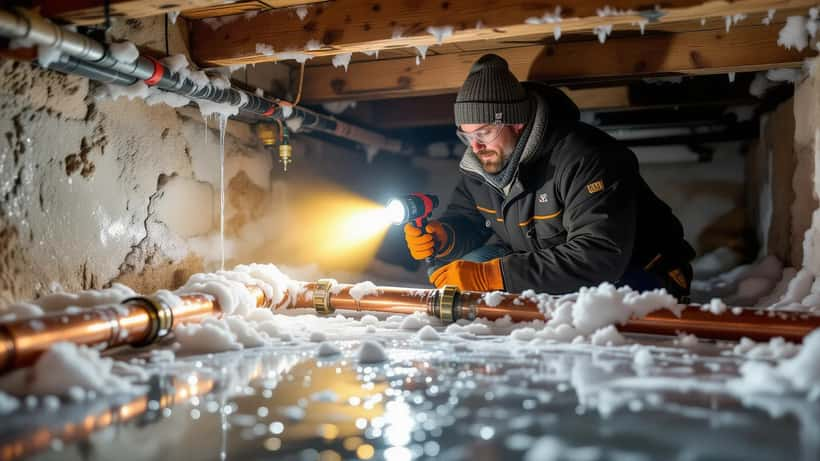
A significant polar vortex disruption is forecast for the UK this winter, with meteorologists warning of Sudden Stratospheric Warming events that could send temperatures below -10°C across large parts of Britain in early 2026. For millions of UK homeowners, this is not just a weather story — it is a financial one. Burst pipes alone cost UK insurers an average of £33,000 per claim in 2024, according to industry data, and home improvement experts say the window to prevent that damage is closing fast.
What a Polar Vortex Means for UK Homes
The polar vortex is a band of powerful winds circling the Arctic that normally keeps the coldest air locked near the North Pole. When it weakens — a process triggered by Sudden Stratospheric Warming (SSW) — Arctic air spills southward into Europe and the UK. According to the Met Office, SSW events occur roughly every two years on average and have a well-documented link to prolonged cold spells lasting two to six weeks after the stratospheric disruption begins.
For UK homes, a prolonged cold spell is not simply about higher heating bills. It means exposed pipework — in lofts, garages, cavity walls, and unheated outbuildings — faces serious risk. UK building stock is notoriously poorly insulated: a 2024 government survey found that 19 million homes in England alone carry an EPC rating of D or below, meaning they lose heat rapidly once external temperatures drop sharply. Pipes in those properties are particularly vulnerable once temperatures fall below -5°C for more than 12 consecutive hours.
Why Home Improvement Experts Are Raising the Alarm
Allianz UK revealed that between January 2023 and September 2025, it paid out £20 million across 345 burst pipe claims — an average of nearly £58,000 per claim in its portfolio alone. The single largest claim reached £566,000 after pipes burst in a four-bedroom home while the owners were abroad. Across the wider UK insurance market, 2024 saw roughly 8,000 weather-related pipe damage claims settled, with the average payout reaching £33,000 — nearly double the £17,000 average recorded in 2023.
Home improvement experts consistently point to one underlying cause: preventable neglect. A 15mm copper pipe in an unheated loft can freeze solid within 18 hours at -5°C. At -10°C, it can take less than six hours. The repair cost of a single burst pipe — factoring in emergency callout fees, water extraction, plasterwork, flooring replacement, and drying equipment — routinely exceeds £5,000 even for a contained incident on one floor.
"The pattern we see in claims is almost always the same: pipes in lofts and garages that hadn't been lagged, in homes where the owners hadn't thought about it since they moved in," industry analysts note. The gap between a forecast and a freeze can be as little as 48 hours — and heating engineers' diaries fill within hours of a severe weather warning being issued.
Five Preparations Every UK Homeowner Should Make Before the Freeze
Home improvement specialists identify five high-priority actions before a polar vortex cold snap:
1. Lag all exposed pipes. Any pipe in an unheated space — loft, garage, external wall void, underfloor void — needs foam pipe lagging. Standard 15mm and 22mm lagging costs under £2 per metre at DIY retailers. A full loft pipe lagging job takes most homeowners under two hours.
2. Service the boiler now. An annual boiler service costs between £60 and £120 and is required by most boiler warranties. A boiler failure on the coldest night of the year can leave a home without heating for 48 to 72 hours while engineers manage competing callouts.
3. Locate and test the mains stopcock. Every adult in the household should be able to find and turn off the mains stopcock within 30 seconds. In a burst pipe emergency, shutting off the water supply is the single most important first action.
4. Check loft insulation depth. The government recommends a minimum of 270mm of mineral wool insulation in loft spaces. Homes built before 1990 often have 100mm or less. Inadequate insulation allows loft temperatures to fall close to outdoor levels during extreme cold, dramatically increasing the risk to any pipework overhead.
5. Seal external draughts. Draught-proofing letterboxes, window frames, and gaps around external doors — a job that typically costs £200 to £400 for a semi-detached property — helps maintain internal temperatures above the critical 13°C threshold that prevents pipe freezing.
When the Polar Vortex Arrives Without Warning: A Leeds Homeowner's Scenario
Consider a homeowner in Leeds with a 1970s semi-detached house rated EPC D. The property has a hot water cylinder in the loft, fed by a 15mm copper cold-water supply pipe that runs along the uninsulated north-facing gable wall. No pipe lagging has ever been fitted to that run.
In mid-January 2026, the polar vortex disruption arrives as forecast. Overnight temperatures fall to -11°C. By 2am, the loft temperature is -6°C. The cold water feed to the cylinder — exposed, unlagged, against a cold wall — freezes solid within 16 hours.
By mid-afternoon the next day, as temperatures briefly recover to -2°C, a hairline fracture opens in the pipe wall. The homeowner is at work. Water begins running into the ceiling void.
The direct financial damage: emergency plumber callout £350, ceiling repair and replastering (living room and landing) £2,800, carpet replacement £1,400, professional drying equipment hire for five days £700. Total pre-excess cost: approximately £5,250. Insurance excess of £250 applies; net claim £5,000.
The critical if/then logic: if that same pipe runs undetected for a weekend — say the homeowner is away — and 60 hours of water ingress affects two floors, the claim value rises toward the 2024 industry average of £33,000, with some cases reaching six figures.
The counterfactual: approximately three metres of foam pipe lagging at £5.40, taking 15 minutes to fit. A home improvement expert consulted in November during a routine pre-winter inspection would have flagged this pipe as the single highest-risk point in the property.
The insurance implication: policies commonly include a clause requiring homeowners to "take reasonable steps to prevent loss or damage." If an insurer can demonstrate that a burst pipe was caused by an obviously unlagged pipe in an unheated space — and that this had been the case for years — it may reduce or dispute the claim. Always document any preventive work you carry out before a cold snap.
If Damage Has Already Occurred: What to Do First
If you discover cracked or burst pipes after a freeze, the order of action is critical:
- Turn off the mains water immediately at the stopcock.
- Turn on all cold taps to drain pressure from the system.
- Do not use electrical sockets or switches in rooms where water has entered walls or ceilings — water and hidden wiring are a serious hazard.
- Call your insurer before beginning repairs. UK insurers require the opportunity to inspect damage; beginning repair work before notification can complicate or reduce a claim.
- Photograph and video everything before any clean-up begins.
If your insurer delays unreasonably or disputes a valid claim, you can refer the case to the Financial Ombudsman Service at no cost. The FOS resolved over 43,000 home insurance complaints in the financial year 2024–25.
The Window to Act Is Now
The most effective time to consult a home improvement professional about winter-proofing is before severe weather appears in the forecast — not once it has arrived. Once a polar vortex event is confirmed, demand for plumbers, heating engineers, and insulation contractors spikes sharply, with some areas seeing appointment wait times stretch to two to three weeks.
A pre-winter home assessment identifies the specific vulnerabilities of your property — unlagged pipework, ageing boilers, insufficient loft insulation, draughty windows — and prioritises work by cost and risk. For EPC D or E properties, the investment is almost always a fraction of the first claim.
With polar vortex forecasts for winter 2026 now appearing in long-range models, an experienced home improvement expert consulted before October ends may be the most cost-effective appointment you make all year.
Disclaimer: Insurance policy terms vary. Always check the specific conditions of your home insurance policy before making a claim or undertaking repair work.
