 Isobel Fraser
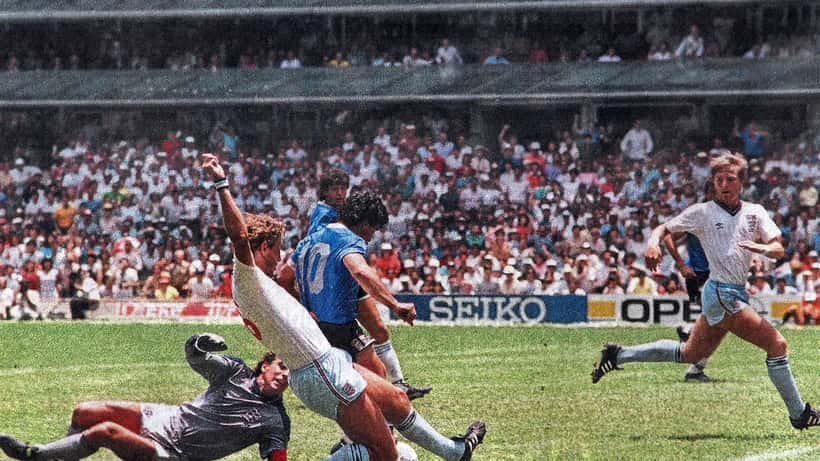
Peter Shilton, England's most-capped goalkeeper with 125 international appearances, made headlines in June 2026 when he finally forgave Diego Maradona's "Hand of God" — 40 years after the infamous 1986 World Cup quarter-final that eliminated England in Mexico City. In a Lynx-sponsored reconciliation event dubbed "The Official Makeup", the 76-year-old publicly drew a line under football's longest controversy, shaking hands with a mascot representing that moment. But Shilton's other battle — a 45-year gambling addiction that cost him millions of pounds — carries a harder lesson, one that every UK fan betting on the 2026 World Cup should hear.
The Addiction That Drained a Legend's Earnings
Shilton has spoken with unusual candour about his compulsive gambling. In his memoir Saved: Overcoming A 45-Year Gambling Addiction, co-written with his wife Steph, he described a habit that started innocuously — "a few bob on the horses" — and grew into a compulsion that nearly destroyed him mentally, physically, and financially.
"I genuinely do not have a clue how much it cost me," he has said. "But it runs into millions."
That admission is remarkable given the scale of his earning years. Shilton played professionally from 1966 to 1997, representing Nottingham Forest, Southampton, Derby County, and more than a dozen other clubs across a 31-year career. He should, by any calculation, have retired in comfort. Instead, the addiction quietly consumed what he earned.
His recovery began when he met Steph around a decade ago. He has not placed a bet in more than six years. He now campaigns alongside Gambling With Lives, a charity founded by families bereaved by gambling-related harm.
Why This World Cup Is the Riskiest Betting Season in British History
Shilton's renewed prominence this summer is not coincidental. The 2026 World Cup is the highest-profile football tournament ever staged in terms of UK betting volume. Bookmakers have reported record pre-tournament deposits, and in-play betting markets — available on smartphones in real time — create a frictionless environment for impulsive decisions.
According to the Gambling Commission, approximately 300,000 people in Great Britain currently experience significant harm from gambling, with a further two million at moderate risk. Those figures are expected to rise during major tournaments, when exposure to betting advertising increases sharply and social norms around wagering shift.
For recovering gamblers, major sporting events represent one of the most dangerous periods of the year. The combination of heightened emotion, accessible betting platforms, and peer pressure can override months of careful behaviour.
The Financial Damage Looks Different From the Outside
One reason gambling addiction goes unaddressed for so long — Shilton's lasted 45 years — is that it rarely looks catastrophic until the final stages. Early wins reinforce the illusion of control. Losses are privately absorbed through savings, then credit cards, then informal borrowing from family.
By the time a financial adviser becomes involved, clients often face a complex web of debts spread across multiple creditors: personal loans taken to cover earlier bets, credit card balances run up during losing streaks, and overdraft facilities used without any plan for repayment. The emotional shame attached to gambling debt — distinct from other forms of financial difficulty — frequently delays disclosure, compounding the damage.
Shilton's story is exceptional in scale but ordinary in structure. The same escalation pattern plays out across hundreds of thousands of British households, just with lower starting incomes and thinner safety nets.
What Financial Recovery Actually Requires
Recovering from gambling-related financial harm is achievable, but it requires a deliberate process that goes well beyond simply stopping the betting.
A complete debt picture. The first step is almost always the most surprising: most people in gambling recovery underestimate their total debts, because borrowing was fragmented and often hidden. A full audit — credit cards, overdrafts, personal loans, missed utility bills — gives a genuine starting point.
Structural barriers to relapse. Financial advisers working alongside recovering gamblers often recommend access restrictions: joint-authorisation requirements on withdrawal accounts, Gamstop self-exclusion registration, and digital blocking tools on devices. These aren't punitive; they reduce the cognitive load on someone in early recovery.
A realistic debt repayment timeline. Depending on the total owed, formal options such as a Debt Management Plan or an Individual Voluntary Arrangement may be more effective than informal repayments. A regulated financial adviser can map the available routes without prejudice.
Rebuilding credit incrementally. Gambling-related debt often leaves significant marks on credit files. Consistent, on-time payment behaviour over 12 to 36 months is the only reliable way to repair it. Advisers can model what that timeline looks like for mortgage eligibility or retirement planning.
Parallel emotional support. Financial recovery stalls if the addictive behaviour recurs. Advisers working in this area increasingly co-refer clients to GamCare counselling, NHS gambling clinics, or Gamblers Anonymous. Steph Shilton's role in her husband's recovery illustrates how important relational support is alongside professional help.
The 2026 Warning
The 40th anniversary of the Hand of God coincided, almost perfectly, with a World Cup summer when UK gambling is at its most accessible, its most marketed, and its most socially acceptable. Shilton has forgiven Maradona. Whether British fans can protect themselves from decisions made impulsively over the coming weeks is a different kind of reckoning.
If you or someone close to you is concerned about gambling this summer, the National Gambling Helpline (0808 8020 133, run by GamCare) is available 24 hours a day, free and confidential.
Disclaimer: This article covers gambling-related financial harm, which is a serious issue with legal, health, and financial dimensions. The information here is general in nature. For personalised financial advice, speak with a regulated professional.
Expert Zoom connects you with regulated Wealth Management advisers who can help you understand your financial position and plan a recovery. Use our platform to find a qualified professional near you.
