 Alistair Finch
Brighton's patrol boat returned to its seafront berth in late June 2026 — but this summer it is operating under the shadow of five recent deaths along the city's beaches and a renewed push by councils across England to enforce coastal byelaws that many water users did not know existed. If you own a jet ski, hire an inflatable, or simply want to swim off a busy beach, understanding what those byelaws actually prohibit — and when breaking them becomes a criminal matter — has never been more important.
What Triggered the Return of the Patrol Boat
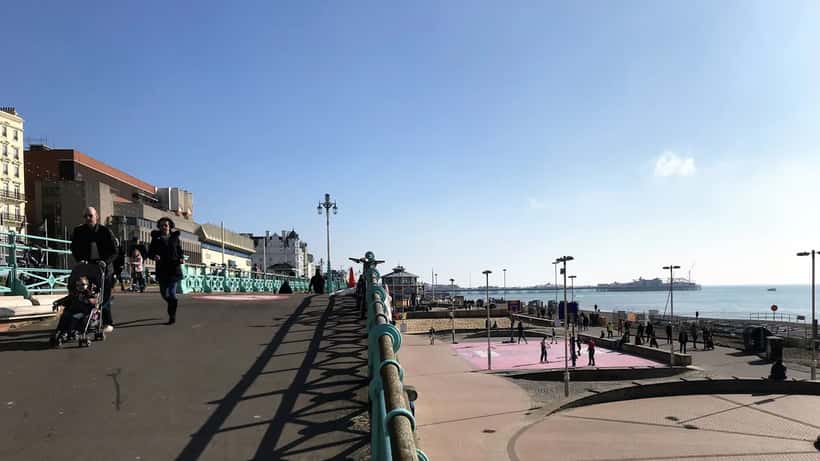
Brighton and Hove City Council relaunched its seafront patrol vessel on 27 June 2026, just before the Brighton Pier to Pier Swim Race drew hundreds of participants into open water. The decision followed a spike in complaints about reckless personal watercraft use in May and June, including near-misses between swimmers and jet-ski riders, and the deaths of five people along the seafront in recent months, according to Brighton and Hove News (20 July 2026).
The boat is crewed by council staff and operates mainly during calm, peak-traffic conditions. Its primary task is to engage jet-ski riders operating inside designated exclusion zones, redirect inflatables and paddle boards that have drifted dangerously far from shore, and enforce the existing bathing byelaws that apply between May and September each year.
The council is not alone. From Chichester to Colchester, local authorities are stepping up coastal enforcement this summer, frequently working alongside the Maritime and Coastguard Agency (MCA), which has held significantly expanded prosecution powers since March 2023.
Why Beach Byelaws Carry Real Legal Consequences
Most British beachgoers treat a council byelaw as a polite suggestion. In water-safety law it is anything but.
Brighton and Hove's bathing byelaws create 11 designated swimming areas and impose strict exclusion rules on motorised vessels:
- No motorised watercraft within 200 metres of the shore outside designated boat lanes.
- No speeding within 400 metres of the beach — a rule that overlaps with the UK-wide 8-knot speed limit within 300 yards of mean low water.
- No vessels under sail or motor entering bathing areas between 1 May and 30 September.
Breaching a council byelaw can result in a Fixed Penalty Notice or a summary prosecution, with magistrates' courts empowered to impose fines of up to £1,000 per offence upon conviction, according to local authority enforcement guidance.
But there is a second, more serious layer. Since 31 March 2023, the Merchant Shipping Act has been amended to treat personal watercraft such as jet skis as vessels for the purposes of dangerous operation law. This means a rider who injures a swimmer faces the same legal exposure as the master of a ship: an unlimited fine and up to two years' imprisonment under the powers confirmed by the UK government at the time of enactment. The MCA can refer cases directly to the Crown Prosecution Service.
For context, according to gov.uk's official news release on the 2023 amendment, this was explicitly designed to close the enforcement gap that had allowed dangerous jet-ski misuse to go largely unpunished for years.
Concrete Case: When a Day Out Becomes a Legal Emergency
Take the case of a rider who launches a jet ski from the beach at Brighton on a July afternoon in 2026. He stays inside what he believes is a safe corridor, but misjudges the edge of the 200-metre exclusion zone and clips the arm of a swimmer. The swimmer suffers a fracture and raises a complaint with the patrol boat crew, who radio the incident through to the harbour master.
Within hours, the rider faces two parallel processes: a potential council Fixed Penalty Notice of up to £500 for entering a bathing exclusion area, and a referral to the MCA for investigation under the Merchant Shipping Act for dangerous operation. If the MCA decides the conduct was reckless, the rider could face a Crown Court hearing where the fine is unlimited.
Under civil law, the injured swimmer can simultaneously pursue a personal injury claim. A solicitor acting for the claimant would argue negligence: the rider owed a duty of care, breached it by entering a designated bathing area, and caused quantifiable harm. Awards in comparable cases — fractured limb, out-of-pocket medical costs, temporary loss of earnings — typically range from £6,000 to £25,000 depending on severity and recovery time, based on Judicial College guidelines for orthopaedic injuries in England and Wales.
If the rider has watercraft insurance with third-party liability cover, the insurer steps in — but only if the policy was valid at the time and the rider was not in breach of its terms (e.g., operating outside permitted zones). A lawyer specialising in maritime or personal injury law is essential at this point: the interaction between criminal byelaw liability, MCA investigation, and civil damages is not something a standard legal advice service is equipped to navigate.
What Changes This Summer
Three developments make the 2026 season notably different from previous years:
Wider deployment of patrol vessels. Brighton is one of several councils deploying dedicated boats rather than relying on RNLI volunteers and lifeguards to report incidents. Councils now have a direct enforcement presence on the water for the first time in a decade, meaning incidents that previously went unrecorded are being logged and referred.
Post-death political pressure. The five deaths at Brighton's seafront have prompted council leaders to promise a "zero tolerance" approach to byelaw breaches during July and August. Officers on the patrol boat have been briefed to issue Fixed Penalty Notices rather than verbal warnings for first offences.
Expanded MCA enforcement powers. The MCA's 2023 powers are now three years old and the agency has built up a catalogue of prosecutions. Legal observers expect the 2026 summer season to produce the first cases where a reckless jet-ski rider reaches a Crown Court hearing under the unlimited-fine provision.
What Should You Do If You Receive a Notice or Summons?
A Fixed Penalty Notice for a byelaw breach is not a criminal conviction — you can pay it (typically within 21 days) or contest it in a magistrates' court. If you contest and lose, the maximum fine rises to £1,000 plus court costs.
An MCA referral or a civil claim is a different matter entirely. Key steps:
- Do not make a statement to any authority without legal advice. Anything said to patrol officers or the harbour master can be used in later proceedings.
- Preserve evidence. GPS track logs from your device, weather and tide data, and photographs of the location are essential to reconstruct whether you were truly inside an exclusion zone.
- Notify your insurer immediately. Delay can invalidate a third-party liability policy.
- Consult a solicitor with maritime or personal injury experience. The interaction between byelaw prosecution and civil liability is a specialist area. A general high-street practitioner may not be aware of the MCA's enforcement pipeline or how to challenge a Fixed Penalty Notice effectively.
If you are the injured party — a swimmer or paddleboarder — the same rule applies: legal advice early, while evidence is fresh and the patrol boat's incident log still names the perpetrator.
Disclaimer: This article is for information only and does not constitute legal advice. Maritime law and byelaw enforcement vary by local authority. Consult a qualified solicitor for advice on your specific situation.
A legal expert on ExpertZoom can help you understand your rights and obligations whether you are facing a fine, an MCA investigation, or a personal injury claim arising from a coastal incident.
