 Charlotte Hughes
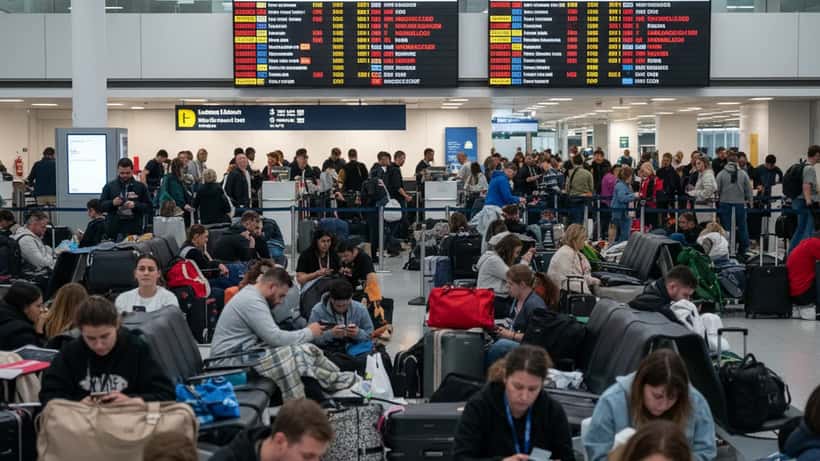
Thousands of British travellers were left stranded across European airports between 1 and 4 April 2026 as a cascade of flight cancellations and delays swept through major hubs. Across Paris Charles de Gaulle, London Heathrow, Amsterdam Schiphol, Madrid Barajas and Rome Fiumicino, airlines including British Airways, KLM, SAS, Lufthansa and Air France cancelled 65 flights and delayed more than 1,200 on Easter weekend alone.
What caused the Easter travel chaos?
The disruption was triggered by a combination of factors converging on one of the busiest travel periods of the year. Easter 2026 saw record demand, with Heathrow estimating passenger volumes 12 percent above the same period in 2025. Staffing shortages at several ground handling companies, border technology glitches at Schiphol, and residual weather disruption from Storm Dave over Scandinavia combined to create a domino effect across European airspace.
By 4 April, the total count had reached 58 additional cancellations and 1,379 further delays — on top of the initial Easter weekend wave. Passengers reported waiting six to twelve hours in terminals without adequate food vouchers, hotel accommodation, or clear communication from airlines. Some travellers missed connecting flights and were stranded for more than 24 hours.
What are your legal rights as a stranded passenger?
Under UK Regulation 261/2004 — which was retained in domestic law after Brexit — passengers departing from or arriving at UK airports on a UK or EU carrier have clearly defined rights when their flight is cancelled or significantly delayed.
Cancellations: If your flight is cancelled and the airline notifies you fewer than 14 days before departure, you are entitled to a full refund or rebooking on an alternative flight, plus compensation of between £220 and £520 depending on the flight distance, unless the cancellation was caused by extraordinary circumstances such as extreme weather or air traffic control strikes.
Long delays: If your flight is delayed by three hours or more on arrival, you may be entitled to the same compensation as for cancellations, provided the delay was within the airline's control. Delays caused by genuine extraordinary circumstances — such as a severe storm — fall outside the compensation scheme, but airlines must still provide assistance.
Duty of care: Regardless of the cause, airlines have an absolute duty of care during any significant delay. This means they must provide meals and refreshments proportionate to the waiting time, hotel accommodation if an overnight stay becomes necessary, and transport between the airport and hotel. If the airline fails to provide this and you incur costs, you can claim reimbursement.
What to do if you were stranded
The steps you take in the hours and days following a disruption significantly affect your ability to claim successfully.
Document everything. Keep receipts for all expenses: food, accommodation, transport. Take screenshots of your boarding pass, the cancellation or delay notification, and any communications from the airline. If the airline failed to provide assistance, note the time and what you were told.
Submit a claim promptly. Most airlines have online claims forms. Submit your claim within the legally recommended timeframe — while there is no strict deadline under UK law, courts and arbitrators look more favourably on timely claims. Reference your flight number, departure date, and the specific regulation you are claiming under.
Use alternative dispute resolution if the airline rejects your claim. If the airline dismisses your claim or offers less than you are entitled to, you can escalate to an approved Alternative Dispute Resolution (ADR) scheme such as CEDR Aviation, Aviation ADR, or the Civil Aviation Authority. These are free for passengers and binding on participating airlines.
Consider a legal specialist for complex cases. Multi-leg journeys, business travel with significant financial loss, or cases involving third-party travel agents can become legally complex. An aviation law specialist can assess whether you have a strong case and pursue it on your behalf — often on a no-win, no-fee basis.
When compensation may not apply
It is important to understand the limits of your rights. Extraordinary circumstances — including severe weather events, hidden manufacturing defects, air traffic control strikes, or political unrest — can exempt airlines from compensation. However, airlines frequently over-rely on this defence, and regulators have found that operational and staffing issues do not qualify as extraordinary.
The Civil Aviation Authority's guidance makes clear that a staffing shortage that the airline could have anticipated and managed is not extraordinary. The Easter 2026 chaos, driven largely by foreseeable peak demand and pre-known staffing shortfalls, may therefore be contestable — making it worth submitting a claim even if the airline initially cites extraordinary circumstances.
Expert advice pays
Passenger rights law sounds straightforward but is frequently misapplied — by airlines. A solicitor or legal advisor with aviation expertise can review your case, identify whether the airline's extraordinary circumstances defence is legitimate, and advise on the strength of your claim before you invest time in the process.
For more official guidance on your rights as an air passenger, visit the Civil Aviation Authority website. If you need personalised legal advice about a recent flight disruption, an aviation law specialist on Expert Zoom can review your situation and guide you through the claims process.
Disclaimer: This article provides general information about passenger rights and does not constitute legal advice. For advice specific to your circumstances, consult a qualified solicitor.
