 Abigail Clarke
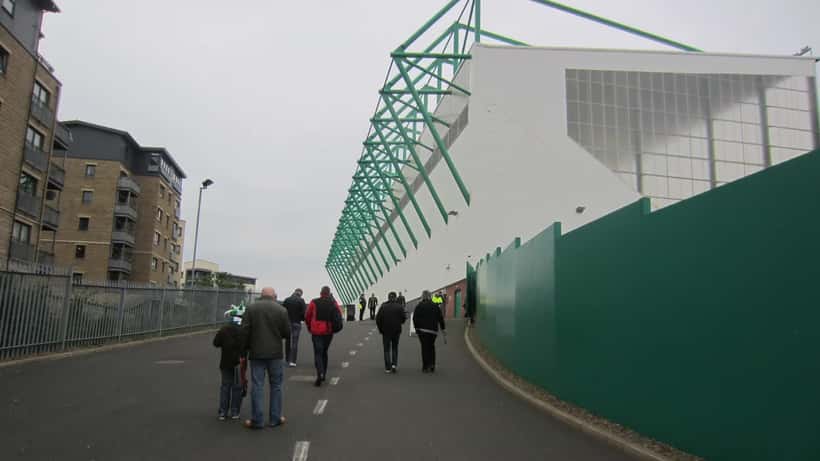
Partick Thistle face Dunfermline Athletic tonight at Firhill in the second leg of their Scottish Championship play-off semi-final. After a 1-1 draw in the first leg on 12 May, everything is to play for, with the winner facing St. Mirren in the final. If Thistle advance, it would be their fifth consecutive year in this competition — and potentially, finally, a route back to the Scottish Premiership.
For the Jags' loyal support, tonight is not just a football match. It is the fifth time in as many years they have endured this specific, particular form of hope-mixed-with-dread. And for some fans, that cycle has become something more than sporting interest. It has started to feel like a mental health issue.
What Happens in Your Body During a High-Stakes Match
When the stakes are this high, your nervous system does not distinguish between a football match and a genuine threat. The brain responds to anticipated danger — which includes the prospect of familiar, gut-wrenching defeat — by releasing cortisol and adrenaline. Heart rate rises. Muscles tense. Attention narrows.
For most fans, this is the pleasurable edge that makes sport worth following. The neurochemical cocktail of tension and release, disappointment and elation, is precisely why you care. But when cortisol levels stay elevated over an extended period — such as weeks of play-off run-in football — the body pays a price. Persistent cortisol elevation is linked to irritability, restlessness, sleep disruption, and heightened background anxiety.
For Partick Thistle supporters who have lived through four consecutive seasons of this, the pattern is not a one-off spike. It is an annual emotional cycle with a specific shape: hope in March, tension in April, agony or relief in May.
When Does Sports Anxiety Become a Medical Concern?
Most supporters will recover quickly from tonight's result — whichever way it goes. The body's stress response is designed to spike and subside. But doctors and mental health professionals flag specific warning signs that suggest something more significant is happening:
Persistent low mood lasting more than two weeks. If you find yourself genuinely flat — not just disappointed — for an extended period after a sporting result, this is worth taking seriously. Research indicates that for people already vulnerable to depression, a significant sports loss can act as a trigger for a depressive episode.
Physical symptoms without physical cause. Unexplained headaches, digestive problems, muscle tension, or fatigue linked to the build-up to big matches can indicate that your body is carrying stress it is not processing effectively.
Interference with daily functioning. If the anxiety around a match is affecting your sleep, concentration at work, or relationships in the days beforehand, the level of distress has moved beyond normal sporting investment.
Repeated pattern across seasons. This is the specific factor for Thistle fans and supporters of any club caught in a similar cycle of near-miss football. Research into sports fan psychology suggests that repeated disappointment — especially when it follows a pattern of near-success — can create a learned helplessness response. The brain, conditioned to expect the worst, starts anticipating failure before it happens. This anticipatory anxiety can be harder to manage than the outcome itself.
The Five-in-a-Row Effect
Partick Thistle's situation is unusual in Scottish football. They are good enough to reach the play-offs year after year; not quite capable (yet) of avoiding them. That specific purgatory — always within reach, never quite arriving — is clinically interesting.
Sports psychologists use the term "ambiguous loss" to describe the emotional experience of a team that is perpetually unresolved: not relegated, not promoted, suspended between divisions. Fans of such teams often report higher baseline anxiety about football than supporters of clubs with more decisive recent histories, even including relegation.
For some Thistle fans, tonight will be cathartic regardless of the result. For others, especially those who have been here four times before, the emotional stakes may feel disproportionate — and that disproportion itself is a sign worth noticing.
What to Do If You Recognise These Signs
If you recognise yourself in the more severe end of this spectrum, there are practical steps:
Speak to your GP. The NHS offers free access to mental health support through referrals for talking therapies, including cognitive behavioural therapy (CBT) which is particularly effective for managing anticipatory anxiety. You do not need a sports-specific reason to access this support — workplace stress, anxiety, or disrupted sleep are all sufficient grounds for a referral.
Contact a mental health specialist directly. Private therapists and GPs can provide faster access if NHS waiting times are a barrier. According to NHS guidance on anxiety disorders and when to seek help, persistent anxiety that affects your daily life warrants professional assessment.
Use evidence-based self-management tools. Breathing exercises, progressive muscle relaxation, and limiting consumption of anxiety-amplifying social media in the days before a big match are all clinically supported techniques for managing acute sports anxiety.
Talk to someone. The social dimension of supporting a club is itself protective. Sharing your feelings with fellow supporters — rather than suffering in isolation — is associated with faster emotional recovery after difficult results.
At Expert Zoom, our network includes GPs, mental health practitioners, and therapists who can assess whether your stress response is proportionate — and who can provide support if it is not.
Thistle kick off tonight at Firhill. Whatever happens, there will be another season of football, another chance, another spring — and proper support is available if you need it.
Disclaimer: This article provides general health information only and does not constitute medical advice. If you are experiencing persistent mental health symptoms, please consult your GP.
