 Alistair Finch
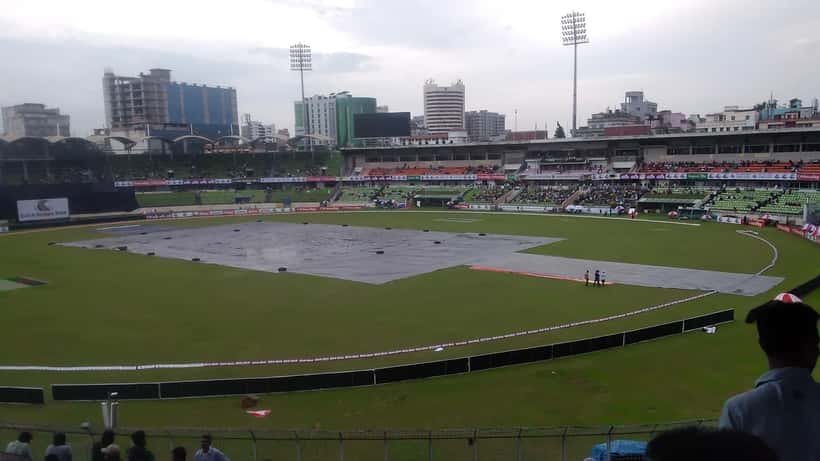
Pakistan reached the semi-finals of the 2026 Asian Games men's cricket competition on 28 September without facing a single delivery. Their quarterfinal against Hong Kong, China, at Korogi Sports Park in Nisshin, Japan, was washed out entirely — no toss, no play, not one ball bowled. Under the tournament rules, Pakistan advanced by virtue of holding a higher ICC T20I ranking. For Hong Kong, it was a brutal exit. For thousands of UK cricket fans who had placed bets on the match, the question is now more urgent than the cricket itself: what does the law actually say you are owed?
What Happened in Nisshin — and Why the Rain Rule Matters
The 2026 Asian Games cricket draw pitted Pakistan, led by T20 World Cup record scorer Sahibzada Farhan, against a Hong Kong side that had reached the knockout stage on the back of impressive performances from opener Anshy Rath. But a 91 per cent chance of rain had been forecast for Nisshin since Friday, and conditions delivered on that warning. Officials eventually called the match off without a toss, invoking the tournament regulation that sends the higher-ranked ICC side through in the event of a complete washout.
Pakistan advance. Hong Kong are out. And the result — such as it is — has nothing to do with cricket skill, form, or the coin in the referee's pocket.
For UK-licensed bookmakers, this creates an immediate and often contested question: is a match that never started a valid settled bet, a void bet, or something that depends entirely on the fine print you probably did not read before placing your wager?
What UK Gambling Law Says About Abandoned Matches
The UK Gambling Commission licences every bookmaker legally operating in Great Britain and sets the minimum standards they must meet in handling customer complaints and dispute resolution. Licensed operators are required to publish clear, accessible terms and conditions — and crucially, to apply those terms consistently and fairly.
When a cricket match is abandoned before play begins, the standard position for most UK-licensed operators is that all pre-match bets are voided and stakes returned. This applies whether the abandonment is caused by weather, venue issues, or force majeure. The reasoning is contractual: you placed a bet on the outcome of a cricket match, not on the outcome of a ranking-based tiebreaker conducted in a meeting room.
However — and this is where disputes arise — the PAK vs HK fixture is not a straightforward abandonment. The match does have a declared official result: Pakistan win, under the tournament's pre-agreed advancement rules. Some bookmakers will treat that as a legitimate settled result and pay out accordingly on "Pakistan to win" bets. Others will void the market entirely, arguing that no play took place. A smaller number use hybrid rules: settling certain markets (such as "match result") on the official outcome while voiding proposition markets (such as top scorer, method of first dismissal, or total runs).
None of these approaches is automatically right or wrong under UK law. What matters is whether the approach your bookmaker applied matches the terms they published when you placed the bet.
The Expert Angle: When Bookmakers Change Rules After the Fact
Gambling law solicitors working across England and Wales regularly see a particular pattern after high-profile sporting abandonments: a bookmaker quietly updates its terms page, then applies the new version to already-placed bets. Under the Consumer Rights Act 2015, that is an unfair contractual practice. A term that allows the seller to alter the price, settlement method, or terms of a contract unilaterally — after the consumer has already committed to those terms — is subject to the fairness test under Schedule 2 of the Act.
If you placed your PAK vs HK bet at 14:00 on Friday 25 September and the bookmaker's market rules at that moment stated "match abandoned = void", you have a contractual right to a voided bet. If the same bookmaker later says "official result stands" and settles Pakistan as winners, that is a material change to the terms you agreed to — and a legal challenge is available.
The reverse also applies: if the rules at the time of your bet stated "official tournament result governs all settlement", then a bookmaker voiding the bet and returning your stake (instead of paying out your Pakistan winnings) may equally be in breach of contract.
For UK consumers already navigating similar disputes arising from the cricket series across Asia this season, the article PAK vs HK: Overseas Player Visa Issues and UK Legal Rights explores related cross-border legal questions facing fans and players involved in this fixture.
Concrete Case: The £80 Bet That Depends on Three Words in the Small Print
Take the following real-world scenario, based on bet types commonly available on the PAK vs HK market this morning on major UK-regulated platforms.
You placed £80 on Pakistan to win at fractional odds of 1/4 (decimal 1.25), which was a standard price given Pakistan's status as strong favourites. If Pakistan win on the field, your return is £100 (£80 × 1.25 = £100), a profit of £20.
Now Pakistan "win" via the ICC ranking rule, and play never happens. Here is how the three most common bookmaker terms play out:
- Scenario A — "No play, void": Your £80 stake is returned. You receive no profit. Your expected £20 is lost to the abandonment.
- Scenario B — "Official tournament result governs": Pakistan are the official winner; your bet settles as a win. You collect £100. The £20 profit stands.
- Scenario C — "Minimum overs required" clause (common in T20 cricket markets): Many pre-match T20 match result bets specify that at least 5 overs per side must be completed for the bet to stand. Zero overs were bowled — the bet is void under this clause regardless of the official result.
The financial difference between Scenario A or C versus Scenario B is £20 on a single £80 bet. Scale that across the volume of UK wagers placed on this fixture — and estimates from comparable high-traffic international cricket fixtures suggest tens of thousands of bets — and the aggregate impact on consumers runs to hundreds of thousands of pounds.
If your bookmaker applied Scenario A or C and you believe the terms at the time of your bet supported Scenario B (or vice versa), you have a time-limited right to dispute. The internal complaint window is typically 8 weeks from settlement. After that, you can escalate to IBAS — the Independent Betting Adjudication Service — at no cost to you, or seek advice from a gambling law solicitor before the deadline passes.
What You Should Do in the Next 48 Hours
Step one — take a screenshot now. Before your bookmaker settles or voids the bet, capture the current status, your stake, the odds, and the market rules as displayed on the app or website. This is your primary evidence.
Step two — read the specific market rules, not the general T&Cs. Most platforms display rules that apply to individual markets (e.g., "Asian Games cricket — match result") separately from their headline terms. The market-specific rules will govern settlement of this bet.
Step three — if settled in a way you dispute, raise a formal complaint within the 8-week window. Address it in writing, citing the rules as they appeared at the time you bet and explaining how the bookmaker's settlement contradicts them. Keep every response.
Step four — escalate if needed. If your bookmaker does not resolve the complaint to your satisfaction, IBAS adjudication is free and binding on the operator. Alternatively, a consumer or gambling law solicitor can advise on whether the sum at stake justifies formal legal action.
Disputes over abandoned match settlements are among the most commonly upheld consumer complaints in UK sports betting. The key is acting quickly, before the 8-week window closes — and knowing which terms apply to the bet you actually placed, not the ones your bookmaker would prefer applied.
This article is for general informational purposes and does not constitute legal advice. If you have a specific dispute regarding a gambling transaction, consult a regulated legal professional.
format_used: News brief
