 Alistair Finch
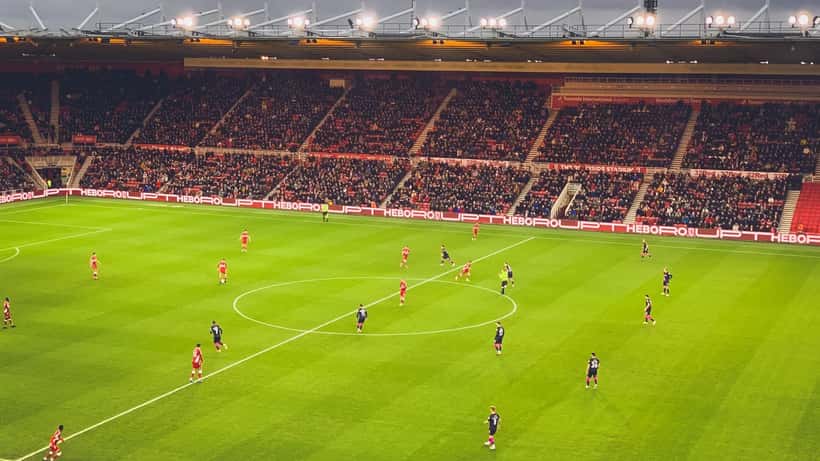
Nottingham Forest's long-awaited signing of Ousmane Diomande from Sporting Lisbon finally moved to its decisive stage this week. Reports confirm the clubs agreed an initial fee of €40 million (around £34 million), rising to €45 million (£38.5 million) through add-ons — and crucially, a 10 per cent sell-on clause in Sporting's favour. The fine print of that final clause is precisely why the deal spent several days stalling, and it raises questions well beyond football.
Why the Diomande Transfer Kept Stalling — and What the Sell-On Clause Actually Means
Ousmane Diomande is a 22-year-old central defender, an Ivory Coast international who impressed for Sporting CP throughout the 2025-26 season and caught the eye of Oliver Glasner's Forest side. The move was widely reported as done on multiple occasions before getting snarled up in payment structure negotiations. The primary sticking point, according to reports from nottinghamforest.news on 4 August 2026, was the precise wording and triggers governing the sell-on clause.
A sell-on clause (sometimes called a "sell-on fee" or "solidarity contribution" in football, though legally distinct) is a contractual provision under which the selling club receives a percentage of any future transfer fee if the buying club later sells the player. For Sporting Lisbon, a 10 per cent clause on a player sold for £34 million means they stand to receive a further payment — potentially millions of pounds — if Forest ever move the player on.
The dispute, it seems, centred on the basis against which that 10 per cent would be calculated: the gross transfer fee, the net profit, or the fee minus any outstanding add-ons still due? These are not abstract quibbles. On a player with the trajectory of Diomande, the difference between a clause calculated on gross proceeds versus net profit could be worth several million pounds.
The Legal Anatomy of a Sell-On Clause
Football's governing bodies have long recognised sell-on clauses as legitimate tools for smaller clubs to benefit from the long-term value they create by developing players. FIFA's Regulations on the Status and Transfer of Players (RSTP) — the international framework governing professional football transfers — set out rules for "training compensation" and "solidarity contributions," but bilateral sell-on clauses between clubs go further and operate under ordinary contract law.
From a legal perspective, a well-drafted sell-on clause will specify:
- The trigger: Does it activate on every future transfer, or only on permanent ones? Does a loan deal with an obligation to buy count?
- The base: Is the 10 per cent calculated on the gross transfer fee, the fee net of agreed add-ons, or the profit above a floor price?
- The duration: Does the clause apply for the entire remaining career, or only the next two or three transfers?
- Anti-dilution provisions: What happens if the player is sold as part of a multi-player deal, making it impossible to isolate his individual valuation?
- Enforcement mechanism: Which jurisdiction's courts have authority? Which arbitration body (FIFA's Dispute Resolution Chamber, the Court of Arbitration for Sport, or a domestic court)?
Sporting Lisbon — a Portuguese club selling to a Premier League side — would want English law to govern as little as possible, while Forest's lawyers would prefer the matter to stay within Premier League and Football Association protocols. These competing preferences explain why seemingly "done" deals can still take days to finalise.
Solicitors specialising in commercial contract law see analogous disputes regularly, far outside football.
Sell-On Clauses Are Not Only for Footballers: Why This Matters to You
The Diomande deal has captured public attention because the sums are large and the parties are famous. But the underlying legal instrument — a contractual right to a percentage of a future resale — appears in dozens of everyday commercial contexts that affect ordinary people and businesses. It shares the same logic as the add-on structures analysed in how Leeds United retained value from Crysencio Summerville's World Cup 2026 sale, where performance thresholds determined which party actually profited from a player's development.
Business acquisitions: When a founder sells a company for £500,000 with a 15 per cent sell-on clause, they stand to receive £75,000 if the buyer resells within five years for £1 million. But if the clause does not specify that it covers partial disposals, a canny buyer could sell a 49 per cent stake — extracting most of the value — and argue the clause was never triggered.
Intellectual property transfers: A software developer selling a proprietary platform might negotiate a sell-on provision — often called a "royalty on resale" — as part of the purchase price. The same definitional gaps (what counts as a "sale"? does a licensing deal qualify?) can erode value dramatically.
Property overage clauses: In UK residential and commercial property law, a seller granting planning permission potential to a buyer may agree to an "overage clause" — the closest direct equivalent to a sell-on clause — under which the seller receives a share of uplift in value if planning consent is granted and the site is developed or resold above an agreed threshold.
In all these cases, the outcome depends almost entirely on the precision of the drafting. A clause that looks protective on paper can be worth nothing if it fails to define its own triggers.
The £6 Million Scenario: A Concrete Case
Consider the Diomande deal three years from now. Suppose Nottingham Forest, having finished in the top six in 2027-28, attract interest from a Spanish club willing to pay £60 million for the defender. That would be a £26 million profit over their £34 million outlay — a healthy return by Premier League standards.
Under a straightforward gross-fee sell-on clause, Sporting Lisbon's 10 per cent entitlement would be £6 million, paid within a fixed window after the transfer completes.
But what if Forest structure the deal creatively? Say the Spanish club agrees to pay £30 million upfront, plus £30 million in performance-related add-ons that may never fully vest. If the clause was not drafted to cover "potential total value" or the "maximum contractual fee," Sporting's lawyers might argue over £3 million — 10 per cent of the upfront element only — rather than the expected £6 million.
That £3 million gap — on a deal originally worth £40 million — is precisely the kind of dispute that ends up before FIFA's Dispute Resolution Chamber or, in cases involving Premier League clubs, the Premier League's own legal panels.
Now transpose the logic to a small business transaction. A freelancer sells their client management software to a competitor for £80,000, retaining a 20 per cent sell-on clause. Two years later, the buyer is acquired by a US technology company for a blended deal worth £600,000 — which the buyer argues cannot be disaggregated to isolate the software's value. Without specific anti-aggregation language in the original contract, the freelancer's entitlement could be legally unenforceable.
The rule: If a sell-on clause does not define precisely what constitutes a "sale," on what amount the percentage is calculated, and what happens when value is obscured within a larger transaction, it can effectively be worth zero.
What a Solicitor Will Actually Check
Contract solicitors reviewing sell-on provisions focus on several non-obvious failure points that non-specialist buyers and sellers routinely miss.
First, trigger definition. "Sale or transfer of any interest" is meaningfully different from "transfer of majority ownership." The former catches partial disposals; the latter does not. In football, a loan with an embedded obligation to buy sits in a grey zone that courts and arbitration panels have ruled on inconsistently.
Second, duration and succession. If a sell-on clause has a five-year term, does the clock reset each time the asset changes hands? Or does it run from the original sale date? Poorly drafted clauses expire before the most profitable resale occurs.
Third, currency and indexation. The Diomande deal is denominated partly in euros. A 10 per cent clause on a future sale in sterling, without a reference exchange rate or indexation provision, will produce a different real-terms outcome depending on when the transfer completes.
Fourth, enforcement jurisdiction. For contracts between parties in different countries, the choice of governing law and dispute resolution forum is not a formality — it determines which remedies are available and how quickly a claim can be pursued.
Fifth, confidentiality and assignment. Sell-on clauses often contain restrictions on disclosure. A seller who publicises the clause's existence — even inadvertently — may prejudice future negotiations and, in some contract structures, trigger a breach.
What to Do Before You Sign
Whether you are a business owner negotiating an exit, a property developer discussing an overage clause, or a consultant transferring ownership of intellectual property, the time to protect a sell-on entitlement is before the contract is signed, not after.
A specialist commercial solicitor can model the range of outcomes under different drafting scenarios, identify the anti-dilution and trigger-definition gaps most likely to be exploited, and recommend specific language to close them. The cost of a contractual review — typically a few hours of professional time — is almost always a small fraction of the value at stake.
The Diomande transfer is a high-profile reminder that even sophisticated institutional parties, with experienced legal teams on both sides, can spend days arguing over a single percentage clause. For individuals without in-house counsel, the stakes of getting the drafting wrong are proportionally higher.
If your business or personal situation involves any agreement where a future sale could trigger additional payments to a third party, speaking to a legal expert now — before the next transaction — is the only reliable way to ensure your clause does what you intended.
This article is for informational purposes only and does not constitute legal advice. For guidance specific to your contract or commercial situation, consult a qualified solicitor.
