 Theodore Manning
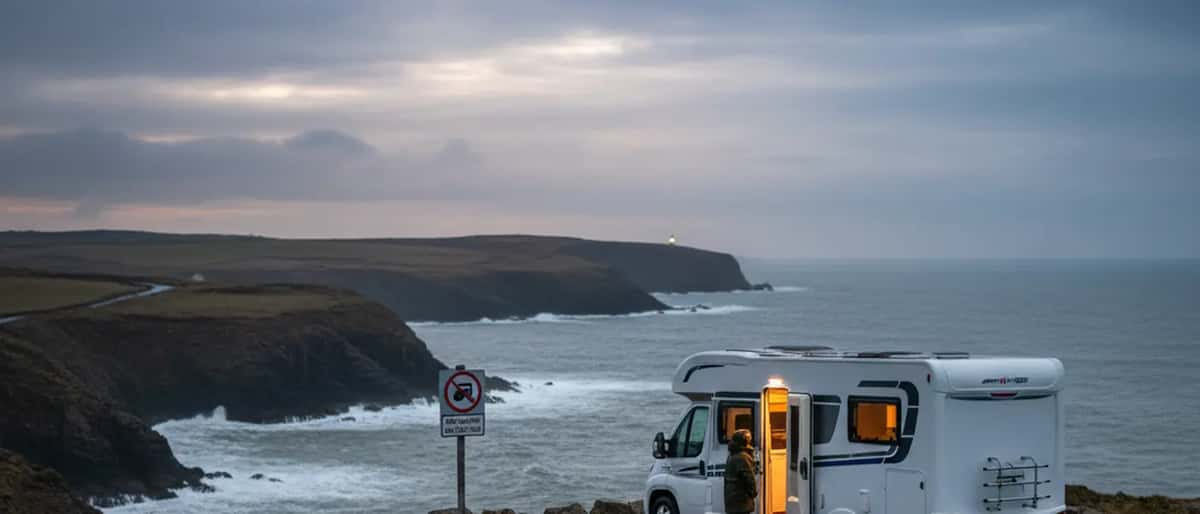
North Yorkshire Council is set to decide on 27 March 2026 whether to make its experimental overnight campervan parking ban permanent at Scarborough and Whitby — a decision that will affect thousands of motorhome owners and coastal communities across the UK.
What the ban covers and what's being decided
In November 2024, North Yorkshire Council introduced an Experimental Traffic Regulation Order (ETRO) banning motorhomes and campervans from parking between 11pm and 7am at North Bay in Scarborough and along the A174 near Sandsend, Whitby. A third site at Cayton Bay was included but enforcement proved impossible after signs were repeatedly vandalised — reportedly thrown over the cliff within hours of installation.
The ETRO was always temporary, designed to run for a maximum of 18 months before a permanent decision was required. That decision comes to the council executive on 27 March 2026. Councillors will vote on whether to make the ban permanent, extend the trial, or abandon it.
What makes this moment legally significant is that an ETRO can be challenged by the public during its experimental period. Once converted to a permanent Traffic Regulation Order (TRO), the challenge window narrows considerably.
Why the ban is controversial — and legally contested
The council's stated goal was to reduce anti-social behaviour, waste disposal problems, and pressure on residential streets near coastal hotspots. The evidence from the trial, however, suggests a different outcome.
Campervans have simply moved. Instead of parking at monitored sites with facilities, they have relocated to quiet residential streets, bringing exactly the problems the ban was meant to prevent: noise late at night, waste disposal issues, and tension between visitors and residents.
Several councillors have described the displacement effect as "making things worse, not better." Legal experts have noted that a blanket overnight ban that fails to provide adequate alternative facilities may face challenge under the Highways Act 1980 and Human Rights Act 1998 — specifically Article 8, regarding the right to a private and family life, which courts have interpreted to include the right to a "home" in a vehicle in certain circumstances.
What are your legal rights as a campervan owner?
If you own a motorhome or campervan and you park regularly in North Yorkshire, you need to understand the current legal landscape before the 27 March decision.
Under the current ETRO:
- Overnight parking (11pm–7am) is banned at specific named locations
- Enforcement can result in a fixed penalty notice or vehicle removal
- The ban applies regardless of whether you are sleeping in the vehicle
If the ban becomes a permanent TRO:
- You have the right to object during any public consultation period before a permanent order is made
- A solicitor specialising in traffic regulation law can advise whether the order was lawfully made, including whether adequate public notice was given and whether the council followed proper procedure
- If a TRO is made unlawfully, it can be challenged in the High Court within six weeks of publication
If you receive a penalty notice:
- You have the right to appeal the notice if there were procedural errors in how it was served
- You can request a formal review from the council, then appeal to an independent tribunal
- A solicitor can assess whether the enforcement was carried out correctly under the Road Traffic Regulation Act 1984
What the decision means for rural communities
Beyond individual campervan owners, this case raises broader questions about the rights of local residents, small businesses, and communities near tourist hotspots.
Residents near coastal parking areas have the right to peaceful enjoyment of their homes under planning law and common law nuisance principles. If motorhome displacement is causing demonstrable harm, they may have grounds to press the council for more effective measures.
Small businesses — campsites, service providers, coastal shops — also have interests in how public space is managed. A blanket ban without alternatives can reduce visitor spending, which in turn affects the economic sustainability of rural communities.
The National Farmers' Union has previously raised concerns about councils using broad traffic orders to address what are essentially social management problems. Legal advocates for rural access rights note that public road networks are, by definition, public — and restricting access requires clear statutory justification.
What to do if you are affected
Whether you are a campervan owner, a Scarborough resident, or a business owner along the Yorkshire coast, now is the time to understand your legal position.
Legal notice: This article provides general information only and does not constitute legal advice. Your rights in a specific situation depend on the precise facts. Always consult a qualified solicitor before taking legal action or making formal objections.
Before 27 March 2026, you can submit comments to North Yorkshire Council's consultation on the proposed permanent TRO. After the decision is made, a property and planning solicitor can advise on your options — including whether to formally object to or challenge the order.
On Expert Zoom, you can consult a solicitor specialising in property, planning, or traffic regulation law — online, with flexible appointment times.
The North Yorkshire campervan decision on 27 March is not just about parking spaces. It is about how councils balance the rights of visitors, residents, and communities — and whether the legal process has been followed correctly.
Sources: This is the Coast, GB News, North Yorkshire Council
