 Rebecca Taylor
Half of UK adults now actively try to reduce how much news they consume, according to the Reuters Institute Digital News Report 2026, published in June 2026. Globally, 42% of people say they avoid the news at least sometimes — a figure that has climbed from just 29% when measurement began in 2017. Behind the everyday habit of typing "what is the news today" into a search bar sits a growing question that psychologists are taking seriously: at what point does staying informed start to harm your wellbeing?
The report describes two distinct groups. "Consistent avoiders" have little interest in current events to begin with. But the more revealing group is the "selective avoiders" — engaged, informed people who deliberately insulate themselves from certain topics to protect their mental health. They still want to know what is happening. They have simply learned that an unfiltered, round-the-clock feed leaves them anxious, cynical or emotionally drained.
Why a simple question became a stressful one
Checking the news used to mean a morning paper or an evening bulletin. In 2026 it means an endless, algorithmically refreshed stream that updates on crises around the clock. The Reuters researchers point to three recurring reasons people give for pulling back: emotional fatigue, a sense of information overload, and frustration at perceived bias.
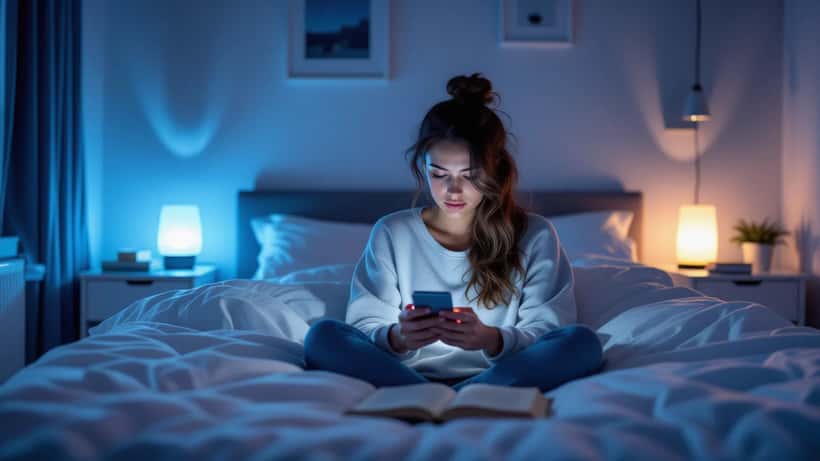
The mechanism is familiar to clinicians. "Doomscrolling" — the compulsive consumption of distressing headlines — keeps the brain's threat-response system switched on. Each alarming update delivers a small spike of stress hormones, and because the feed never ends, that spike never fully resolves. Over weeks and months, some people report poorer sleep, difficulty concentrating and a persistent low-level dread that follows them away from the screen.
Importantly, this is not the same as clinical anxiety, and most people who cut back are simply setting a healthy boundary. But for a minority, the pattern tips from habit into something that interferes with daily life — and that is the line worth watching.
The warning signs worth taking seriously
A short digital detox is normal. Health professionals suggest paying closer attention when news consumption starts producing symptoms that persist even when you are not reading. Signs commonly flagged include:
- Checking headlines compulsively, including during the night, and feeling unable to stop
- Physical symptoms such as a racing heart, tight chest or nausea when reading updates
- Sleep that is regularly disrupted by worry about events you cannot control
- Irritability, hopelessness or a sense of detachment that lingers for two weeks or more
- Avoiding work, friends or hobbies because news-related anxiety is crowding them out
One or two of these after a major event is understandable. Several of them, sustained over a fortnight, is the point at which the Reuters "selective avoider" strategy of simply reading less may no longer be enough on its own.
When to speak to a professional
This is where a habit becomes a health matter. A GP or a qualified mental-health professional can distinguish ordinary stress from an anxiety disorder that would benefit from treatment. The NHS advises seeking help if anxiety is affecting your daily life or causing you distress, and offers self-referral routes to talking therapies across the UK — you can find the official guidance and services on the NHS mental health pages. Support is free, and you do not need to wait for a crisis to use it.
A health consultation in these cases is rarely about the news itself. A professional will look at sleep, workload, existing anxiety triggers and coping strategies, and may recommend cognitive behavioural techniques that address the underlying response to uncertainty rather than the headlines that set it off. For many people, a few structured sessions are enough to rebuild a calmer relationship with information.
The wider culture of high-profile figures speaking openly about their own struggles has helped normalise this step. Public accounts such as Claire Foy's reflections on anxiety and creative burnout and Elizabeth Olsen's description of panic attacks have made it easier for others to recognise the same signals in themselves and to treat them as a reason to seek advice, not something to hide.
Practical steps that protect your wellbeing
You do not have to choose between being informed and being well. Psychologists and the patterns in the Reuters data point to a few adjustments that help most people:
- Set specific windows. Read the news once or twice a day at fixed times, rather than dipping in continuously. Bounded exposure gives the stress response a chance to settle.
- Turn off breaking-news push alerts. A notification is designed to interrupt; you can still choose to check on your own terms.
- Prefer explanatory formats over live feeds. A single considered summary tends to inform without the drip of alarm that a rolling feed delivers.
- Keep the phone out of the bedroom. Late-night scrolling is one of the strongest predictors of disrupted sleep.
- Notice the trend, not one bad day. If cutting back does not lift the fog after a couple of weeks, treat that as useful information and book an appointment.
The 2026 data makes one thing clear: reducing news intake is now mainstream behaviour, not a sign of weakness or apathy. For most people it is a sensible boundary. For a smaller group, it is an early warning that professional support would help — and reaching out to a health expert is the informed, not the anxious, response.
This article is for general information and is not a substitute for medical advice. If you are struggling with anxiety or your mental health, speak to your GP or a qualified professional.
