 Sophia Hamilton
Three men died on Saturday 20 June 2026 following a fire at a single-storey pavilion on New Zealand Way in White City, west London. Fifteen fire engines and around 100 firefighters responded to the blaze, bringing it under control by 9.25pm. The cause is now under joint investigation by the London Fire Brigade and the Metropolitan Police Service.
As the investigation begins, urgent questions arise about what legal protections exist for residents when fatal fires occur — and who bears responsibility under English law.
What Happened at New Zealand Way
The London Fire Brigade received the first of 19 emergency calls at 6.52pm on 20 June 2026. Crews from North Kensington, Acton, Chiswick, and surrounding stations were mobilised immediately. Firefighters rescued three men from the burning structure; two were declared dead at the scene, and a third was taken to hospital but later died.
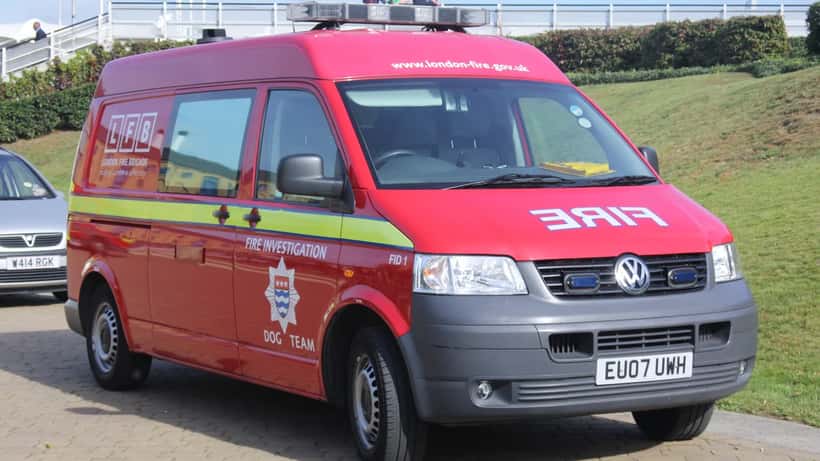
Just over half of the single-storey pavilion was damaged in the fire. The Brigade's specialist fire investigation officers are now working alongside the Metropolitan Police to establish the cause. No further details about the victims have been released.
The Legal Framework Governing Fire Safety in England
England's fire safety regime is built on three pillars: the Regulatory Reform (Fire Safety) Order 2005, the Fire Safety Act 2021, and the Building Safety Act 2022.
Under the 2005 Order, the "responsible person" — typically the freeholder, landlord, or managing agent — is legally required to take "such general fire precautions as may reasonably be required in the circumstances of the case to ensure that the premises are safe." This duty covers risk assessments, escape routes, fire detection systems, and staff training.
The Fire Safety Act 2021 extended these obligations significantly, clarifying that external walls, flat entrance doors, and the structure of a building must all be accounted for in fire risk assessments. From April 2026, new evacuation plan regulations came into force, requiring responsible persons to communicate emergency evacuation plans to all building occupants.
Detailed guidance on these obligations is published by the government on GOV.UK's fire safety legislation hub.
Who Is the "Responsible Person"?
In residential buildings, the responsible person is usually the freeholder or their managing agent. In community or commercial structures — such as a pavilion — it may be the operator, a local authority, or the landowner.
Failure to meet these legal duties carries serious consequences:
- Fines of up to £5,000 per breach for lower-level offences
- Unlimited fines where the safety of occupants is compromised
- Criminal prosecution and possible imprisonment if negligence leads to injury or death
When fatalities result from a fire and negligence is established, criminal proceedings become a real possibility — a pattern seen prominently in the aftermath of the Grenfell Tower tragedy.
What Happens Legally After a Fatal Fire?
When a fire results in deaths, several legal processes run in parallel.
Police and coroner investigation. The Metropolitan Police will assess whether criminal offences were committed. A coroner's inquest will follow, with a jury empanelled in cases of violent or unnatural death. Inquests can produce "prevention of future deaths" reports directed at relevant authorities.
Fire authority enforcement. The London Fire Brigade has enforcement powers under the Fire Safety Order. It can issue Enforcement Notices, Prohibition Notices closing unsafe premises immediately, and Alterations Notices requiring structural changes. Failure to comply with any notice is itself a criminal offence.
Civil litigation. Families of victims, or those who survived with injuries, may pursue civil claims for negligence. A successful claim requires establishing that a duty of care was owed, that it was breached, and that the breach caused the loss. In fatal cases, claims may be brought under the Fatal Accidents Act 1976 and the Law Reform (Miscellaneous Provisions) Act 1934.
Five Legal Rights Every Resident Should Know
1. The right to see the fire risk assessment. Under the Fire Safety Order, residents in buildings with two or more dwellings are entitled to access the fire risk assessment relevant to their building. If the responsible person refuses to provide it, they are in breach of the law.
2. The right to a clear means of escape. All occupied buildings must maintain adequate escape routes at all times. Blocking a fire exit — even temporarily — is a criminal offence under the Order.
3. The right to working fire detection. Landlords must ensure smoke alarms are installed on every storey and that carbon monoxide alarms are present in rooms with combustion appliances. Both must be in working order at the start of each tenancy and maintained thereafter.
4. The right to know your evacuation plan. From April 2026, responsible persons must give all building occupants access to the building's emergency evacuation plan in writing. If you have never received this document, you can formally request it from your landlord or raise the matter directly with your local fire authority.
5. The right to emergency housing. If a fire renders your home uninhabitable, your local council has a duty under the Housing Act 1996 to assess your needs and provide emergency accommodation if you are unintentionally homeless as a result of the fire.
When Should You Consult a Solicitor?
If you are a survivor of a fire, a family member of someone killed in a fire, or a resident who believes your building's fire safety provisions are inadequate, seeking legal advice early can make a significant difference.
Time limits apply to civil claims — typically three years from the date of injury or death under the Limitation Act 1980. Evidence is often time-sensitive, and a specialist solicitor can advise on gathering documentation, engaging with insurer processes, and navigating coroner proceedings.
ExpertZoom connects you with verified solicitors who specialise in fire safety law, housing rights, and personal injury claims. A short consultation can clarify what options are open to you and what steps to take next.
Legal disclaimer: This article provides general information only and does not constitute legal advice. If you have been affected by a fire or a fire safety issue, please seek personalised advice from a qualified solicitor.
