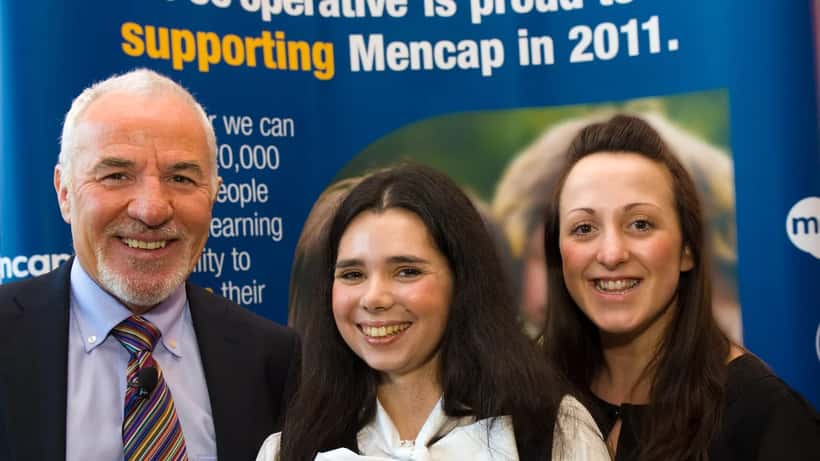
 Grace Davies
Natalie Cassidy, who played Sonia Fowler in EastEnders for 32 years before leaving the soap in April 2025, is back on British screens with a very different mission. Her eight-part BBC documentary series, Natalie Cassidy: Caring Together, premiered on BBC One on 25 May 2026, following the actress as she trains for an NVQ qualification in health and social care — with real placements in a paediatric diabetes clinic, a Royal British Legion care home, and a veterans' rehabilitation centre.
The series sits at the heart of the BBC's national "Caring Matters" week (23–30 May 2026), but the questions it raises are relevant to millions of British families every day of the year.
Why Cassidy Left EastEnders for a Care Certificate
Cassidy has been open about the personal grief behind the project. Her late father, Charles Cassidy, inspired her to explore social care after she witnessed first-hand the demands — and the limits — of caring for a parent. After leaving Walford, she returned to the classroom for the first time since leaving school at 16, studying dementia, autism, first aid, and safeguarding as part of her Level 3 BTEC in health and social care.
Her frontline placements included working alongside specialist nurse Phoebe Holden at The Princess Alexandra Hospital NHS Trust in Harlow, visiting Galanos House Care Home in Warwickshire, and training at Battle Back Centre in Shropshire, a rehabilitation facility for Armed Forces veterans. The documentary — an Open University and BBC co-production — deliberately chose settings that represent the wide spectrum of care needs across the UK.
The Scale of Unpaid Caring in Britain
The timing of Caring Together reflects a quietly growing crisis. According to Carers UK, approximately 7.7 million people in the UK provide unpaid care for a family member or friend — roughly one in eight adults. That number has risen significantly since 2020. Most have received no formal training and many do not know where the boundary lies between what they can safely manage at home and when a health professional's input becomes essential.
That boundary matters. Natalie Cassidy's documentary makes clear that professional carers — even at NVQ level — operate within structured frameworks: safeguarding protocols, medical knowledge, regulated medication management. Family carers, no matter how devoted, are often navigating those same situations without the same preparation.
Five Signs Your Loved One Needs a Health Professional, Not Just Family Support
Health professionals working in social care consistently identify the following as indicators that a family member requires formal assessment rather than informal home support alone:
Repeated falls or significant balance changes — A single fall can happen to anyone. Two or more falls within a short period, or a noticeable decline in steadiness, usually signals an underlying condition — whether cardiovascular, neurological or musculoskeletal — that requires a GP review and potentially specialist input.
Memory problems affecting daily function — Forgetting names occasionally is normal at any age. Forgetting how to boil a kettle, use a phone, or navigate a familiar route are different matters, and warrant a formal cognitive assessment rather than quiet management at home.
Unexplained weight loss or poor nutrition — Difficulty preparing food, forgetting mealtimes, or loss of appetite are red flags for conditions ranging from depression and dementia to undiagnosed physical illness.
Medication errors — If the person you care for is missing doses, doubling up, or becoming confused about their prescription routine, a structured medication review by their GP or pharmacist is urgent. Medication mismanagement is a leading cause of preventable hospital admissions among older adults in the UK.
Deteriorating personal hygiene — A persistent inability or reluctance to maintain personal care routines is often an early indicator of depression, mobility problems, or cognitive decline, and should be discussed with a GP rather than handled solely by family members.
If you recognise any of these signs in someone you care for, speaking with a health specialist who can assess the specific situation and advise on next steps is one of the most effective actions you can take.
Carer Burnout: The Health Risk No One Talks About
Caring Together also brings visibility to something healthcare professionals encounter regularly: the physical and emotional toll on the carer themselves. Carer burnout is a state of chronic exhaustion — physical, emotional, and mental — that develops when unpaid carers do not receive adequate support or rest.
Common symptoms include persistent fatigue that does not improve with sleep, social withdrawal, a sense of hopelessness or resentment, and the feeling that caring has displaced all other aspects of a person's life. According to the NHS, carers who are struggling have a legal right to a carer's assessment — a formal review conducted by their local authority — that can unlock respite care, counselling, and health services.
Crucially, a carer's own health directly affects the quality of care they provide. Seeking help early is both in the carer's interest and in the interest of the person they support.
What to Do Next: Practical Steps for Carers in 2026
Health and social care professionals recommend the following actions for anyone currently providing unpaid care:
- Request a needs assessment for your loved one through your local council — this is a legal right under the Care Act 2014.
- Request a carer's assessment for yourself through your GP surgery or local authority.
- Register as a carer with your GP, which often unlocks priority appointments, flu vaccinations, and wellbeing check-ups.
- If managing complex health conditions — diabetes, dementia, post-operative recovery — consider a consultation with a specialist rather than relying on general information.
Natalie Cassidy's documentary has done something valuable: it has put the realities of caring — the hard work, the emotional weight, and the limits of what an untrained family member can reasonably manage — on primetime television. For the millions of carers watching at home, the most important lesson may be the simplest: knowing when to ask a professional is not a sign of failure. It is what good care looks like.
This article is for informational purposes only and does not constitute medical or social care advice. Consult a qualified health professional for guidance specific to your situation.
