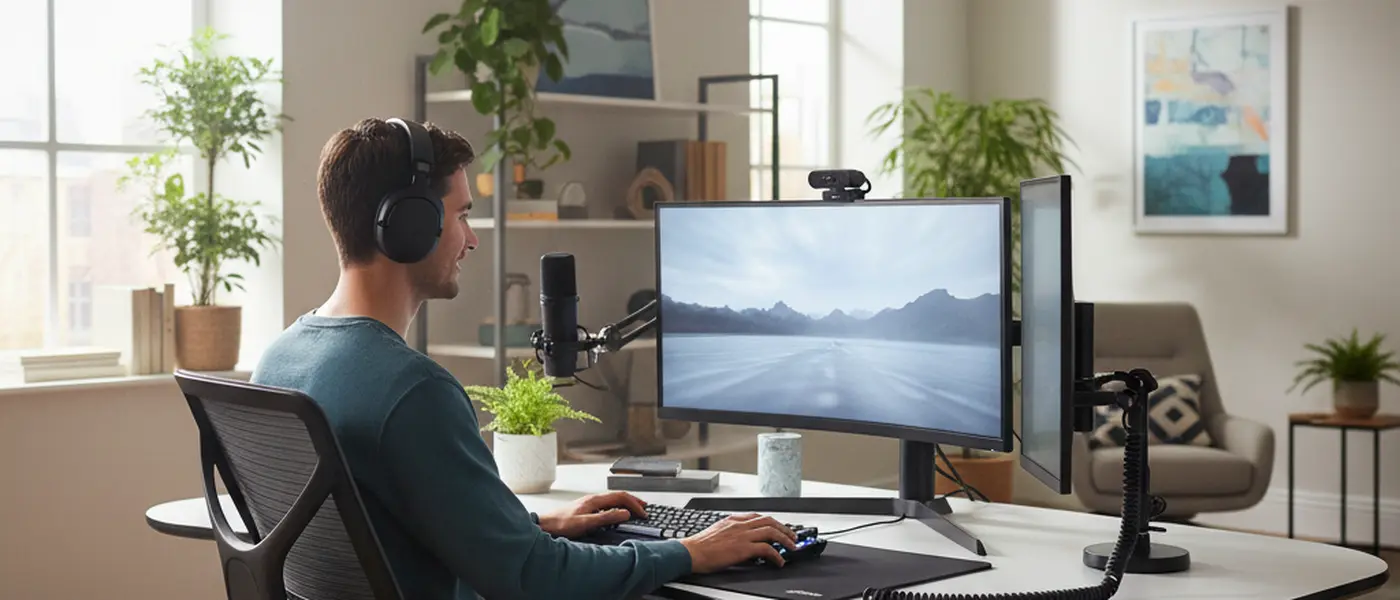
Marvel Rivals, the superhero team-based shooter from NetEase Games, has become one of the biggest gaming phenomenons of early 2026 — racking up over 1,000 concurrent players in the UK on Steam charts and trending consistently on search engines throughout March. Players are logging multi-hour sessions daily to climb the competitive ranked ladder. But as screens multiply and session times stretch past midnight, UK health specialists are seeing a predictable uptick in gaming-related health complaints — from eye strain to repetitive strain injuries and disrupted sleep. Here's what doctors and IT health experts say you should watch for.
Why Marvel Rivals is different from casual gaming
Marvel Rivals is designed to be played in intense 15–25 minute matches, but the competitive ranking system pushes players into "just one more game" loops that can stretch sessions to three, four, or even six hours. Unlike more relaxed titles, the fast-paced, high-reaction-time gameplay requires sustained focus, precise mouse or controller movements, and unbroken visual attention to a brightly lit screen.
This combination creates a perfect storm for several health conditions that UK GPs and physiotherapists are increasingly familiar with in 2026.
The health risks doctors are seeing
1. Digital Eye Strain (Computer Vision Syndrome)
The UK's NHS reports that digital eye strain affects around 60% of regular screen users. Symptoms include dry eyes, blurred vision, headaches, and difficulty refocusing on distant objects. During fast-paced games like Marvel Rivals, players blink up to 60% less than normal — accelerating tear film evaporation and causing discomfort.
The fix isn't to stop gaming. The 20-20-20 rule is the starting point: every 20 minutes, look at something 20 feet away for 20 seconds. But if you experience persistent blurred vision, eye pain, or headaches that last after gaming, an optometrist or ophthalmologist should evaluate whether there's an underlying issue — including early-stage myopia progression, which is increasing in UK adults.
2. Repetitive Strain Injuries (RSI)
The precise, rapid-fire mouse movements required in competitive shooters place enormous repetitive stress on wrist tendons and the forearm. UK physiotherapists report seeing a new cohort of young adults in 2026 with symptoms of carpal tunnel syndrome and De Quervain's tenosynovitis — a painful inflammation of the tendons on the thumb side of the wrist.
These conditions don't appear overnight. They develop over weeks or months of high-intensity, low-variety repetitive movement. Early warning signs include:
- Tingling or numbness in the fingers, especially at night
- Weakness when gripping objects
- Pain that radiates up the forearm after sessions
- Clicking or catching sensation in the wrist
If you notice two or more of these symptoms over several days, a physiotherapist or GP should assess whether you need ergonomic intervention, rest, or treatment.
3. Posture-related back and neck pain
Most Marvel Rivals players play from a desk — but very few have an ergonomically correct setup. Leaning forward toward the screen, hunching shoulders, and keeping the neck craned downward for extended periods puts enormous cumulative stress on the cervical spine and upper back.
A 2024 study published in the British Journal of Sports Medicine found that adults who spend more than 6 hours daily in sedentary screen postures have a 47% higher risk of developing chronic lower back pain within 12 months compared to those spending under 3 hours.
Simple corrective measures — monitor at eye level, chair adjusted so feet are flat on the floor, arms at 90 degrees — can significantly reduce the risk. But for persistent pain (lasting more than 2 weeks), a physiotherapist can diagnose postural imbalances and prescribe targeted exercises.
4. Sleep disruption and gaming beyond midnight
Marvel Rivals' competitive ranked system refreshes seasonally, which pushes engaged players to grind late into the night. The blue light emitted by monitors suppresses melatonin production, delaying sleep onset. Combined with the adrenergic arousal from competitive play, this means players who stop at 1am may not actually feel sleepy until 3am.
Chronic sleep deprivation (under 7 hours per night) is linked to impaired immune function, increased cardiovascular risk, and — ironically — worse gaming performance due to reaction time degradation. The NHS Sleep Advice recommends avoiding screens for at least 1 hour before bed. For players finding it genuinely difficult to stop gaming despite wanting to, a GP or specialist in sleep medicine can assess whether there are underlying issues worth addressing.
When to see a doctor: a quick checklist
Consult a GP or specialist if you experience:
- Eye symptoms (pain, persistent blur, sensitivity to light) lasting more than 3–5 days
- Wrist, hand, or forearm pain or numbness that persists after stopping gaming
- Neck or back pain lasting more than 2 weeks
- Persistent difficulty sleeping even when you stop gaming early
On Expert Zoom, you can find qualified health specialists in the UK available for online consultations — including optometrists, physiotherapists, and GPs who can help assess gaming-related health concerns without needing to wait for an NHS appointment.
FAQ: Gaming and health in 2026
Is gaming itself harmful? No. Gaming in moderation is associated with cognitive benefits including improved reaction time and spatial reasoning. The risks emerge primarily with excessive, unbroken session lengths combined with poor ergonomics and sleep habits.
How long is too long in one session? Most sports medicine and occupational health guidelines suggest no more than 2 consecutive hours of high-intensity screen activity without a proper break (standing up, moving, resting eyes).
Can children develop these issues too? Yes — children are at risk of the same conditions, and myopia progression related to near-work screen time is a particular concern for under-18s. Paediatric eye checks are recommended at least annually for regular gamers.
This article is for general informational purposes only and does not constitute medical advice. Consult a qualified healthcare professional for any personal health concerns.