 Sophie Robinson
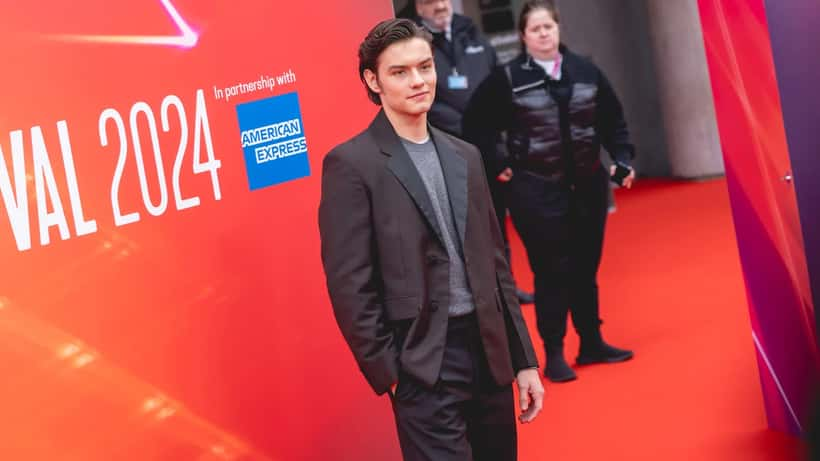
Louis Partridge — the 23-year-old British actor known for playing Sid Vicious in Pistol and Lord Tewkesbury in Enola Holmes — is reportedly in serious contention to become the next James Bond. According to Variety, Partridge is being considered for Amazon's 007 reboot directed by Denis Villeneuve and written by Steven Knight — and, crucially, he is "beyond simply being put on a bookmaker's list." If the deal materialises, he could commit to playing Bond across five or six films over the next 15 years. Entertainment lawyers say the moment rumours like these turn into contract negotiations is when expert legal guidance becomes priceless.
What Playing James Bond Really Means Contractually
Bond is not a standard acting engagement. It is one of the most complex entertainment agreements in the world, involving multiple parties: Amazon via MGM, Eon Productions as longtime franchise producers, and a web of licensing bodies covering merchandise, brand partnerships, digital likenesses, and international syndication rights across dozens of territories.
For a 23-year-old actor, the appeal of the role is obvious. But entertainment solicitors warn that franchise contracts of this magnitude — often running to hundreds of pages — contain clauses that can shape a career for decades. Signing without specialist legal counsel is, in their view, never an option.
A producer close to the production told Variety that "writing a film to be led by a 23-year-old is completely different to writing one for a 36-year-old" — a remark that underscores how unusual Partridge's potential candidacy is, and how much is at stake for both sides.
Image Rights: What UK Law Does and Doesn't Protect
Under UK law, unlike in certain US states, there is no automatic property right in a person's own likeness. This absence makes contractual protection more critical, not less. When an actor signs a major franchise deal, they typically agree to license their image — including photography, CGI likenesses, voice recordings, and social media presence — to the production company for the duration of the franchise and beyond.
According to the UK Government's guidance on intellectual property, these licensing terms determine who earns royalties from merchandise, video games, and brand tie-ins, sometimes long after filming has concluded. The James Bond franchise generates hundreds of millions of pounds in licensed merchandise every year. The difference between a well-negotiated image rights clause and a poorly drafted one can represent life-changing income — or its absence — over a decade or more.
As we explored in our coverage of Dua Lipa's £15 million Samsung intellectual property lawsuit, the question of who controls a celebrity's likeness in commercial campaigns has become one of the defining legal battlegrounds in the entertainment industry in 2026.
One frequently overlooked area in modern franchise deals is the digital likeness clause. As AI-generated performance tools become a genuine feature of film production, studios increasingly seek the right to use a digital version of a contracted actor in future projects without separate compensation. Any solicitor advising a young actor on a franchise deal today should ensure this provision is tightly restricted.
Long-Term Lock-In: Opportunity or Trap?
Franchise contracts almost always include option clauses — provisions giving the studio the right, but not the obligation, to cast the actor across subsequent films at pre-negotiated rates. While this provides income certainty, it can also restrict career flexibility for years at a stretch.
For Partridge specifically, committing in his mid-twenties means sustained scheduling constraints throughout his thirties. Entertainment lawyers advise scrutinising:
- Pay escalation clauses — whether fees increase meaningfully with each subsequent film
- Exclusivity windows — how long after principal photography other major brand deals remain restricted
- Exit provisions — the circumstances under which the actor could leave the franchise without financial penalty
- Force majeure and delay clauses — what happens to fees and obligations when productions are halted
Morality Clauses in a Social Media Age
Almost every major franchise agreement now includes a morality clause — a provision allowing the studio to terminate the contract if the actor's conduct, including on social media, is deemed to damage the franchise's reputation. These clauses have expanded significantly in scope in recent years, covering historic comments, personal relationships, and posts that surface at any point during the contract period.
For a 23-year-old entering one of the world's most publicly scrutinised roles, understanding exactly what constitutes a breach — and what does not — is essential before any ink is put to paper. An experienced entertainment solicitor will negotiate the definitions carefully, seeking cure periods and narrow breach definitions that protect the actor's position without compromising the studio's legitimate interests.
What Any Actor Should Do Before Signing a Franchise Deal
The excitement of a career-defining role can create pressure to act quickly. Entertainment lawyers are unanimous: slow down. Before committing to any major long-term contract, an actor — or any professional in a comparable situation — should:
- Instruct a specialist entertainment solicitor with franchise and IP experience in the UK market
- Appoint an independent financial adviser to structure image rights income, which may be most efficiently channelled through a personal service company for UK tax purposes
- Conduct a full IP audit of what is being licensed, for how long, and across which territories
- Negotiate digital likeness restrictions before contracts are finalised
- Understand morality clauses in granular detail, including the precise definition of breach and available remedies
The good news for Partridge is that, as of June 2026, no casting announcement has been made. That window — before the ink is dry — is precisely when expert legal and financial advice is most valuable.
Consult an Entertainment Lawyer Before You Sign
Louis Partridge's situation is extraordinary in its scale, but the underlying dynamic applies far more broadly. Young professionals across the UK regularly find themselves weighing exciting opportunities against contracts they do not fully understand. On ExpertZoom, you can speak directly with qualified entertainment solicitors and IP lawyers who can review your contracts, explain your rights, and help you negotiate terms that protect your interests for years to come.
As the UK Government notes, understanding your intellectual property rights before entering an agreement is always preferable to seeking remedies after the fact.
Disclaimer: This article is for informational purposes only and does not constitute legal advice. Always consult a qualified solicitor before entering any contractual or franchise agreement.
