 Amelia Davies
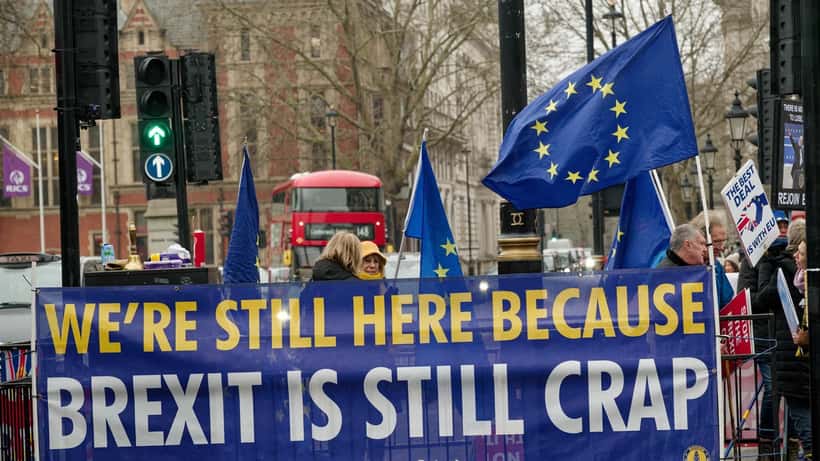
Two mass demonstrations are converging on London this Saturday, 16 May 2026, with police deploying 4,000 officers for what authorities describe as one of the busiest protest days in the capital in recent years. If you are planning to attend — or simply find yourself caught up in events — knowing your legal rights is not optional. It is essential.
What Is Happening on Saturday 16 May 2026
Two major marches are taking place simultaneously in central London:
The Nakba Day Rally, organised by a coalition including the Palestine Solidarity Campaign and Stop the War, is expected to draw around 30,000 participants. It will form at Exhibition Road in Kensington before heading through Brompton Road and Piccadilly to Waterloo Place.
The "Unite the Kingdom" Rally — publicly linked to Tommy Robinson — could see up to 50,000 attendees, though organisers face tighter movement restrictions, confined to the Whitehall and Parliament Square area.
The Metropolitan Police has deployed specialist resources including live facial recognition cameras, helicopters, drones, dog units, horse units, armoured vehicles, and dedicated arrest teams. A zero-tolerance approach has been announced for any disorder.
Your Right to Protest — And Its Legal Limits
The right to peaceful protest in the UK is protected under Articles 10 and 11 of the European Convention on Human Rights, incorporated into domestic law. These articles guarantee freedom of expression and freedom of assembly. However, these rights are not absolute.
Police can impose conditions on a protest — including restricting routes, timings, and numbers — if they reasonably believe it could cause "more than minor disruption to the life of the community." Under the Public Order Act 2023 and subsequent amendments, officers also gained significantly expanded powers to restrict or even pre-emptively ban demonstrations.
The Crime and Policing Bill currently before Parliament would add further restrictions: new offences for possessing pyrotechnics at protests, climbing war memorials, and concealing your identity. Expanded powers would also allow police to restrict demonstrations near places of worship, raising fresh concerns from civil liberties organisations including Amnesty International UK and Human Rights Watch.
If You Are Arrested at a Protest
This is where many demonstrators — including first-timers — make costly mistakes.
Police can only arrest you if they have reasonable grounds to believe you have committed an offence and that arrest is necessary. "Necessary" has a specific legal meaning: preventing harm, protecting victims, enabling a proper investigation, or ensuring you appear in court.
If arrested, you have the right to:
- Remain silent — you do not have to answer questions beyond confirming your name and address in certain circumstances
- Legal advice — free and independent, before being questioned; insist on this immediately
- Know the reason for arrest — police must tell you why you are being detained
- Have someone informed — a friend, family member, or solicitor can be notified of your detention
- Appropriate treatment — the Custody Officer must carry out a risk assessment
Do not resist arrest physically, even if you believe it is unlawful. Challenge it through legal channels afterwards, not on the street.
What Charges Are Protesters Facing in 2026?
Human Rights Watch documented a sharp increase in custodial sentences for protest-related offences during 2024–2025. Charges being brought against demonstrators at recent UK protests include:
- Section 14 Public Order Act (failing to comply with police conditions)
- Obstruction of a police officer
- Breach of the peace (wide discretionary power)
- Aggravated trespass
- Violent disorder (carries up to five years imprisonment)
The December 2025 government review of protest legislation, which reported in early 2026, flagged that existing laws risk being used to suppress lawful protest. Civil liberties groups argue enforcement remains inconsistent and disproportionate in some cases.
According to the House of Commons Library briefing on police powers at protests, the balance between public order and the right to peaceful assembly remains one of the most contested areas of UK law.
Practical Steps Before You Go
A solicitor specialising in civil liberties or criminal law would advise the following before attending any large demonstration:
- Write the duty solicitor number on your arm in marker (not on your phone, which may be seized): 0800 328 9023 (Green and Black Cross Protest Support)
- Do not bring illegal items — knives, drugs, pyrotechnics, or anything that could be construed as a weapon
- Know your bail conditions if you have any prior restrictions
- Document everything — video can be powerful evidence in your defence, but film police actions, not fellow protesters' faces
- Agree a meeting point with companions in case you are separated
If you are detained and later face charges, the early involvement of an experienced solicitor — ideally one with a track record in protest law — can be the difference between a caution and a criminal conviction.
For more on protester legal rights and related protest news in the UK, see our coverage on the Sharon Osbourne Tommy Robinson rally and the legal risks of attending political demonstrations.
When Should You Consult a Lawyer?
If you are arrested, cautioned, or receive any communication from police following a demonstration, seek independent legal advice as quickly as possible. Free advice is available through the duty solicitor scheme, but specialist civil liberties solicitors can provide more strategic support if charges are pursued.
A legal expert can assess whether your rights were observed during arrest, whether any evidence was lawfully obtained, and whether a charge is likely to proceed. Early advice dramatically improves outcomes.
At Expert Zoom, our network of vetted legal specialists includes solicitors experienced in protest law, civil liberties, and criminal defence across England and Wales. If you need to understand your position after Saturday's events, a quick consultation could clarify everything.
Disclaimer: This article provides general legal information only and does not constitute legal advice. If you face arrest or charges, consult a qualified solicitor immediately.
