 Charlotte Hughes
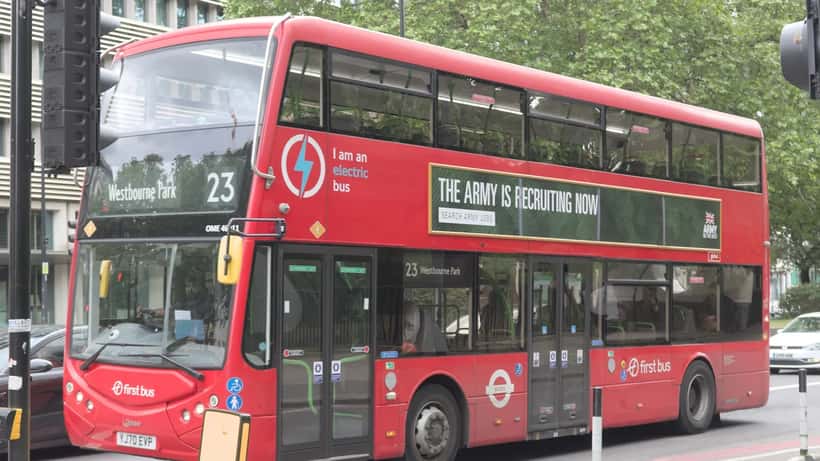
A red single-decker bus on TfL Route 70, operated by First Bus, ploughed into the front window of a three-storey townhouse on St Quintin Avenue, Notting Hill, on Thursday 2 July 2026 at 7pm. The vehicle mounted the kerb before striking the property and damaging two parked cars. While no serious injuries were reported, Kensington and Chelsea Council dispatched dangerous structure engineers to assess the building — and the homeowner now faces a pressing legal question: when a bus destroys part of your house, who pays?
What Happened on St Quintin Avenue
Metropolitan Police received the call at 19:02hrs. Officers arrived alongside London Ambulance Service crews and London Fire Brigade. The single-decker had veered off the carriageway, struck street furniture, and ploughed into the townhouse facade before stopping. Two vehicles parked on the street were also caught in the collision.
TfL confirmed it is working closely with First Bus, who have opened a formal investigation. The cause of the crash remains unknown. St Quintin Avenue was closed westbound between Highlever Road and North Pole Road, with the 7 and 70 bus routes placed on diversion. No arrests were made and no criminal offences were identified at this stage.
The incident drew significant attention online — Notting Hill's narrow residential streets have long raised questions about bus routes through the area.
Who Is Legally Liable When a Bus Hits Your Home?
In English law, the principle is straightforward: if a negligent act causes damage to your property, the party responsible — or their employer, under vicarious liability — must compensate you. A bus crash involving a commercial vehicle creates a layered question of liability.
First Bus, as the registered operator and the company whose employee was driving, holds the immediate duty of care. As the TfL franchise holder for Route 70, First Bus is the primary defendant in any civil property damage claim.
TfL may also bear a degree of secondary responsibility, particularly if the road design, kerb geometry, or bus stop infrastructure contributed to the vehicle's trajectory. This is for investigators to determine — but homeowners should not rule it out when pursuing a claim.
Your own buildings insurer is a third avenue. Most buildings insurance policies cover accidental damage caused by third-party vehicles. Crucially, you can claim on your own policy immediately and allow your insurer to pursue recovery from First Bus through subrogation, without waiting months for the operator's investigation to conclude.
The homeowner should not bear the cost of repairs, temporary accommodation, or consequential losses from a structural failure caused by someone else's vehicle.
What to Do in the First 24 Hours
The steps taken immediately after an incident like this are critical for protecting your legal position. According to guidance on road traffic accidents from GOV.UK, you are entitled to obtain the driver's details, the vehicle registration, and the operator's insurance information.
Document everything before the scene is cleared. Photograph the damage, the position of the vehicle, any skid marks, displaced street furniture, and the location of CCTV cameras in the area. Witnesses' contact details are equally valuable. The Notting Hill crash involved multiple responding agencies — their incident numbers and reports can be obtained later under formal requests.
Notify your buildings insurer without delay. Even if you intend to pursue First Bus directly, failing to notify your insurer promptly can complicate your policy coverage. Many insurers can arrange emergency boarding-up and structural assessment within hours.
Commission your own structural engineer's report. Kensington and Chelsea Council's dangerous structure engineers will assess the building in the public interest — but their report protects the council, not you. An independent structural engineer, instructed in your name, will document the damage in terms that support your compensation claim.
Do not accept any interim payment without legal advice. Bus operators' insurers often make early offers to contain costs. Accepting a payment without understanding its full implications — including whether it covers all consequential losses — can inadvertently cap your claim.
Claiming Compensation: The Civil Route
If negotiations with First Bus or their insurer fail to produce a fair settlement, you can pursue a claim through the County Court. Damage claims below £10,000 fall on the small claims track, accessible without a solicitor, though legal representation remains advisable given the complexity of identifying the correct defendant.
A three-storey townhouse in Notting Hill — where construction costs are among the highest in London — could face repair bills well into six figures depending on the extent of structural damage. Claims of this scale fall on the fast-track or multi-track and benefit significantly from professional legal representation.
The limitation period for property damage claims in England and Wales is six years from the date of the incident. While this may seem generous, evidence degrades and witnesses become harder to trace. Acting promptly is always in the claimant's interest.
For insight into how disputes between individual Londoners and large transport operators typically unfold, earlier cases involving TfL and its franchise operators — including this guide to London transport users' rights and delay compensation — show how quickly institutional operators can mobilise legal teams against unrepresented individuals.
What About the Two Damaged Cars?
Drivers of the vehicles damaged in Thursday's crash are in a similar position. Under English law, they can claim from their own comprehensive insurer and allow the insurer to recover from First Bus, or they can pursue the operator directly for uninsured losses: insurance excess, hire car costs, and loss of earnings while the vehicle is off the road.
The Motor Insurers' Bureau rules ensure coverage exists for accidents caused by insured commercial vehicles on public roads, but navigating the MIB process without guidance is time-consuming and frequently results in under-settlement.
TfL Bus Safety: A Systemic Question
Thursday's crash is not an isolated event on London's bus network. TfL's own safety statistics show hundreds of incidents involving London buses each year, a significant portion involving pedestrians and property.
Residents on narrower residential streets should review their buildings insurance annually to confirm that their sum insured reflects current rebuild costs — not the market value of the home. In Notting Hill, where Victorian terraces command rebuild values far exceeding comparable properties elsewhere in London, underinsurance is a significant and underappreciated risk.
When to See a Solicitor
This case illustrates why legal advice is most valuable at the outset — before positions have hardened, before evidence has been lost, and before any payment has been accepted. A property damage solicitor or civil litigator can:
- Identify all potentially liable parties (First Bus, TfL, the individual driver)
- Ensure no rights are inadvertently waived through interim settlements
- Commission independent expert reports in the homeowner's name
- Correspond with the operator's insurer on equal legal footing
If your home has been damaged by a vehicle — whether a bus, a lorry, or a car — ExpertZoom connects you with qualified solicitors specialising in property damage and third-party liability claims.
Legal disclaimer: This article is for general informational purposes only and does not constitute legal advice. Readers affected by the Notting Hill bus crash or a similar incident should seek independent legal advice tailored to their individual circumstances.
