 Amelia Ward
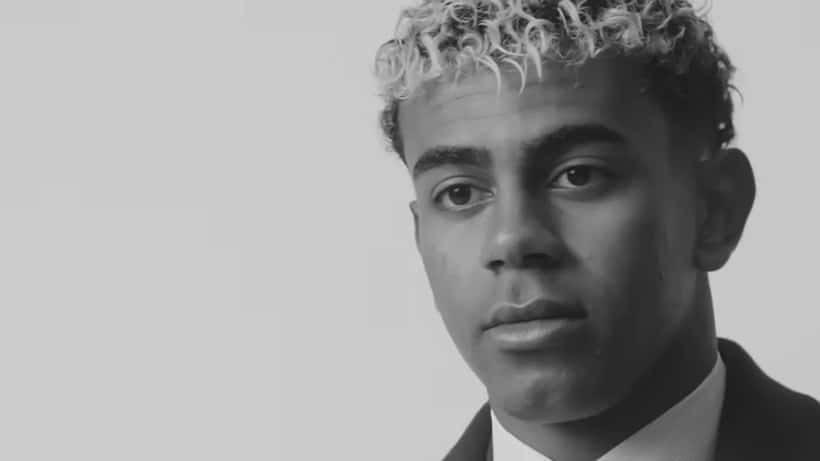
Barcelona's teenage sensation Lamine Yamal is making headlines again this week — but not for goals. At just 18 years old, the Spain international was left out of training early ahead of a La Liga fixture, and his coach Hansi Flick has publicly defended the teenager's emotional outbursts after being substituted. For UK parents watching their own children push through packed training schedules, Yamal's situation raises an urgent question doctors increasingly encounter: when does sporting ambition tip into burnout?
Why Lamine Yamal's Situation Has Parents Talking
Yamal has been extraordinary in 2025-26, registering 14 goals and 12 assists — numbers that place him among Europe's elite attacking players despite still being a teenager. Yet the pressure on players of his profile is immense, and signs of physical and emotional fatigue are now openly discussed by his own coaching staff. Flick's decision to rest him and defend his emotional reactions publicly signals an awareness that elite young athletes need careful management — not just on the pitch, but psychologically.
For the vast majority of young athletes in the UK, the stakes are far lower than a Champions League campaign. But the physiological and psychological pressures are structurally similar, and the warning signs are often missed until they become serious.
The Medical Reality of Youth Sports Burnout
Youth burnout is not a lifestyle complaint. It is a recognised medical concern with documented physical and psychological consequences. According to research published in the American Academy of Pediatrics, overuse injuries, overtraining, and burnout represent a growing crisis in youth sport. Around 70% of young athletes quit their sport by age 13 — and early specialisation is the single strongest predictor of burnout.
The core problem is physiological. Children and teenagers are not small adults. Their bones, tendons, and muscles are still maturing, which makes repetitive stress injuries far more likely than in fully developed adults. When a young athlete specialises in a single sport year-round — with an organised sport participation ratio exceeding 2:1 compared to free play — their injury risk increases significantly.
Beyond physical injury, the psychological toll is well documented:
- Increased anxiety and chronic stress — particularly in athletes facing performance targets they cannot control
- Sleep disruption — overtraining elevates cortisol and disrupts recovery sleep
- Social isolation — sport-obsessed schedules crowd out friendships, hobbies, and family time
- Academic decline — cognitive load from training fatigue carries into the classroom
Warning Signs UK Parents Should Not Dismiss
Many parents of driven young athletes describe the early signs of burnout as things they initially interpreted as attitude problems or laziness. Doctors who work with young athletes identify a cluster of warning signs that deserve medical attention:
Physical signals:
- Recurring joint or muscle pain that does not resolve with rest
- Persistent fatigue that sleep does not improve
- Frequent illness — a depressed immune system is a classic overtraining symptom
- Declining performance despite continued training
Psychological signals:
- Loss of enjoyment in a sport the child previously loved
- Irritability, mood changes, or emotional outbursts connected to sport
- Expressing a desire to quit with no clear external trigger
- Anxiety before training or competition that was not previously present
Hansi Flick publicly cited Yamal's emotional outbursts as the behaviour of a passionate, driven teenager — and defended him against criticism. That framing, while understandable, also illustrates how easy it is to misread burnout symptoms as personality traits rather than physiological signals.
What the Medical Evidence Recommends
The American Academy of Pediatrics, whose guidelines are widely referenced by UK sports medicine specialists, sets clear evidence-based thresholds:
- At least 1-2 full rest days per week from all sport-specific training and competition
- 2-3 months per year completely away from the primary sport, for both physical and psychological recovery
- Participation in multiple sports during childhood and early adolescence, rather than premature single-sport specialisation
- Maximum of 5 days per week in any single sporting activity
These are not conservative suggestions for elite academies — they are baseline recommendations for recreational young athletes. Many UK youth sport structures, particularly in football academies, push beyond these thresholds for players as young as 10 or 11.
When Parents Should Seek Medical Advice
The challenge for parents is distinguishing normal post-training fatigue from something that requires professional assessment. General guidance: if symptoms persist for more than two weeks, or if a child's emotional relationship with their sport shifts significantly, these are reasons to consult a GP or sports medicine specialist.
A doctor can assess whether physical symptoms have an underlying injury cause, evaluate whether training load is appropriate for the child's developmental stage, and — in more serious cases — refer to a paediatric sports medicine specialist or sports psychologist.
YMYL note: This article provides general health information only. If you have concerns about a child's health or training-related symptoms, please consult a qualified medical professional.
The Bigger Picture for UK Youth Sport
Lamine Yamal's situation is a high-profile illustration of a tension that plays out in youth football academies, tennis clubs, gymnastics gyms, and swimming pools across the UK every week. The drive to excel is not a problem — it is the fuel of sporting achievement. The problem is when that drive is channelled without adequate rest, recovery, and medical oversight.
UK parents often feel pressure to match the training intensity they believe other families are pursuing. A GP or sports medicine doctor can help reframe that pressure with an evidence-based conversation about what training loads are genuinely appropriate for a child's age, body, and developmental stage.
If your child is showing signs of fatigue, loss of enjoyment, or repeated physical complaints linked to training, speaking to a doctor is not overreaction — it is good parenting.
