 Eleanor Stone
Nestlé confirmed on 28 March 2026 that a truck carrying 413,793 KitKat bars — 12 tonnes of chocolate — was stolen while travelling from a factory in central Italy to Poland, leaving the vehicle and its entire contents unaccounted for. The timing, just weeks before Easter, has raised urgent questions about food supply chains and the legal risks consumers face if stolen goods reach shop shelves.
What Exactly Happened With the KitKat Shipment?
Nestlé's official statement, issued on 28 March 2026, confirms that the truck disappeared in transit somewhere in Europe. The cargo — described as a "new chocolate range" — represents a significant financial loss for the Swiss food giant. More importantly, Nestlé warned that the 413,793 units "could enter unofficial sales channels across European markets," raising the spectre of stolen chocolate appearing at discount markets, online auction sites, or even independent retailers.
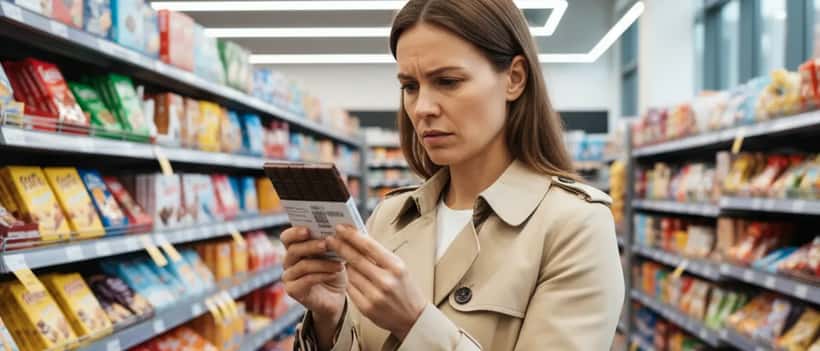
According to Nestlé's official press release, every stolen bar carries a unique batch code that allows consumers, retailers, and wholesalers to verify whether a product is part of the stolen consignment. The company has confirmed that scanning the on-pack batch number can identify stolen stock — a practical tool for buyers who want to stay on the right side of the law.
The Legal Risk for Ordinary Shoppers
Many UK consumers will read this story and assume it has nothing to do with them. But consumer and criminal law experts say otherwise.
In England and Wales, the Theft Act 1968 makes it a criminal offence to handle stolen goods — even if you bought them innocently and cheaply. While the burden of proving "knowledge or belief" that goods were stolen falls on the prosecution, buying discounted branded products from unverified sources could draw scrutiny if those goods later emerge as part of a known theft.
The practical question for consumers is straightforward: if you find heavily discounted KitKat bars at an unauthorised seller or on a marketplace platform in the coming weeks, you should pause before purchasing. Nestlé's batch code verification system means authorities could trace products back to the original theft. A consumer law solicitor can advise you if you find yourself in possession of goods that later prove to be stolen — or if you are the retailer who unknowingly stocked them.
Supply Chains, Cargo Theft and Business Liability
This incident highlights a growing problem in European logistics. Cargo theft is no longer limited to opportunistic lorry hijacks — organised criminal networks now target specific high-value shipments and plan thefts in advance. Food and consumer goods are particularly attractive because they are easy to sell quickly.
For small and medium-sized businesses in the UK — including independent supermarkets, convenience stores, and online resellers — this case is a reminder to scrutinise supply chains. Buying from authorised distributors is not just good commercial practice; it is a legal safeguard. A business that unknowingly buys stolen inventory from an unofficial wholesaler can face claims from the original owner under the Torts (Interference with Goods) Act 1977, as well as reputational damage.
Commercial solicitors advise businesses to maintain clear paper trails for every purchase — invoices, delivery documentation, and supplier verification. If an offer looks too good to be true, particularly for branded confectionery just before a major holiday, it probably is.
How to Check If Your KitKat is Legitimate
Nestlé's guidance is simple: scan the batch code on the packaging. The company has confirmed this will show whether your bars are part of the stolen consignment. As a shopper, you can also:
- Purchase only from major supermarkets or authorised retailers
- Be sceptical of unusually low prices on branded chocolate
- Report suspiciously priced stock to your local Trading Standards office
The UK's Trading Standards service investigates the sale of counterfeit and stolen goods, and consumers can report concerns via their local council.
What Happens Next?
Nestlé has stated that the incident will have no impact on supply or trade for the Easter period — so shoppers should not panic about a shortage. The priority is ensuring the stolen stock does not circulate through black market channels. Law enforcement agencies across multiple European countries have been alerted.
If the bars are found, the batch code system will be key to prosecution. This is a useful illustration of how modern food safety traceability tools — designed primarily for product recalls — also serve as powerful anti-theft and anti-fraud mechanisms.
For consumers and businesses alike, the lesson is the same: when buying branded products, verify the source. The five minutes it takes to check a supplier's legitimacy is far less costly than the legal consequences of handling stolen goods — even unknowingly.
Consumer law note: This article provides general information only and does not constitute legal advice. If you believe you may have purchased stolen goods, consult a solicitor.
