 Amelia Ward
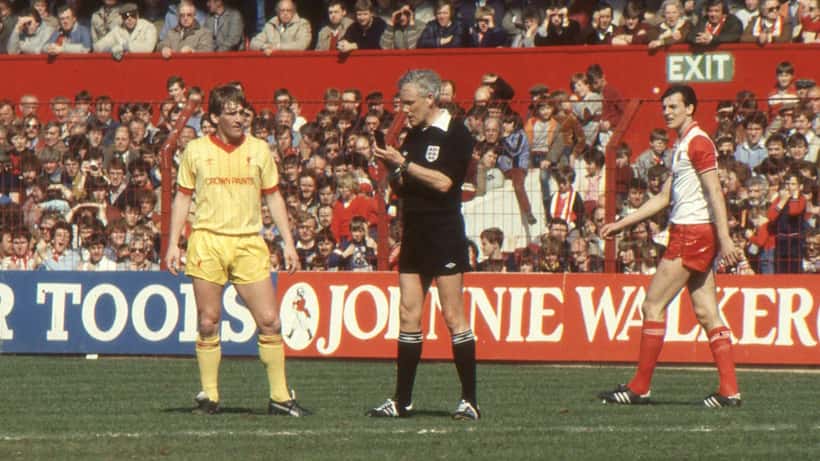
Sir Kenny Dalglish managed the Liverpool Legends team in their charity match against Borussia Dortmund at Anfield on 28 March 2026, alongside Jurgen Klopp as assistant. Watching one of football's greatest figures still actively engaged in the game is a reminder of the sport's power to inspire. But it also prompts a conversation that the football world has been having urgently for several years: what do the long-term health risks of professional football mean for those who played the game before modern medicine caught up?
Research published in recent years has shown that former professional footballers face significantly elevated health risks — particularly for dementia and other neurodegenerative diseases — that most players from Dalglish's era were never warned about.
The Research Is Clear: Former Footballers Face Higher Dementia Risk
A landmark study from the University of Glasgow School of Health and Wellbeing found that former professional footballers are 3.5 times more likely to die from dementia or neurodegenerative diseases than matched controls from the general population. The research examined death records and health outcomes for former players over decades, and the link to heading the ball — particularly the repeated low-level impacts from training and matches across a full professional career — is now firmly established.
Chronic Traumatic Encephalopathy (CTE), the progressive brain disease caused by repeated head trauma, has been identified post-mortem in former footballers, including several Premier League players. Alzheimer's disease, Parkinson's disease, and motor neurone disease all appear at higher rates in this population.
The risk is not uniform across playing positions. Goalkeepers, who head the ball least, show lower rates than outfield players. Defenders and centre-forwards — players like Dalglish, who used their head repeatedly throughout careers lasting a decade or more — face the highest statistical risk.
Cardiovascular and Musculoskeletal Risk After the Final Whistle
Dementia is not the only concern. Research from the United States examining former athletes in high-impact team sports has found cardiovascular disease kills at significantly higher rates than in the general population. Former players at average ages around 52 show elevated rates of hypertension (around 37%), high cholesterol (34%), and type 2 diabetes (9%).
Crucially, concussions compound the cardiovascular picture: each additional concussion sustained during a career correlates with a raised risk of hypertension in later life. This creates a troubling spiral — brain injuries increase heart disease risk, which in turn raises the overall mortality risk well beyond what any single factor would suggest in isolation.
Joint problems are pervasive. Cruciate ligament injuries, osteoarthritis of the knee and hip, and chronic musculoskeletal pain are near-universal among former professionals of Dalglish's generation, who played without today's recovery technology, biomechanical analysis, or carefully managed training loads.
What the FA Has Done — and What It Hasn't
According to NHS England, the link between professional-level football and dementia risk is now medically recognised. The Football Association introduced revised heading guidelines that ban heading instruction for children under 11, and limit higher-force headers in training to a maximum of ten per week for players under 18. These guidelines apply across professional academies and grassroots football.
What the FA has not done — and what many campaigners argue it should — is ban heading in competitive matches for younger age groups. The restriction currently applies only to training. In competitive fixtures, heading remains unrestricted at all ages.
The FA has funded a specialist brain health clinic at the Institute of Sport, Exercise and Health (ISEH) at Imperial College London, providing neurological assessment services for former professional players. But access to proactive screening remains limited, and many former semi-professional and amateur players fall outside the remit of structured support programmes.
How Sports Medicine Doctors Help Former Athletes
For former footballers and indeed any adult who played contact sport at a serious level, sports medicine offers a structured pathway to identifying and managing long-term health risks before they become emergencies.
A GP referral or self-referral to a sports medicine specialist can open access to:
Neurological screening. Baseline cognitive assessments track brain function over time. For those with a history of repeated head impacts, early monitoring is the most effective tool available to detect change before symptoms become disabling. Early intervention — lifestyle modification, cardiovascular risk reduction, specialist follow-up — cannot reverse existing damage but can slow progression and improve quality of life.
Cardiovascular assessment. Resting ECG, ambulatory blood pressure monitoring, cholesterol panel, and diabetes screening identify risk factors that athletes often assume they are immune to. The mistaken belief that a sporting background provides permanent cardiovascular protection is medically dangerous.
Musculoskeletal review. Chronic joint pain, mobility restrictions, and post-operative complications from old injuries are common among former athletes. A sports medicine doctor can refer for imaging, physio-led rehabilitation, or orthopaedic review based on current function and symptoms, not assumptions made at the end of someone's playing career.
Mental health support. Depression and anxiety are significantly more prevalent in former professional athletes than in the general population, particularly in the years immediately after retirement. The transition from a high-stimulus career identity to civilian life creates genuine psychological risk that GPs not trained in sports medicine sometimes miss.
What Former Players and Their Families Should Do Now
If you or a family member played football or another contact sport at a serious level — professional, semi-professional, or high-level amateur — there are practical steps worth taking now:
Do not assume symptoms are normal ageing. Cognitive changes, mood shifts, persistent headaches, and coordination difficulties can all be early signs of neurological change. These deserve specialist assessment, not reassurance that "it's just getting older."
Ask your GP to refer you to a sports medicine specialist or neurologist. If the GP is unfamiliar with the research on former athlete health, you can cite the University of Glasgow study and the NHS England guidance on football and dementia.
Contact the Football Association's former player support services. The FA and the Professional Footballers' Association (PFA) both have welfare programmes that include health referrals for former professional players.
Consider early cognitive baseline testing. The earlier a baseline is established, the more useful future comparisons become. This is standard practice in some elite club programmes and is increasingly available through private sports medicine clinics across the UK.
Sir Kenny Dalglish's visible engagement with the game at Anfield in March 2026 is a joyful sight. But for thousands of less celebrated former players, the health story of their generation is still unfolding — and the best time to act on it is now.
Medical disclaimer: This article provides general health information for educational purposes. It does not constitute medical advice. For symptoms or health concerns, consult your GP or a qualified sports medicine specialist.
