 Amelia Ward
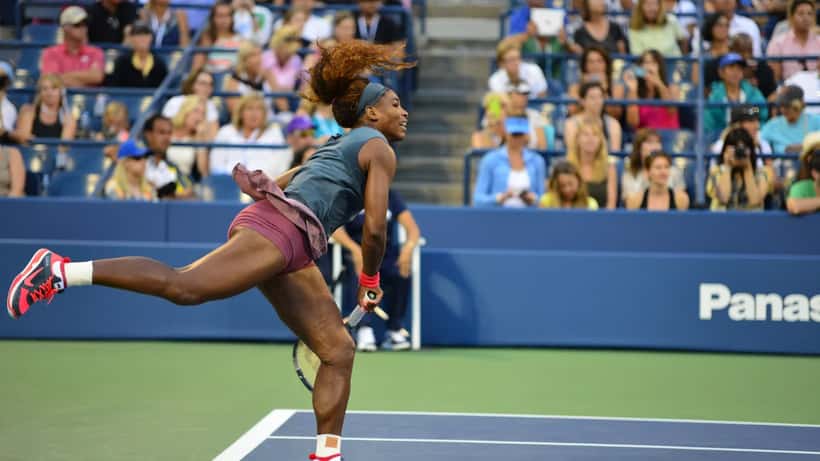
John McEnroe says he is "semi-shocked" by Serena Williams' decision to return to professional tennis at the age of 44 — and he is not alone. The 23-time Grand Slam champion stepped away from competition in September 2022 following the birth of her first daughter. Now, nearly four years later and after a second child, Williams has entered Wimbledon 2026, chasing a record-equalling eighth title at the All England Club. But beyond the sporting spectacle, her comeback raises a question that matters to millions of women across the UK: what does returning to elite physical activity after pregnancy — particularly in your forties — really mean for your health?
A Comeback Four Years in the Making
Williams last competed professionally at the 2022 US Open, announcing her "evolution away from tennis" shortly before. Her first daughter, Olympia, was five at the time. Since then, she gave birth to a second daughter, Adira, in 2023. Her return to the professional tour has sent shockwaves through tennis. Speaking on NBC — where her Wimbledon appearances drove viewing figures 50% above the previous year — McEnroe described the sheer scale of the undertaking. "She comes in with a purpose and thinks she can go well or go deep or go all the way," he said. "She's the GOAT — one of the greatest athletes, man or woman, that's ever played a sport."
Former British No. 1 Greg Rusedski has been more sceptical, publicly questioning whether Williams can realistically challenge the world's top seeds after nearly four years away. The gap in match sharpness, fitness, and competitive rhythm is enormous. Yet the 44-year-old has clearly made her own calculation: she believes she can compete, and she intends to prove it at SW19. While many players at a similar career stage have stepped back from the sport permanently — as the financial realities of tennis retirement so often demonstrate — Williams is defying that expectation entirely.
The Health Science Behind Returning to Sport After Pregnancy
The science of postnatal return to sport has advanced considerably in recent years. For the general population, NHS guidance on exercise after pregnancy recommends a minimum of 12 weeks before resuming high-impact activity after childbirth — and often considerably longer for elite athletes who place extreme demands on the pelvic floor, joints, and connective tissue.
For women who give birth in their late thirties or early forties — referred to clinically as advanced maternal age — the recovery process is frequently more complex. The decline in oestrogen that begins during the perimenopausal transition affects ligament laxity, bone density, and muscle repair. The NHS notes that women over 40 face elevated risk of diastasis recti (abdominal muscle separation) and pelvic floor dysfunction following childbirth — conditions that require targeted physiotherapy before returning to demanding sport.
Williams gave birth to her second child at 41. Returning to professional competition at 44, three years later, means her body has navigated pregnancy, childbirth, postpartum recovery, and the early stages of midlife hormonal change — all while preparing for one of the most physically demanding tournaments in sport. Sports medicine specialists describe this combination as one of the most challenging returns to elite competition ever attempted.
Age 44 and Elite Tennis: What the Body Faces
Professional tennis is particularly unsparing on the ageing body. A Wimbledon match demands explosive lateral movement, repetitive high-velocity serving, rapid direction changes, and sustained mental focus under pressure. At elite level, these demands typically peak in a player's late twenties and early thirties.
Beyond the musculoskeletal load, the cardiovascular dimension is significant. Heart rate during a high-intensity match regularly reaches 85–90% of maximum capacity. For a 44-year-old returning after four years away, the adaptation period required to rebuild aerobic base and sport-specific fitness is substantial.
Research from the British Journal of Sports Medicine has found that the return-to-sport timeline for elite athletes following childbirth varies widely, depending on the type of birth, the individual's fitness baseline, and the specific physical demands of their discipline. For court sports involving explosive movement, the recommended timeline often extends beyond 12 months post-delivery.
That Williams is attempting Wimbledon at 44, after two children and a near-four-year absence, is extraordinary by any clinical standard — which may explain why even McEnroe described himself as "semi-shocked."
Listening to Your Body: When to Seek Professional Advice
Serena's story is extreme. But the questions it raises are shared by thousands of women across the UK returning to physical activity after pregnancy — whether that means getting back to the gym, resuming running, or picking up a sport they loved before having children.
Common signs that professional advice is warranted include:
- Persistent pelvic pain or pressure during or after exercise
- Urinary leakage during activity — which affects up to one in three women after birth
- Lower back pain that has not resolved within six to eight weeks
- Any heaviness or bulging sensation in the pelvic area, which may indicate prolapse
- Significant fatigue that does not improve with rest, even months after delivery
A qualified health professional — including a women's health physiotherapist or a sports medicine doctor — can assess pelvic floor function, abdominal separation, and readiness for specific activities. The UK charity Pelvic Obstetric and Gynaecological Physiotherapy (POGP) recommends that all women have at least one postnatal physiotherapy review before returning to high-impact exercise. This recommendation is endorsed by Sport England's return-to-running framework.
Many women access these services through the NHS, though waiting times vary. Private practitioners offer faster assessment and tailored return-to-sport programmes. An ExpertZoom health specialist can help identify the right professional for your needs and circumstances.
What Serena's Story Tells the Rest of Us
Whatever Serena Williams achieves at Wimbledon 2026, her comeback has already changed something: it has reframed what recovery from childbirth and midlife physical change can look like. For millions of women who were told they were "past it" after forty, or that their bodies could not cope with demanding sport after having children, Williams is writing a different story.
The lesson from sports medicine is clear. Successful return to exercise after pregnancy depends not on willpower alone, but on proper assessment, appropriate progression, and the right professional support. Williams has had access to the world's leading physiotherapists, sports doctors, and strength coaches throughout her preparation. For most UK women, the starting point is simpler: a consultation with a health professional who understands postnatal and midlife women's health.
If you are returning to exercise after having a child — at any age — professional guidance is not a luxury. It is how you protect your long-term health and your ability to keep moving for decades to come.
Important: This article is for informational purposes only and does not constitute medical advice. If you have concerns about your health or fitness following pregnancy, please consult a qualified healthcare professional.
