 John Green
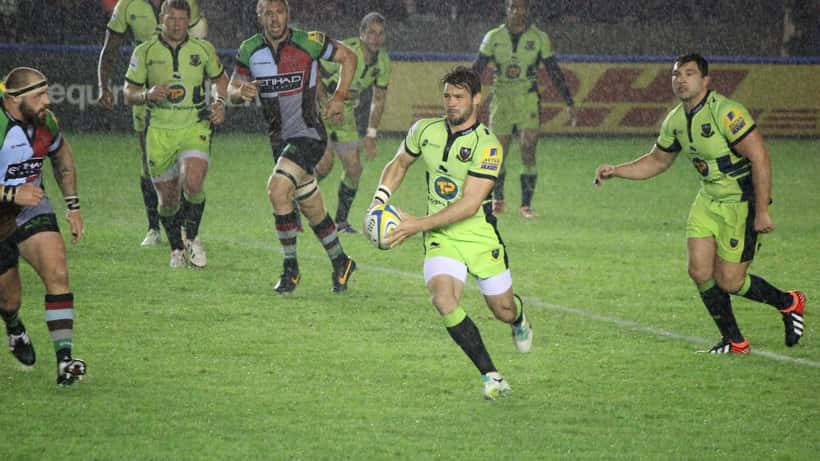
On 5 August 2026, the BBC confirmed what rugby fans had quietly suspected: Joe Marler, the 36-year-old former Harlequins and England prop, will become the first Celebrity Gladiator in the show's revived history. Competing under his arena name "Mauler" and with his mohawk dyed red for the announcement, Marler will film Series 4 in Sheffield ahead of a 2027 broadcast. But behind the spectacle of a former international athlete facing civilian challengers in prime time, his move raises a question that wealth managers across the UK are increasingly fielding: what does your financial life actually look like when the sport stops paying you?
From the Pitch to the Studio: The Earnings Cliff Nobody Warns Athletes About
During his peak years at Harlequins, Joe Marler reportedly earned around £340,000 per season — a figure typical for a senior England international in the modern professional era. That income arrived as salaried employment: PAYE deductions, employer pension contributions, and the relative predictability of a 12-month contract. His retirement from professional rugby in November 2024 ended all of that.
Since leaving the pitch, Marler has built a media portfolio that includes podcasting (Things People Do with Tom Fordyce), reality television appearances on Celebrity Traitors and Celebrity Gogglebox, and now the Gladiators role. His estimated net worth in 2026 sits between £3.7 million and £5.7 million, according to multiple reports — but the structure of how he now earns income is fundamentally different, and more complex, than a club rugby contract ever was.
For most elite athletes, the transition from professional sport to self-employed media work arrives with little financial preparation. Clubs invest heavily in performance science and conditioning, but post-career financial literacy is rarely part of the programme. The result is a cohort of former professionals who are, by any measure, wealthy — and who frequently discover that the mechanics of managing self-employment income, irregular cash flows, and tax obligations are far more demanding than anything they encountered on a monthly salary.
The Tax Reality of Going Self-Employed
The most immediate consequence of the athlete-to-media switch involves National Insurance contributions. As a PAYE employee, an athlete's employer paid Class 1 NI on their behalf — 13.8% on earnings above the secondary threshold in 2026. As a self-employed media personality, that same individual pays Class 4 NI on profits: currently 9% on earnings between £12,570 and £50,270, and 2% above that. The employer's contribution disappears entirely; the individual absorbs the full cost.
For a media personality earning across multiple TV contracts and podcast sponsorships in a single tax year, the NI position alone shifts by tens of thousands of pounds. Factor in irregular payment timing — BBC appearance fees can land months after filming wraps, podcast ad revenue is invoiced quarterly — and cash flow planning becomes non-trivial. Many athletes transitioning to self-employment are caught off-guard by HMRC's payment on account system, which requires two advance payments per year based on the prior year's liability. In a first year of high media earnings, that can produce an unexpected January bill in Year 2 that runs to six figures.
BBC Appearance Fees: What the Numbers Tend to Look Like
BBC entertainment contracts for celebrity participants are rarely disclosed, but industry figures suggest that one-off celebrity entertainment slots typically range between £30,000 and £150,000, depending on the programme's budget, the individual's profile, and the duration of commitment. For a recurring or prominent role like Marler's Celebrity Gladiator position — which involves multiple filming days in Sheffield and ongoing BBC promotional obligations — terms are likely towards the upper end of that range.
What makes these deals complex is not the headline fee but the surrounding structure. Licences for the individual's image and likeness in BBC promotional material, social media appearance obligations, and exclusivity windows that restrict work for competing broadcasters during and after filming all carry financial value. For more on how TV appearance contracts affect celebrity participants' rights and income, see Celebrity Traitors 2026: What Reality TV Contestants Need to Know About Their Rights. Athletes moving into media often agree to these clauses without specialist review — a point that financial advisers and entertainment lawyers repeatedly raise with new clients.
What the Numbers Look Like in Practice: A Concrete Calculation
Take a composite case based on publicly available figures and typical industry structures — not Joe Marler's actual financial position, but the kind of profile a wealth manager encounters when advising a recently retired England international.
The athlete earned £340,000 per season for six years at a Premiership club, with the club contributing roughly 10% per season to a private pension scheme. They retire at 35 with a pension pot of approximately £420,000. In their first full year as a media personality — TV appearance fees, podcast sponsorship, brand partnerships — they earn £165,000. None of it is PAYE.
Here is what the 2026/27 tax position looks like under self-assessment:
- Income tax on £165,000: approximately £58,000 (applying the 20% basic rate, 40% higher rate, and 45% additional rate bands, with a frozen personal allowance of £12,570)
- Class 4 NI on £165,000 profit: approximately £6,200
- Total immediate liability: approximately £64,200
If the same individual were still on a £165,000 salary as an employed athlete, their employer would absorb NI on their behalf and PAYE would spread the tax across monthly payslips. Self-employed, they must set aside roughly 39p in every pound earned above £50,000 — and make two lump-sum payments per year under HMRC's payment on account system.
Now consider the pension impact. With no employer putting 10% into their pension, a £420,000 pot grows only through investment returns and any personal contributions the athlete chooses to make. The annual pension allowance in 2026 is £60,000. If this individual contributes £30,000 personally — roughly 18% of their media income — it reduces their taxable income to £135,000, cutting the income tax bill by around £12,000 at the higher rate. That brings the effective total liability down to approximately £52,000 — a meaningful saving that requires active planning to capture. According to HMRC's guidance on self-employed National Insurance rates, late or missed payments on account also attract interest charges, compounding the risk for anyone managing irregular media income without professional support.
The gap between the planned scenario (£52,000 liability with pension contribution) and the unplanned one (£64,200 with no contribution) is over £12,000 in a single tax year. Over a five-year media career, that difference compounds significantly.
Image Rights: The Asset Athletes Forget They Own
Beyond salary and tax, professional athletes in the UK often operate an image rights company — a corporate entity that licences commercial use of their name, likeness, and personal brand. During a playing career, this is frequently administered through the club's commercial infrastructure. After retirement, the athlete retains those rights but loses the support structure.
Joe Marler's "Mauler" persona — his BBC Gladiators name, the red mohawk, the arena branding — will generate commercial value through merchandise, promotional clips, and sponsorship tie-ins associated with the show. Without a clear image rights framework in place, that value either flows directly into personal income (taxed at up to 45%) or is negotiated away through poorly structured contracts. Wealth managers advising athletes in post-sport media careers consistently flag image rights company structures as one of the first things to review before signing any major broadcast deal.
The Questions Every Retiring Athlete Should Be Asking Right Now
Joe Marler's path — from Harlequins dressing room to Sheffield filming studio — is increasingly well-trodden as rugby and football players retire younger and pivot to entertainment, media, and business. The financial planning that makes that transition sustainable rarely makes headlines, but its absence does: athlete bankruptcy rates and post-career financial difficulty remain disproportionately high in professional sport.
Athletes considering or navigating a similar move should address four questions with a qualified professional before signing their first major media deal:
- What is my NI and income tax position in Year 1 of self-employment, and have I set aside enough for payments on account?
- Is my pension contribution rate adequate to replace what my employer was contributing during my playing career?
- Do I have an image rights structure appropriate for my current commercial activity, and is it correctly valued?
- Are there exclusivity or non-compete clauses in my current broadcast contracts that limit my earning options over the next 12 to 24 months?
A wealth management specialist with experience in the sport and media sector can model each of these scenarios and identify where tax efficiency, pension planning, and contract structure intersect. The first-ever Celebrity Gladiator may be heading to Sheffield — but the financial questions his transition raises are relevant to any professional athlete standing at the same crossroads. If you are navigating a similar career pivot, speaking with an expert through ExpertZoom can help you understand your full financial picture before HMRC's deadlines arrive.
This article addresses financial and tax matters. The information is general in nature and does not constitute personalised financial advice. Consult a qualified financial adviser for guidance specific to your circumstances.
