 Sophie Robinson
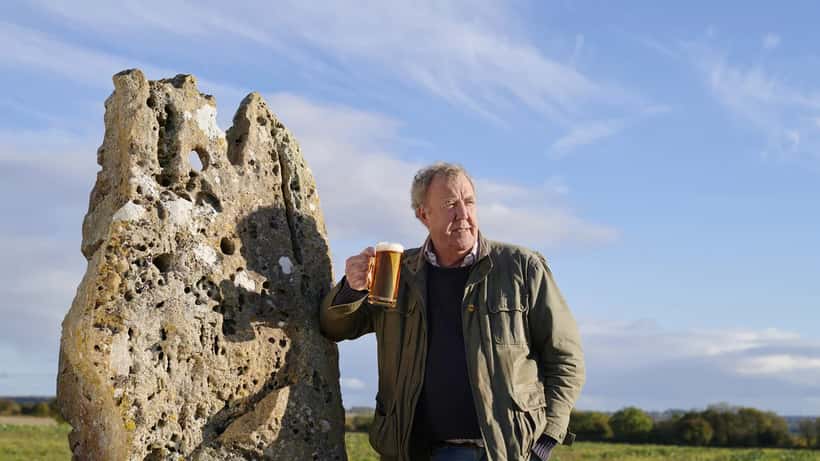
Jeremy Clarkson has filed a series of new trademark applications for his Diddly Squat Farm brand, adding "Diddly Dunkers" for sweet snacks, clothing and homeware to earlier applications covering pub brands including "The Farmer's Dog" and "Hops & Chops". With Clarkson's Farm Season 5 arriving on Amazon Prime Video on 3 June 2026 — and 25,000 farmers descending on Diddly Squat for Cereals 2026 on 10–11 June — the Oxfordshire farm's commercial profile has never been higher.
The trademark filings, made through Baobab Productions Limited, are a textbook example of a growing business protecting its intellectual property at scale. They also offer a timely lesson for the thousands of UK farm businesses, food producers, and rural entrepreneurs who have built recognisable brands without yet taking steps to legally secure them.
Why Trademarks Matter for Farm Businesses
A trademark grants its owner the exclusive right to use a name, logo, or slogan in connection with specific goods or services. Without registration, a business has some common law protections — but they are significantly harder and more expensive to enforce.
For farm businesses, the risk of unregistered brand names is real and growing. As rural tourism, farm shops, and direct-to-consumer food sales have expanded in the UK, so has brand imitation and trademark conflict. A competitor opening a shop with a similar name, or a supermarket launching a product under a look-alike brand, can cause significant commercial damage to a farm that has spent years building consumer recognition.
Clarkson's legal strategy is instructive. By filing separate trademarks across multiple categories — food products, beverages, clothing, homeware, hospitality services — the Diddly Squat brand is protected across the full commercial landscape it now occupies.
How to Register a Trade Mark in the UK
According to the UK government guidance on trade mark registration, any individual, business, or organisation can apply to register a trademark with the Intellectual Property Office (IPO). The process involves three key stages: searching existing marks, filing an application, and surviving an examination period during which third parties can oppose the application.
A successful UK trademark registration provides protection for ten years, renewable indefinitely. The cost of a basic application starts at £170 for one class of goods or services, rising with each additional class.
Before filing, businesses should:
- Conduct a clearance search — Check the IPO's online database and common law sources to identify existing marks that could prevent registration or lead to an opposition.
- Define your classes carefully — The Nice Classification system divides goods and services into 45 classes. Choosing the right classes is critical; filing in too few leaves gaps in protection, while filing in too many raises costs and may invite challenges.
- Consider the distinctiveness of your mark — Generic or descriptive terms are difficult to register. "Diddly Squat" works as a trademark partly because it is inherently distinctive — it has no descriptive connection to farm products, making it easier to defend.
- Watch the register after filing — Even a successful registration can be challenged if a third party files an opposition within the two-month examination window.
The Clarkson Planning Precedent
Jeremy Clarkson is no stranger to legal disputes over his farm. The history of Diddly Squat includes a prolonged planning battle with West Oxfordshire District Council over the operation of a farm shop — a dispute that eventually reached the Court of Appeal. Clarkson lost on appeal, with the council's enforcement notice upheld.
That case illustrates a broader truth for rural businesses: even where planning and trademark law seem remote from daily farm operations, they define what a business can legitimately do, sell, and call itself. A solicitor experienced in intellectual property and agricultural law can help rural businesses map these boundaries before problems arise — not after.
Brand Protection Beyond Trademarks
For growing farm businesses, trademark registration is often the first step in a broader intellectual property strategy. Other protections worth considering include:
- Registered designs — Protecting the appearance of packaging, logo shapes, and product designs
- Domain name protection — Registering relevant .co.uk and .com domains before competitors do
- Contractual protection — Ensuring that licensing agreements, supply contracts, and partnership deals include clear IP clauses
- Social media brand monitoring — Regular searches for infringing uses across platforms where agricultural and food brands are increasingly visible
The Diddly Dunkers application demonstrates that Clarkson's legal team is thinking several commercial steps ahead. For smaller farm businesses without in-house legal resource, a consultation with a solicitor specialising in intellectual property and rural business law can deliver the same strategic clarity.
When to Seek Legal Advice
The right time to protect a farm brand is before it becomes valuable enough to be worth copying. Once a business has built significant consumer recognition — think popular farm shops, social media followings, or distinctive product lines — the cost of a trademark dispute far exceeds the cost of registration.
ExpertZoom connects UK businesses and individuals with experienced Legal professionals, including solicitors specialising in intellectual property, trademark registration, and rural business law. Whether you are filing a first trademark or defending an existing mark, expert advice at the right stage can protect years of commercial effort.
This article is for general informational purposes only and does not constitute legal advice. Please consult a qualified solicitor for guidance specific to your situation.
