 Sophia Hamilton
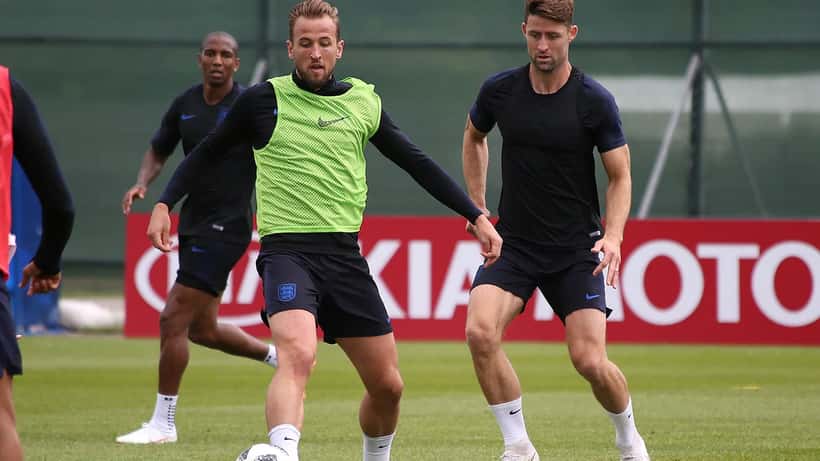
The moment Bayern Munich's squad list for their 2026 Asia pre-season tour appeared, one name was conspicuous by its absence: Harry Kane. England's captain and Bayern's record-breaking striker will not feature against Jeju United on 4 August 2026, nor in any other fixture on the Audi Summer Tour. The official explanation is straightforward — Kane played deep into the 2026 World Cup and the club agreed he needed rest. Behind that arrangement lies a legal framework that sports solicitors across the UK navigate every summer, and one that most professional footballers outside the elite tier have never had in place.
Bayern Land in South Korea Without Their Stars
Bayern Munich are in South Korea for the first-ever meeting between the German champions and Jeju United, a K League 1 club currently seventh in the domestic standings. The Audi Summer Tour is a significant commercial operation: broadcast rights, sponsor activations across Asian markets, and the goodwill that comes from fielding recognisable names all depend on the squad that travels. That commercial pressure is precisely where disputes between clubs and players begin.
Kane's exemption was negotiated in advance. He was not the only absentee — Michael Olise, Jamal Musiala, Alphonso Davies, and Dayot Upamecano also stayed home, each having competed deep into the 2026 World Cup or the Club World Cup cycle before the summer break. The touring squad includes Joshua Kimmich and Luis Díaz among its senior figures. Kane will rejoin the full group once the Asia trip concludes, ahead of the Bundesliga Super Cup against Borussia Dortmund. The arrangement worked. But only because it was agreed in writing long before the squad announcement.
What Sports Lawyers Actually Say About Pre-Season Tours
Under the Working Time Regulations 1998, UK workers are entitled to 5.6 weeks of statutory paid annual leave per year. For professional footballers, that entitlement collides with a sport that runs almost continuously, compressing the summer break into a window that international tournaments can reduce to almost nothing. When the World Cup runs until late July, players returning on the 20th may find their club's pre-season tour departs on the 28th.
Sports solicitors advising professional players in England and Wales consistently flag two contract provisions as non-negotiable in the modern game. The first is a post-tournament rest clause: a guaranteed minimum number of days off following any international competition in which the player participates, regardless of what the club has scheduled. The second is a pre-season tour disclosure requirement: an obligation on the club to confirm any planned commercial travel before the contract is signed, so the player agrees to those commitments in advance rather than having them imposed months later.
Without those clauses, a player's options become limited. Standard professional football contracts in the UK oblige players to attend all club activities as directed by management. A pre-season tour to South Korea qualifies as a club activity. Refusing without contractual protection exposes the player to disciplinary action, wage deductions, or in serious cases, legal action by the club.
FIFPro, the global players' union, launched legal proceedings against FIFA over the congested 2026 international calendar, arguing the schedule had become "unworkable" and exposed players to unacceptable injury risk. That action highlighted a gap that sports lawyers have flagged for several seasons: international governing bodies control the calendar, but the protections against its pressures must be negotiated individually, at club level, by each player and their agent.
Expert Reaction: When a Handshake Is Not Enough
Bayern's handling of Kane's situation was professionally managed on both sides. A rest period was agreed before the schedule was confirmed, a return date was communicated clearly, and the arrangement generated no dispute. That is the result of sound legal preparation on both sides — not a happy coincidence.
Many players, particularly those in the Championship, League One, or League Two, do not have equivalent contractual infrastructure. Their agents may not have negotiated explicit post-tournament rest provisions. They may not have reviewed the club's pre-season travel plans before signing. When a tour is added to the calendar in January and the player is informed in June that they are expected in South Korea in two weeks, the window for negotiation has already closed.
A sports solicitor becomes essential precisely in these moments. The most common trigger for seeking advice, according to practitioners in the field, is a club unilaterally adding a commercial trip to the pre-season schedule after the playing contract was signed — something that is technically permissible under most standard agreements unless explicitly restricted. Players who discover this only when the squad announcement appears have already missed their best opportunity to push back.
For context on how elite clubs approach physical recovery after high-intensity international campaigns, the intersection of scheduling and sports science is explored in Lee Kang-in's recovery data from World Cup 2026.
The Cost of Playing Injured: A Concrete Scenario
Consider a situation that applies to dozens of players this August. A Premier League midfielder played six of his national team's seven World Cup matches in 2026, accumulating approximately 540 minutes of competitive football over five weeks — across time zones and in significant heat. He returned to his club on 22 July 2026.
His club's pre-season tour to Asia — not listed in the contract signed in February 2025, but added to the squad schedule in December 2025 — departs on 31 July. That is nine days between completing an international tournament and boarding a 12-hour long-haul flight for commercial fixtures in front of 60,000 spectators.
If his contract contains a minimum 21-day post-tournament rest clause — now standard in agreements negotiated by agents representing top-flight internationals — the departure date falls within the protected period. His absence is non-negotiable. The club cannot require him to travel, and any attempt to dock wages or open disciplinary proceedings would expose the club to an employment tribunal claim.
If his contract contains no such clause, the position shifts entirely. The club can argue the tour is a mandatory club activity. He can counter with a general employer duty of care — that requiring international travel after inadequate recovery creates foreseeable injury risk — but employment tribunals have historically been reluctant to override the specific terms of a professional football contract with general employment law principles alone.
The numbers make the stakes clear. A Championship player on £8,000 per week who sustains a hamstring injury during a commercial pre-season fixture and misses six weeks of competitive football loses £48,000 in wages — before any impact on appearance bonuses or his transfer value. A Premier League player on £80,000 per week faces a loss of £480,000 over the same period. Neither figure captures the potential long-term career consequences of an injury that could have been avoided.
What Players and Agents Should Negotiate Before Signing
The Jeju vs Bayern fixture on 4 August 2026 demonstrates what sound legal preparation looks like in practice: a commercially productive tour, a club with a clear squad plan, and protected players recovering at home with an agreed return date. Everyone benefits.
For professional footballers in England negotiating contracts in 2026, sports lawyers recommend ensuring the following are addressed explicitly before any agreement is finalised:
- A defined minimum rest period — typically 21 to 28 days — following any international tournament in which the player features in more than three matches
- Advance disclosure and written consent for any pre-season commercial travel, with a right of refusal if the trip conflicts with the protected rest period
- Medical clearance from the club's medical team as a condition of pre-season tour participation, with the right to seek an independent second opinion at the club's cost
- Clarity on image rights payments, match fees, and bonus structures for commercial fixtures as distinct from competitive league and cup matches
These provisions are increasingly standard at the top of the English football pyramid. At Championship level and below, they remain far from universal. The players who will be best protected heading into the 2027 pre-season are those whose contracts are renegotiated with these pressures already written into the terms.
This article is for informational purposes only and does not constitute legal advice. Professional football contracts and employment disputes are highly individual. If you are dealing with a pre-season tour dispute or player contract issue, seek independent advice from a qualified solicitor specialising in sports law.
