 John Green
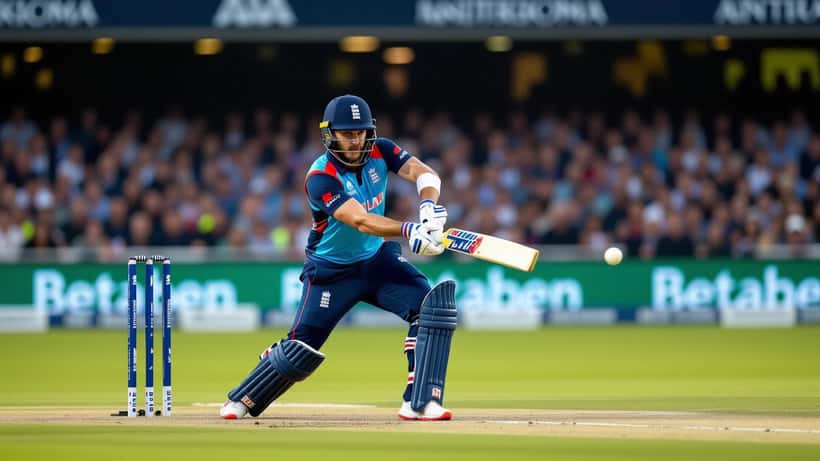
Jacob Bethell launched Varun Chakravarthy for a straight six at Old Trafford on 4 July 2026, the latest moment of brilliance from an England cricketer who, at just 22 years old, has already scored international centuries in all three formats. While fans watch his exploits in the second T20I against India, a quieter question is forming off the pitch: what should a young athlete earning simultaneously from three leagues across three continents actually do with their money?
Bethell's financial situation is already unusual by elite-sport standards. He holds a full ECB central contract — upgraded from a development deal in late 2024 — an IPL retainer with Royal Challengers Bengaluru for the 2026 season, and has featured in Big Bash League cricket in Australia. Add commercial endorsements and his estimated net worth already sits around £800,000 to $1 million, and his career has not yet reached its peak.
Three Contracts, Three Currencies
England's senior central contracts pay players in the upper bracket an estimated £700,000 to £900,000 per year, according to publicly available ECB salary band disclosures. IPL retention fees for players of Bethell's calibre typically run into tens of millions of rupees. BBL appearance fees and sponsorship income add further layers from Australia and beyond.
The practical consequence is that Bethell's earnings arrive in British pounds, Indian rupees, and Australian dollars — from three separate tax jurisdictions, each with its own rules on withholding tax, residency thresholds, and double-taxation treaty provisions. A 22-year-old, however focused and disciplined on the pitch, is unlikely to navigate that complexity without specialist help.
Multi-jurisdiction income is one of the most common situations where high earners seek financial advice too late rather than too early. The cost of professional planning is typically far lower than the cost of an unexpected tax bill across three countries, particularly when treaty relief must be claimed correctly and proactively.
The Short Career Window
Elite cricketers have one financial advantage over most professionals: they start earning seriously in their early twenties. They have one significant disadvantage: it can stop equally fast. A single serious injury — the kind that has curtailed careers of far more experienced players — can cut income dramatically within months.
This creates a planning challenge structurally different from someone who earns steadily over a 40-year career. A wealth manager working with athletes typically focuses on three questions: how do you invest windfalls effectively, how do you create income that survives a career interruption, and how do you avoid the lifestyle-inflation trap that catches many young earners?
Bethell is, by reputation, measured and thoughtful — he reportedly prioritised England Test commitments over IPL availability in 2025, suggesting a player who thinks carefully about his career. But thinking carefully about cricket performance and thinking carefully about long-term financial planning are two very different skills.
What Tax-Efficient Planning Looks Like in Practice
For a UK-based athlete earning internationally, several established mechanisms can help significantly. A Self-Invested Personal Pension (SIPP) allows annual contributions of up to £60,000 with full tax relief, effectively recycling a significant portion of HMRC-taxable income into retirement savings at a fraction of the tax cost. An Individual Savings Account (ISA) provides up to £20,000 per year in entirely tax-free growth and income. Neither is complicated to establish; both require someone with the knowledge to prompt you to use them at the right time.
Double-taxation treaty provisions between the UK and India, and between the UK and Australia, generally ensure income is not taxed twice in full — but claiming relief requires correct paperwork filed in the right jurisdiction at the right time. This is something that trips up athletes and entertainers with international earnings on a regular basis. According to the Financial Conduct Authority's guidance on regulated financial advice, anyone with complex income streams from multiple sources should consider speaking to an FCA-regulated Independent Financial Adviser before the complexity compounds.
Why Bethell's Career Trajectory Makes This Urgent Now
Bethell's recent performances illustrate why the financial stakes are rising quickly. His January 2026 maiden Test century — 154 not out in Sydney — was followed by a T20 World Cup semi-final innings of 105 off 48 balls against India in March 2026, widely described as one of the finest recent T20I innings by an England batter. He is now one of only four England players to have scored international centuries in Tests, ODIs, and T20Is.
That profile translates directly into commercial and contract value. England's all-format stars attract endorsement interest from sportswear, equipment, and lifestyle brands at levels that can add six-figure sums annually. Within the next IPL auction cycle, his base price is likely to rise substantially from its current level.
Harry Brook's rapid evolution into England's Test captain — explored in our earlier analysis of England's cricket leadership — illustrates how quickly a career can transform from promising to central, and how the financial responsibilities that follow can outpace a player's experience of managing them.
When Should a Young Athlete Seek Financial Advice?
The consistent answer from wealth managers who specialise in athlete portfolios is: before you need it, not after. The players who contact an adviser immediately after a major contract is signed are in a materially better position than those who come after a lifestyle has already been built around income assumptions that may not hold.
For Bethell specifically, the case for formalising a financial plan is strong right now — while he is playing all three formats for England at 22, with his earning capacity on a clear upward curve and his tax liabilities still manageable with correct planning in place. Waiting until the IPL retainer grows, or until another international deal arrives, means navigating greater complexity with less time.
Disclaimer: This article is for informational purposes only and does not constitute regulated financial advice. Always consult an FCA-regulated Independent Financial Adviser before making investment or tax planning decisions.
Connect with a Wealth Management Expert
ExpertZoom connects individuals — including athletes, entertainers, and high earners — with vetted wealth managers and financial advisers across the UK. If you are managing income from multiple sources, planning for a career transition, or simply starting to think seriously about long-term financial security, an expert consultation can clarify your options without obligation. Browse wealth management specialists on ExpertZoom to take the first step.
