 Lucy Walsh
A Scottish detection dog called Sgiath has been named Animal of the Year by the International Fund for Animal Welfare (IFAW) for sniffing out "sea vomit", the invasive carpet sea squirt Didemnum vexillum. The announcement was reported on 13 October 2026, and the Animal Action Awards ceremony takes place at BAFTA in London on Thursday 15 October.
Sgiath is believed to be the first dog in the world trained to detect the species. The story has pushed the unappetising nickname into UK search trends, and it raises a practical question for anyone who walks a dog, sails a boat or keeps pets near the coast.
What the award actually recognises
According to Yahoo News UK, Sgiath is handled by Dr Texa Sim, a Glasgow-born marine ecologist based near Glencoe. The idea grew out of a native oyster restoration project on Scotland's west coast. Dr Sim has also trained a three-year-old Labrador called Uisge as a second detection dog.
The dogs work along the shoreline at low tide. They pick up small fragments on boat hulls, fishing gear and ropes, and they can reportedly tell the species apart from other sea squirts and marine life. The dogs have also picked up its scent in water samples.
IFAW's Director of Marine Conservation, Sharon Livermore, said: "Sgiath's story is like nothing we've seen before." Dr Sim told the same outlet: "When I first started this project, I genuinely didn't know whether it would work." She added: "The dogs constantly surprise me."
The report gives no accuracy or cost figures, so it is too early to say how widely such dogs could be used.
Why sea vomit matters
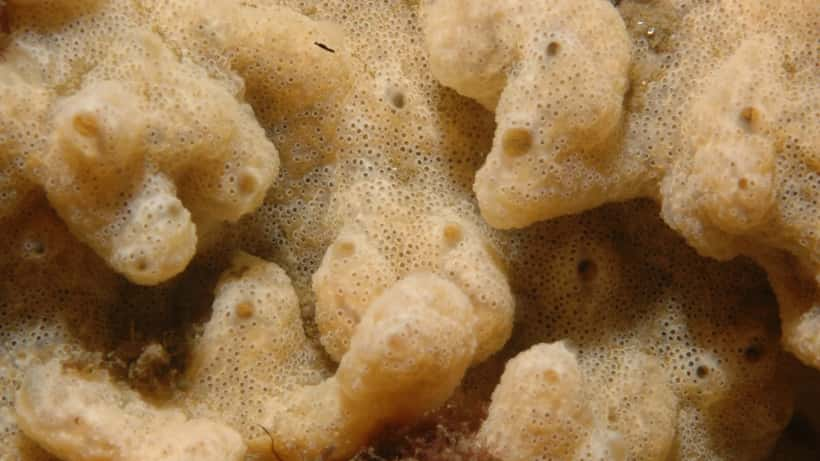
Didemnum vexillum is a colonial sea squirt thought to originate in Japan. It forms pale, slimy, carpet-like sheets, and its "sea snot" and "pancake batter" nicknames come from that look. According to the British Sub-Aqua Club (BSAC) and Scottish marine authorities, it was first recorded in the UK in 2008 at Holyhead Harbour in North Wales, and it has since turned up in parts of England and Scotland.
The concern is ecological and economic. The species smothers native wildlife and can overgrow mussels, scallops and oysters, which threatens aquaculture. It spreads on hulls, pontoons, ropes and lost fishing gear, which is why a detection dog that can check gear at low tide is useful.
The Norwegian Maritime Authority, where the species was first found in 2020, advises vessel owners to avoid staying more than 24 hours in areas where it has been detected. Longer stays raise the chance of it attaching to a hull.
Officials say it poses no direct risk to human health. That does not mean a beach with sea squirt colonies is risk-free for pets, and that is where the veterinary angle comes in.
What a vet would want dog owners to take from this
Detection dogs are working animals, and their welfare is part of the story. Scent work is physically and mentally demanding, and a dog that works shorelines at low tide meets cold water, sharp shells, slippery rock and unfamiliar material to chew.
Ordinary pet dogs meet the same hazards on holiday beach walks. Vets generally flag three:
- Seawater ingestion. Dogs that retrieve balls or keep panting in the surf can swallow a lot of seawater. Mild cases cause vomiting and diarrhoea, and heavy intake can become an emergency.
- Chewing washed-up material. Rope, netting, fishing line and slimy marine growth on the strandline can cause stomach upset or an obstruction.
- Paw and skin injuries. Barnacles, oyster shell and cut rope on harbour walls are common causes of cut pads.
None of this is specific to sea vomit, and there is no evidence in the reporting that the species poisons dogs. The practical point is that a trending invasive species is a good reminder of what pets pick up on shorelines.
There is a welfare lesson in the award itself. A dog that searches ropes, pontoons and strandlines for a living needs rest between sessions, fresh drinking water, and regular checks of its paws, ears and coat. Owners of ordinary pets who copy that routine after a beach day will catch most minor problems early. The same applies to puppies and older dogs, which tire faster and are more likely to gulp seawater while excited.
A worked case: the harbour walk after the boat clean
Take a hypothetical owner. She keeps a 25 kg Labrador and a 7 m sailing boat on a west-coast mooring, and spends a Saturday scrubbing the hull and lifting old rope onto the pontoon before a two-hour low-tide walk.
The dog is allowed to pick over the rope pile and fetches stones from the shallows for about 40 minutes. On the way home it vomits twice within three hours. Here is how a vet would likely reason about it:
- If the dog vomits once, then settles, drinks normally and eats a bland meal later, home monitoring for 24 hours is usually reasonable.
- If the dog vomits repeatedly (say three or more times in a few hours), seems lethargic, is wobbly or trembling, or refuses water, then it needs a same-day vet appointment. These can be signs of significant seawater salt intake or a swallowed foreign object.
- If the owner spotted slimy marine fragments on the rope and the dog chewed them, then she should tell the vet what was chewed. She should also wash the lead, rope and boots in fresh water before they go back on the boat. Cleaning the gear helps stop fragments moving to a new harbour.
The 24-hour figure here comes from the Norwegian boat guidance and the three-vomit threshold is an illustrative rule of thumb. Neither replaces advice from a vet who has examined the animal.
The legal footnote for boat owners
Anyone who moves marine growth between harbours should know the law on non-native animals. Section 14 of the Wildlife and Countryside Act 1981 makes it an offence to release, or allow to escape into the wild, animals not ordinarily resident in Great Britain. How that applies to an accidental hull fragment is a question for specialist advice, but the intent is clear: keep gear clean, and do not spread colonies to new moorings. The full text is on legislation.gov.uk.
What to do now
If you walk or sail on the coast with a dog, a few habits cost nothing:
- Rinse dogs, leads and ropes in fresh water after shoreline walks, especially around harbours and marinas.
- Discourage chewing on strandline debris, netting and slimy growth.
- Check pads and coat for cuts and attached fragments before getting in the car or onto the boat.
- Offer fresh water regularly, so the dog is less likely to drink from the sea.
- Report suspected carpet sea squirt colonies to the relevant local marine authority or recording scheme rather than scraping them off.
This article is general information about pets and is not veterinary advice. If your dog is unwell after a beach visit, contact your vet promptly. For questions on working-dog welfare, coastal hazards for pets or what to do after a worrying walk, you can speak to a qualified vet through Expert Zoom's animal and veterinary experts.
