 Christopher Bell
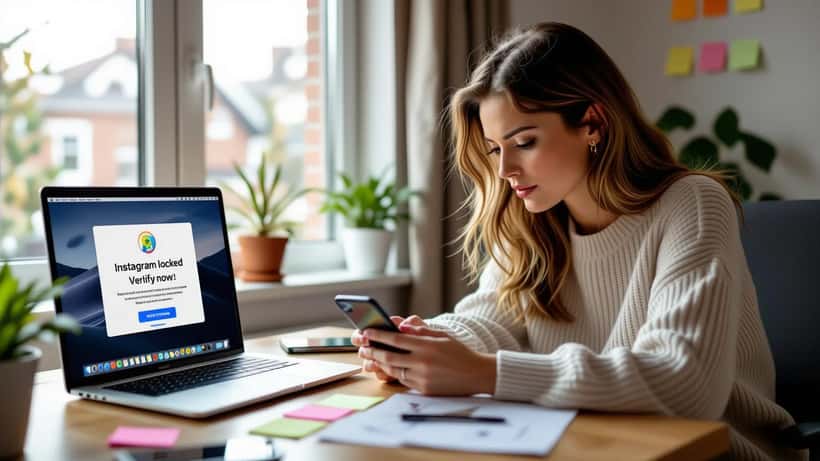
When Instagram stopped loading for millions of users on the morning of 19 July 2026, the first instinct for many was to check whether the problem was on their end. Within minutes, that instinct was being weaponised. Security monitors across the UK reported a spike in phishing emails and text messages claiming that accounts had been "suspended during scheduled maintenance" and demanding an urgent login to restore access. The outage was real. Most of the messages were not.
This pattern is now so predictable that fraudsters treat major platform failures as a marketing calendar. Every time Instagram, WhatsApp or X goes dark, a wave of fake "verify your account" lures follows within the hour. Understanding why outages and scams travel together — and how to tell one from the other — is the difference between a frustrating morning and a hijacked account.
Why scammers wait for an outage
An outage creates the one condition every phishing campaign needs: a large group of anxious people who are already expecting a message about their account. When your feed will not refresh, an email that says "we noticed unusual activity and locked your profile" feels plausible rather than suspicious. The confusion is the point.
Criminals also know that during a genuine outage the platform's own support channels are overwhelmed, so victims are less likely to cross-check. Automated kits let attackers send hundreds of thousands of messages in the time it takes engineers to post a status update. The UK's National Cyber Security Centre has repeatedly warned that scammers exploit exactly these moments of "urgency and disruption", when normal caution slips.
The goal is almost never Instagram itself. A working set of login details is a gateway. The same email and password are often reused for online banking, shopping accounts and work systems, and a verified social profile can be resold or used to run investment and romance scams against the victim's own followers.
How to spot a fake outage message
A real platform will not email you a link asking for your password during downtime. Keep four checks in mind when a suspicious message lands:
- The sender address. Hover over or long-press the sender name to reveal the full address. Genuine Instagram mail comes from an official domain, not a lookalike such as "instagram-security-team.net".
- The link destination. Preview any link before tapping. If it points to a shortened URL or a domain that is not instagram.com, treat it as hostile.
- The pressure. "Act within 24 hours or lose your account" is a manipulation tactic, not a real policy. Legitimate security notices give you time and route you through the app, not an email link.
- The request itself. No genuine provider asks for your full password, your two-factor code or payment details to "reactivate" a free account.
When in doubt, ignore the message entirely and open the app or type the web address yourself. If there is a real security issue, it will be visible inside your account settings.
What to do if you have already clicked
Speed matters. If you entered your details on a fake page, change your Instagram password immediately from a device you trust, then change it anywhere else you used the same combination. Turn on two-factor authentication using an authenticator app rather than SMS, which is harder for criminals to intercept. Review the "login activity" and "authorised apps" sections and revoke anything you do not recognise.
If money left an account, or if the same credentials protect your banking, contact your bank without delay and report the fraud to Action Fraud, the UK's national reporting centre. Keep screenshots of the scam message — they help investigators and support any dispute.
Where an IT specialist adds real value
For an individual, recovering a single account is usually a matter of following the steps above. The stakes rise sharply for small businesses, creators and anyone whose income or client data lives inside their social accounts. A compromised profile can be used to message an entire customer list with fraudulent offers within minutes, and the reputational damage often outlasts the technical fix.
An IT security specialist can do what a rushed morning cannot: audit which accounts share passwords, set up a password manager so every login is unique, configure hardware or app-based two-factor authentication across a team, and build a simple incident plan so staff know exactly who to call when the next outage hits. For a business, that preparation turns a chaotic scramble into a routine that takes minutes.
Consulting an expert is also worthwhile after a breach. Working out what a criminal actually accessed, whether client data was exposed, and what your reporting obligations are under UK data protection rules is not guesswork you want to improvise. A specialist can assess the damage, close the gaps and document the response properly.
The takeaway from 19 July
The July outage will be forgotten within a week. The technique that surrounded it will not, because it works. Treat every unexpected "your account has been locked" message during a service disruption as a scam until you have proven otherwise, and never log in through a link you did not request.
Building good habits now — unique passwords, app-based two-factor authentication, and a healthy suspicion of urgency — costs nothing and protects far more than a single photo feed. The next outage is a matter of when, not if. The people who stay calm and verify before they click are the ones the scammers cannot reach.
This article is general information, not tailored security advice. If you believe your accounts or business systems have been compromised, consult a qualified IT security professional.
