 Isobel Fraser
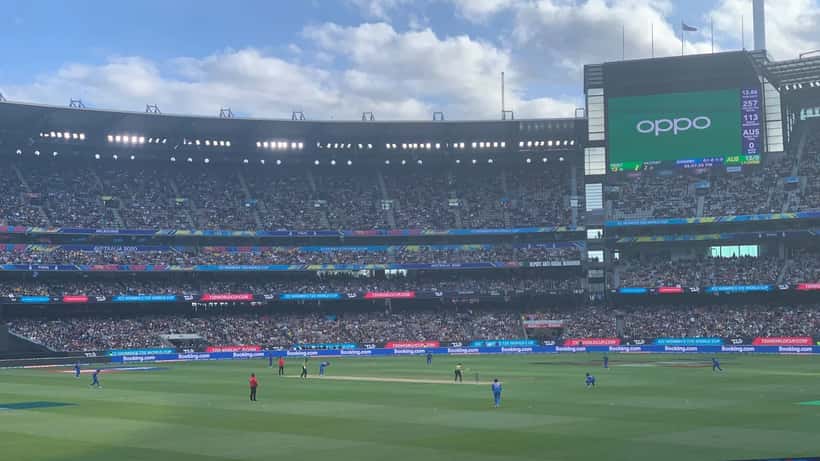
India and Pakistan face each other today at Edgbaston, Birmingham in the ICC Women's T20 World Cup 2026 — the biggest fixture in women's cricket. While 20,000 fans pack the stands for the Group 1 clash at 13:30 GMT, the financial reality for these players reveals a chasm that stretches far beyond the boundary rope.
Two Nations, Worlds Apart in Pay
Harmanpreet Kaur's India arrive as the firm favourites — both on the pitch and in the bank. India holds a commanding head-to-head record: 13 wins from 16 T20I matches against Pakistan. They also benefit from one of cricket's most significant financial decisions in recent years.
In 2022, the Board of Control for Cricket in India (BCCI) announced full pay equity for men and women cricketers. Indian women now earn INR 15 lakh per Test match, INR 6 lakh per ODI, and INR 3 lakh per T20I — identical rates to their male counterparts. For a player appearing in today's high-profile T20 World Cup fixture at Edgbaston, that represents a meaningful and professionally structured income.
Pakistan Women: Earning Below Minimum Wage
The contrast with Pakistan's women cricketers is stark. Pakistan Cricket Board (PCB) domestic women players were receiving monthly retainers of just PKR 35,000 — approximately £100 per month — which falls below Pakistan's own mandated minimum wage of PKR 37,000 for unskilled workers.
To put that in context: players representing their nation at a World Cup hosted in England were earning less per month than the Pakistani government's legal minimum for unskilled labour.
The PCB has since introduced enhanced central contracts for 20 players ahead of the 2025-26 season, signalling a shift in approach. But for most players in Pakistan's domestic pipeline, the financial reality remains precarious, and today's Edgbaston crowd will see a team where only a handful of players have any meaningful financial security from cricket alone.
England's Progress — and Its Limits
The Women's T20 World Cup is being hosted in England, where the ECB has made its own landmark strides. From 2025, starting salaries have been equalised across men's and women's professional domestic cricket — a meaningful step for pay equity in UK sport.
Yet the gap at the top remains wide. In The Hundred, top men's players now earn £200,000 while top women's players earn £65,000 — a gap of £135,000 that has actually widened from £75,000 previously. England captain Heather Knight publicly described this widening disparity as "not ideal."
Equal starting salaries matter. But equal earning potential at the peak of the professional game is still a work in progress — even in England, where the World Cup is being held.
As the pay gap debate continues across the sport, women athletes at every level face a shared financial planning challenge that today's marquee fixture brings into sharp focus. Our earlier analysis of equal pay contracts in England women's cricket explored how contract structures affect long-term earnings — the India-Pakistan pay divide shows just how wide that spectrum can be.
What the Pay Gap Means for Women Athletes' Finances
The volatile and unequal pay structures in women's cricket create a specific wealth management challenge. Even for elite players appearing at a World Cup, the financial window is narrow: international careers typically span 8–12 years, and without the financial infrastructure available to male athletes, women must make every pound — or lakh, or rupee — count.
Three financial risks arise directly from the pay gap in women's cricket:
Short earnings windows. Unlike male international cricketers who can supplement match fees with IPL contracts worth millions, women's T20 leagues are still developing. The BCCI's Women's Premier League offers growing opportunity, but the market for most women cricketers remains far smaller. A career that peaks between ages 22 and 32 leaves little margin for delayed financial planning.
No automatic pension or post-career structure. The PCB's historically low domestic contracts mean many Pakistani women players retire without meaningful savings. Without a proactive plan during active years, post-career income — whether from coaching, media, or sponsorship — must carry the entire financial burden.
Currency and jurisdiction risk. Players like Nida Dar or Fatima Sana earn primarily in PKR but spend time competing internationally in GBP or USD environments. Exchange rate movements, combined with multi-jurisdiction tax exposure, can erode already modest earnings significantly without proper planning.
How a Wealth Management Expert Can Help
A qualified wealth management adviser can help women cricketers — at any pay level — build a sustainable financial foundation that career earnings alone may not provide.
Key areas of support include:
Contract analysis and salary negotiation. The full value of a cricket contract goes far beyond the headline match fee. Image rights, performance bonuses, kit and travel allowances, and post-career benefits all form part of the picture. Many athletes leave significant money on the table without professional guidance at the contract stage.
Investment during peak earning years. Short careers demand disciplined saving during the active window. An adviser can structure an investment plan — balancing growth assets with appropriate risk levels — that accounts for the income uncertainty that follows retirement from professional sport.
Tax planning across jurisdictions. International players earning across multiple countries face complex tax obligations. Understanding double taxation treaties, tax residency rules, and how international match fees are treated in each jurisdiction can save thousands of pounds annually.
Post-career income planning. Broadcasting, coaching, sponsorships, and community cricket involvement all offer income pathways beyond the last match. A financial plan built during the playing career makes these transitions far smoother.
As today's India vs Pakistan fixture at Edgbaston captures the world's attention, it also throws into sharp relief how much financial inequality still exists behind the scenes of women's sport. For players at every level — from India's BCCI-backed stars to Pakistan's underpaid domestic circuit — expert wealth management advice is not a luxury. It is essential career planning.
For advice on sports wealth management, athlete financial planning, or investment strategy, connect with a qualified wealth management specialist on ExpertZoom.
Important notice: This article provides general financial information for educational purposes only. It does not constitute personalised financial advice. Always consult a qualified wealth management professional before making financial decisions.
