 Isobel Fraser
HMRC switched off automatic refund cheques on 31 May 2024, yet millions of UK taxpayers are still receiving them — and many do not know what to do next. If a P800 tax calculation letter has landed on your doormat in April 2026, here is exactly what it means and what you should do before your refund disappears.
Why Is HMRC Still Sending Cheques?
The short answer: HMRC changed its rules, but not everyone knows about it. Until 31 May 2024, the taxman would automatically post a cheque to anyone who received a P800 letter and failed to claim their refund online within 21 days. That practice has now stopped.
Today, cheques are only issued on request. If your P800 letter says you are owed money, you must actively claim it — either online via your Personal Tax Account, through the HMRC app, or by calling HMRC and specifically requesting a cheque. If you do nothing, the refund will not arrive automatically. It will simply sit unclaimed.
So why are cheques still turning up at all? Because a small category of taxpayers — particularly those with older records or complex PAYE cases — may still receive a cheque where the online claim route is unavailable. Additionally, older unresolved claims from before the May 2024 cut-off are still being processed. Staff shortages and industrial action affecting HMRC between December 2024 and June 2025 created backlogs that are still unwinding in April 2026, meaning some cheques are arriving months after the original claim was made.
What Happens If You Ignore Your P800 Letter?
This is where many taxpayers are losing money. The new rules create a trap: unlike before, passively receiving a P800 letter does nothing. You have four years from the end of the relevant tax year to claim a refund before it expires entirely. For the 2021/22 tax year, that deadline is 5 April 2026 — meaning time is running out.
According to the government's own guidance on tax overpayments and underpayments (GOV.UK), HMRC will write to you if it believes you have overpaid tax. But writing to you is no longer the same as paying you. The obligation to act has shifted firmly to the taxpayer.
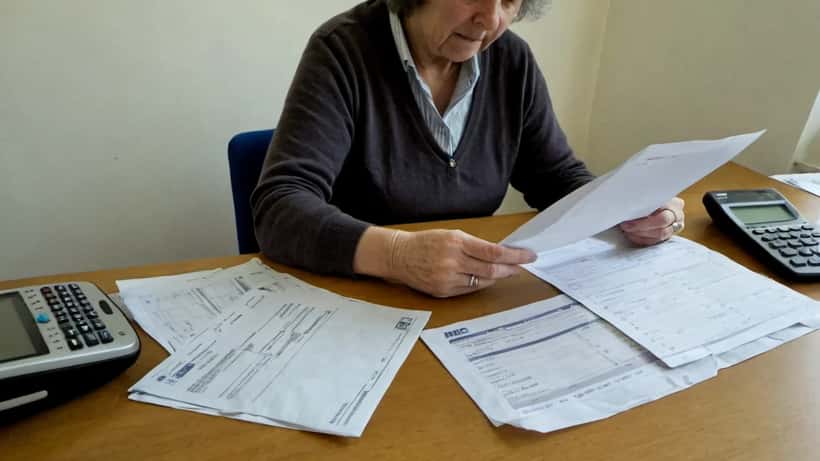
Financial advisers have raised concerns about the disproportionate impact on older and lower-income individuals — precisely those least likely to use the HMRC app or navigate an online Personal Tax Account. For these groups, the change is not a minor administrative update; it is a practical barrier to receiving money they are legally owed.
How Long Does It Take to Get Your Refund?
Speed depends entirely on which method you use:
- Online via Personal Tax Account or HMRC app: 5 working days into your bank account. This is by far the fastest route.
- By phone, requesting a cheque: Up to 42–56 days (six weeks), including postal delivery. Ongoing processing delays mean this can stretch further.
- If HMRC sends a cheque automatically: The letter will tell you to expect it within 14 days — but backlogs may extend this.
The difference is stark. Claiming online takes under a week. Waiting for a cheque in the post can take two months. For anyone who needs the money, the online route is unambiguously better.
What to Do If a Cheque Has Already Arrived
If a cheque from HMRC is in your hand, you have several options:
- Deposit it via your bank's mobile app — most UK banks now accept mobile cheque deposits through their app. Check your bank's daily limit, as HMRC cheques can be for significant amounts.
- Pay it into a branch — all major high street banks will process HMRC cheques.
- Cash it at a Post Office — you will need two forms of ID.
Do not delay. HMRC cheques are valid for six months. After that, cashing them becomes complicated and may require requesting a replacement — which means more waiting.
When Should You Consult a Tax Professional?
A standard P800 letter with a simple refund is straightforward. But certain situations warrant professional advice:
- You have both employed and self-employed income and are unsure whether the P800 figure is correct
- You receive benefits or a state pension alongside employment income — these are commonly miscalculated
- You missed the four-year window and believe you are still owed a refund — a tax adviser can sometimes make a claim beyond the standard deadline through an Extra-Statutory Concession
- You have multiple employers in one tax year — the likelihood of HMRC's calculation being wrong is higher
- The refund amount seems very large or very small — unexpected figures are worth verifying before cashing
A qualified tax adviser or accountant can review your PAYE records, cross-check HMRC's calculation, and identify whether you are owed additional money from prior years you may not have claimed. Given that the average unclaimed PAYE refund runs into hundreds of pounds, professional advice often pays for itself.
Financial disclaimer: This article is for general informational purposes only and does not constitute financial or tax advice. For advice on your specific tax position, consult a qualified financial adviser or tax professional.
The Bigger Picture: Is HMRC's Digital-First Approach Working?
The move away from automatic cheques is part of HMRC's long-running digitisation strategy. The theory is sound: bank transfers are faster, cheaper, and harder to intercept than cheques. In practice, however, the transition has created a quiet wealth drain for those who are less digitally confident.
The Low Incomes Tax Reform Group has consistently highlighted that HMRC's digital-first approach creates real barriers for pensioners, carers, and people with disabilities — groups who are also statistically more likely to have overpaid tax through complex benefit and pension interactions.
Whether you have received a cheque, a P800 letter, or are simply wondering whether HMRC owes you money from a previous year, the message is the same: do not wait. Claim your refund online today, and if the numbers do not add up, speak to a wealth management or tax professional who can review your full picture.
