 Amelia Ward
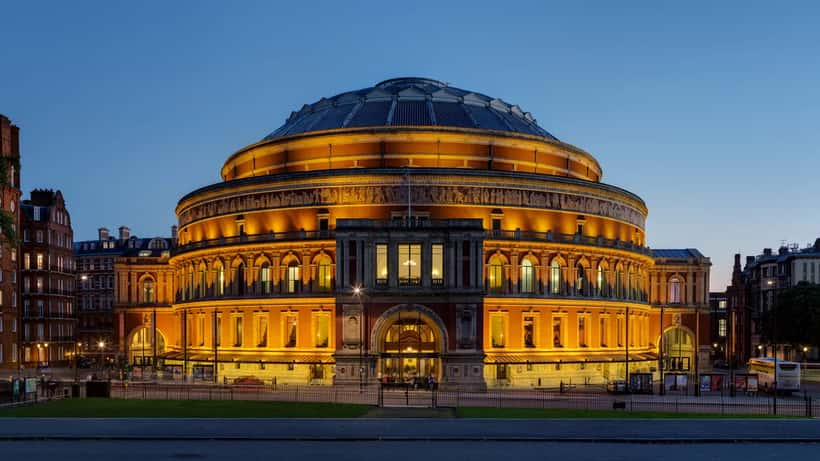
Heart FM's biggest night of the year arrives at the Royal Albert Hall on 14 December 2026, when Amanda Holden and Jamie Theakston host Heart Christmas Live with NatWest, featuring Take That, Leona Lewis, Olly Murs, and James Arthur. But while thousands of UK concertgoers prepare to sing along and raise a glass to the season, cardiologists are flagging a less festive statistic: December is the deadliest month of the year for cardiac events in the UK, and live event nights condense nearly every risk factor into a single evening.
Heart Christmas Live: Britain's Biggest Festive Night Out
Heart Radio's annual Christmas spectacular has become one of the UK's most anticipated live events, and the 2026 edition at the Royal Albert Hall is its most ambitious yet. Tickets went on sale on 25 September via Global Player and heart.co.uk, with the full lineup — Take That, Leona Lewis, Olly Murs, and James Arthur — confirmed within days of the announcement.
For millions of UK fans, it is a highlight of the Christmas calendar — a night of nostalgia, celebration, and seasonal cheer. But the very ingredients that make it so joyful are precisely the ones that cardiologists caution against for anyone with underlying cardiovascular risk: excitement, cold winter air, alcohol, late nights, and the physical demands of standing in a packed venue for several hours.
According to the British Heart Foundation's cardiovascular statistics, more than 8 million people in the UK are currently living with a cardiovascular disease — many without a formal diagnosis. Around 8 million UK adults also have undiagnosed or uncontrolled high blood pressure. For this significant portion of the population, a night like Heart Christmas Live is not automatically risk-free.
Why December Is the Deadliest Month for Your Heart
The timing of Heart Christmas Live matters medically. Research consistently shows that more people die from heart attacks in the week between Christmas and New Year than at any other point in the year, with Christmas Day being the single most fatal day for cardiac events.
A large-scale Swedish study found that heart attack rates jumped by 37 per cent on Christmas Eve alone, with risk peaking around 10 pm — precisely the time a festive concert is approaching its finale. A separate study published by American Medical Response found cardiac emergencies spike by 30 per cent on Christmas Eve across the general population.
Cardiologists point to a convergence of physiological stressors that are unique to the festive period:
- Cold weather causes blood vessels to constrict, forcing the heart to work harder to maintain circulation. Walking from a tube station or car park to the Royal Albert Hall in 4°C December air constitutes a meaningful exertion for anyone with pre-existing heart disease.
- Alcohol triggers a condition known as "holiday heart syndrome" — the onset of abnormal heart rhythms, including atrial fibrillation, after increased drinking. Even moderate increases in alcohol intake can destabilise heart rhythm in susceptible individuals.
- Emotional excitement and adrenaline from a live concert cause a rapid rise in heart rate and blood pressure. For someone with hypertension, this temporary surge can tip the balance significantly.
- Late nights and disrupted sleep reduce the heart's ability to recover overnight. Events finishing after midnight, combined with a cold commute home, extend the period of physiological stress.
These factors do not act independently — they compound each other. For a healthy 30-year-old, a concert night poses no meaningful risk. For the 16 million UK adults with raised blood pressure, or the 8 million with diagnosed cardiovascular disease, the cumulative effect warrants genuine attention.
What a Cardiologist Sees When You Plan a Festive Evening Out
Cardiologists describe festive live events as "multi-trigger environments" — settings where several independent risk factors align simultaneously, rather than one elevated risk appearing in isolation.
A specialist consulted via ExpertZoom would typically ask three triage questions for any patient considering attending a high-energy festive event:
Do you have a confirmed diagnosis of hypertension, coronary artery disease, arrhythmia, or heart failure? If yes, your risk at any high-stimulation event is meaningfully higher than in the general population, and a pre-event review is recommended.
When did you last have a blood pressure check? For anyone on antihypertensive medication, seasonal changes — including increased salt and alcohol intake — can temporarily destabilise blood pressure even in well-managed patients. The BHF confirms that every three minutes, someone in the UK dies from cardiovascular disease, which underlines that this is not a niche concern.
Do you experience any of the warning symptoms described below, even occasionally? Intermittent symptoms that seem minor in isolation may indicate an underlying arrhythmia or flow-limiting coronary disease that warrants investigation before attending a high-stimulation event.
What Could Happen on the Night — A Concrete Scenario
Consider a 54-year-old man attending Heart Christmas Live at the Royal Albert Hall with his partner on 14 December. He has been managing hypertension since 2023 and takes a daily ACE inhibitor, but has not had a GP review since January 2026. His last recorded blood pressure was 138/88 mmHg — borderline, but within accepted management range at the time.
On the evening, he walks 600 metres from Knightsbridge tube station in 4°C air, consumes three glasses of wine across the concert, stands for approximately two and a half hours, and experiences the adrenaline surge of Take That performing live.
Here is the if/then logic that cardiologists describe for this profile:
If resting blood pressure is already ≥ 140/90 mmHg AND alcohol is consumed at a festive live event → acute systolic pressure can temporarily exceed 180 mmHg in the post-performance period, which the NHS classifies as a hypertensive crisis threshold requiring immediate assessment.
If the same individual has undiagnosed atrial fibrillation — estimated to affect 1.5 million UK adults, with up to 500,000 cases currently undiagnosed — the combination of alcohol, fatigue, and sustained excitement is precisely the trigger that cardiologists describe as classic for an AF episode.
In concrete financial and medical terms: a pre-concert GP check in November 2026 costs £0 on the NHS, or a private cardiologist consultation is available from approximately £150 via specialist platforms. NICE guidelines confirm that seasonal blood pressure variation of 10–15 mmHg is common in winter months, meaning a January 2026 reading tells a GP very little about where that same patient stands in December. Without a current baseline, the man in this scenario has no way to know whether his controlled 138/88 has drifted to an uncontrolled 155/96 — a difference that dramatically changes his risk profile for the night.
For those seeking guidance on recognising cardiac arrest at a public event, see our article on cardiac arrest warning signs and what bystanders can do.
Three Warning Signs That Require Immediate Action at Any Live Event
Whether at Heart Christmas Live or any other festive event this December, the following symptoms require calling 999 immediately — do not wait for the performance to end, do not dismiss them as excitement or overindulgence:
Chest tightness, pressure, or pain — even if mild, especially if it radiates to the arm, jaw, neck, or back. This is the classic presentation of a myocardial infarction. The most common and dangerous mistake is attributing it to indigestion after a festive meal.
Sudden breathlessness out of proportion to your activity — if you become breathless simply standing still in the crowd, or notice breathlessness increasing at rest, this may indicate acute heart failure or pulmonary embolism, both of which can present without chest pain.
Rapid, irregular, or pounding heartbeat with dizziness — particularly if accompanied by lightheadedness or feeling faint. This pattern is consistent with new-onset atrial fibrillation, which, if left unaddressed, significantly raises the risk of stroke in the hours that follow.
None of these symptoms should be attributed to "too much excitement" without medical assessment. As our report on heart attack warning signs in middle-aged men highlights, delay in seeking help remains the single most preventable factor in adverse cardiac outcomes.
What to Do Before 14 December: A Practical Action Plan
The cardiac risk posed by festive events is largely manageable — and a short consultation with a cardiologist or GP in October or November is often all that is needed to establish a current baseline and address any drifting risk factors before the season begins.
If you have been diagnosed with hypertension, arrhythmia, or coronary artery disease, take three steps before attending Heart Christmas Live or any other December event:
First, book a blood pressure check in October or November to establish a current reading — do not rely on a measurement from earlier in the year. Second, discuss with your GP whether your current medication dose remains appropriate for winter, when blood pressure tends to run higher. Third, ask a cardiologist to review whether your specific cardiac history places you in an elevated-risk category for high-stimulation environments.
A cardiologist available via ExpertZoom can review your cardiac history remotely, assess your current risk profile, and provide personalised guidance ahead of the Christmas season. With 8 million UK adults living with undiagnosed or poorly controlled hypertension, the most important step is also the simplest: know where your heart health stands before you arrive at the Royal Albert Hall.
This article is for informational purposes only and does not constitute medical advice. Always consult a qualified healthcare professional for guidance on your individual health circumstances.
