 Phoebe Wilson
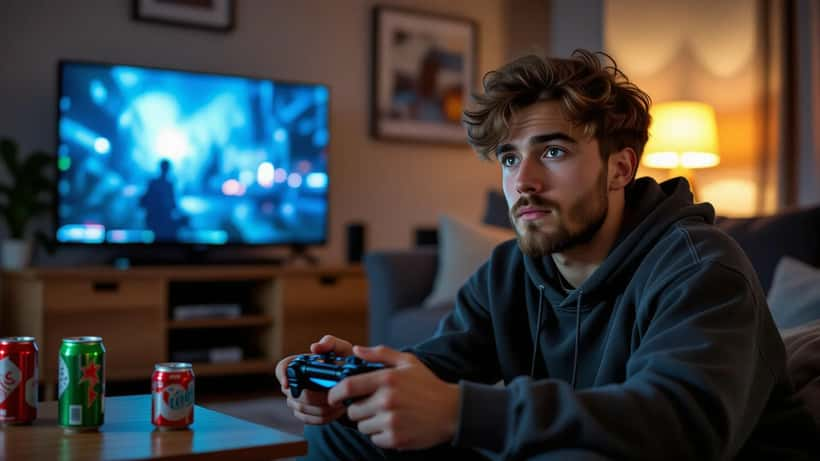
Grand Theft Auto VI is due on 19 November 2026, a Thursday, and for millions of UK players the first weekend will mean one thing: very long sessions with a controller in hand. Doctors and physiotherapists have a plain message for anyone planning a marathon. The hands, wrists and eyes usually give up before the player does.
What is actually known about the GTA 6 launch
According to Tom's Guide, Rockstar originally planned to release the game on 26 May 2026. Last November the publisher confirmed a six-month delay, which moved the launch to 19 November 2026. That date now sits five weeks away, and searches for the game keep climbing as the wait ends.
Nothing about the release date changes how the human body copes with a long session. What changes is the scale. Previous Rockstar launches turned into multi-day events, and a game of this size invites exactly the kind of binge play that physiotherapists see in clinic the following week.
If you are weighing hardware before launch, our earlier piece on whether a PS5 Pro upgrade is worth it for the launch covers the cost side. This article covers the cost to your body.
Q: Can a gaming session really injure you?
Yes, though the damage is rarely dramatic. The typical problem is repetitive strain, a build-up of small stresses on tendons and nerves from doing the same movement for hours. The NHS describes repetitive strain injury (RSI) as pain, aching, tingling or numbness caused by repetitive movement or awkward posture, and it lists computer and keyboard use among the common triggers. You can read the full symptom list on the NHS page on repetitive strain injury.
Controllers add a specific twist. A physical therapist quoted by Baylor College of Medicine explains that holding a controller with the wrist cocked upwards for long periods can compress a nerve in the wrist. The result is numbness or tingling in the fingers, often the thumb, index and middle finger.
Q: What do the eyes go through?
Staring at a bright open-world game for hours is a workout for the focusing muscles of the eye. Baylor's ophthalmologist describes eye strain as fatigue caused by overworking those muscles. Typical signs are dry or burning eyes, headaches behind the brow and blurred vision when you finally look up.
The standard advice, repeated by HealthDay's eye-care expert, is to look at objects at different distances during play so the eye changes focus, and to avoid glare on the screen. A simple habit is the 20-20-20 rule: every 20 minutes, look at something about 20 feet (6 metres) away for 20 seconds. Cutscenes and loading screens are natural cues.
Q: How often should you stop?
Healthwords, a service written by UK doctors and pharmacists, recommends a full body stretch roughly every half hour and a walk during longer sessions. It also suggests moving the hands, wrists and forearms during those breaks, since they stay in one position for so long.
In practice, most players will not pause every 30 minutes. A realistic target is a proper break every hour, with a few seconds of wrist and finger stretching in between whenever a mission ends.
A launch weekend in numbers: the case of Daniel in Leeds
Consider Daniel, 28, who works in an office in Leeds and already spends eight hours a day at a keyboard. He collects the game on Thursday 19 November, plays six hours that night, then eight hours on each of Friday, Saturday and Sunday. That is 30 hours of controller time in four days, on top of his desk job.
By Sunday evening he notices tingling in his thumb and index finger, worst when he wakes. Here is how the decision tree plays out.
- If the tingling disappears within a day of putting the controller down and resting, then he has most likely overloaded the tissues. He can limit sessions to two hours, take a 10-minute break each hour and keep the wrist in a neutral position.
- If the symptoms are still there after about two weeks of lighter use, or they wake him at night, then he should book a GP appointment or see a physiotherapist rather than waiting. The NHS describes a related condition, carpal tunnel syndrome, as typically causing tingling and numbness in the thumb and fingers, and it is easier to treat early.
- If he notices weakness, dropping things or numbness that does not ease when he changes position, then he should seek professional advice promptly. Baylor advises stopping altogether if pain, tingling or numbness does not go away straight after repositioning.
Compare that with spreading the same 30 hours over two weeks, say 2 hours a night. The total playtime is identical, but the tissues get 12 or more hours of recovery between sessions instead of a few. The same game, a very different outcome for the wrists.
Setting up your space before launch day
A few changes cost little and can be made now, while the wait continues.
- Choose a firm chair over a soft sofa. Baylor's physical therapist says a sturdy chair supports the body better, and the lower back benefits too.
- Keep the wrists straight. Rest the forearms on a cushion or arm rests so the controller sits at a relaxed height rather than pulling the wrist upwards.
- Cut glare. Position the screen away from windows and lamps, and lower brightness in a dark room.
- Set a timer. A phone alarm every hour is more reliable than good intentions at 2 a.m.
- Hydrate and eat properly. Long sessions with energy drinks and takeaways are not an injury risk on their own, but they make fatigue, headaches and poor posture worse.
Younger players should also be aware of age checks and online safety rules around the launch. Our guide to GTA 6 age verification in the UK explains what the Online Safety Act means for accounts.
Why open-world games are especially demanding
Open-world titles reward long, uninterrupted play. There is no natural end to a session, no round timer and always one more mission on the map. Driving sequences keep the thumbs in constant fine motion on the sticks, while shooting segments mean sustained pressure on the triggers. Add the late hour, a dim room and a bright screen, and the hands and eyes are working hard with very little rest. Building deliberate stopping points, such as finishing a mission and then standing up, gives the body the pause the game never will.
When to see a professional
Mild stiffness after a long evening is common and usually passes. Seek advice when:
- tingling, numbness or pain lasts beyond a couple of weeks or keeps returning;
- symptoms wake you at night or you lose grip strength;
- your eyes stay painful, or headaches follow every session;
- the problem is interfering with your job, particularly if you type for a living.
A GP can rule out underlying causes, and a physiotherapist can assess your wrist, forearm and posture. For recurring eye symptoms, an optometrist can check whether you need a prescription or a screen-specific lens.
Find the right expert
If you are already feeling aches before launch day, or you want a setup assessment, you can speak to a qualified health professional through the Health category on Expert Zoom. A short consultation now is far cheaper than a lost month of play, or a lost month at work.
This article is general information, not medical advice. If you have persistent pain, numbness or vision problems, consult a doctor or other qualified health professional.
