Switzerland goalkeeper Gregor Kobel has spent much of 2026 under the kind of microscope that only modern football can provide. Between Borussia Dortmund’s high-stakes Bundesliga push, another international window for the national team, and the growing expectation that every post-match interview will be dissected on social media within seconds, Kobel is a useful case study in how quickly an athlete’s reputation can shift. One strong performance triggers praise; one misplaced quote, viral clip, or off-camera moment can dominate headlines for days. For professional athletes and the teams around them, this is no longer a side issue. It is a core part of career management.
The reason is simple. In 2026, athletes are public brands. A player like Kobel is not only evaluated on saves and clean sheets, but also on tone, body language, sponsor appeal, and how they handle difficult questions after a defeat. Fans, journalists, and sponsors all expect consistency across every channel. That expectation creates pressure, but it also creates a clear need for expert support. Athletes who treat media training and reputation management as seriously as physical conditioning are generally the ones who maintain long-term value, both on and off the pitch.
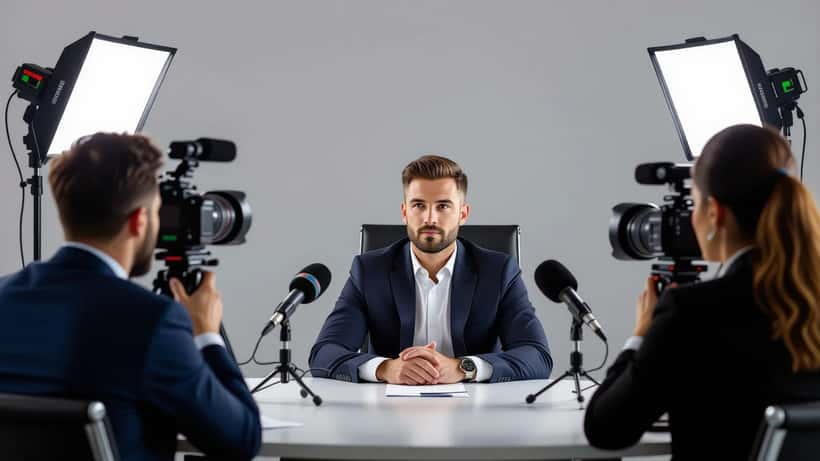
Media training is sometimes misunderstood as learning how to dodge questions. In practice, it is closer to communication coaching. An experienced media trainer helps an athlete slow down under pressure, reframe tense questions, protect teammates, and keep the focus on performance rather than controversy. For goalkeepers in particular, this matters because they often face the most direct questions after a match. A single post-match interview can define the narrative around a whole season.
Reputation management goes further. While media training prepares an athlete for live moments, reputation management looks at the wider picture: how stories build online, how old interviews resurface, how fan sentiment shifts, and how brands respond. In Kobel’s position, where transfer speculation and international duty frequently overlap, a coherent reputation strategy helps keep the conversation focused on professionalism rather than rumour. This is especially valuable during tournaments such as World Cup 2026, when visibility peaks and mistakes are amplified across borders.
Athletes are not the only ones who benefit. Agents, clubs, sponsors, and family offices all have a stake in how a player is perceived. A goalkeeper who handles the media well can strengthen a club’s image, make sponsorship negotiations easier, and reduce friction during contract discussions. The same dynamic applies to wealth planning. Several sports stars have found that their earning power is tied less to statistics alone and more to the overall package they present. Those interested in the financial side can see parallels in the way other international players have approached contract and wealth decisions ahead of major tournaments, as discussed in articles on Sebastian Berhalter’s World Cup wealth planning, Felix Nmecha’s approach to athlete wealth management, and Matías Galarza’s contract and wealth strategy.
So what does effective athlete media training look like in 2026? The best programmes are tailored, repeated, and realistic. They include simulated interviews under time pressure, social-media scenario planning, and coaching on how to handle criticism without escalating it. They also cover the quieter moments: what to say in a changing-room interview, how to behave in mixed zones, and how to respond when a story is factually wrong but already spreading. Generic advice is not enough. Athletes need training that reflects their actual environment, whether that is English-language Premier League press conferences, German Bundesliga broadcast interviews, or multilingual international duty.
Another important element is timing. Many athletes only seek help after a problem has already occurred. That is understandable, but it is also expensive. Rebuilding a reputation usually takes longer than protecting one. Forward-looking players and their advisors increasingly bring in media and reputation experts before a crisis, not after. For Kobel, operating at the top level in Germany and with Switzerland, the investment is likely to pay off across multiple transfer windows and sponsorship cycles.
There is also a legal angle. False claims, manipulated clips, and aggressive commentary can cross into defamation or harassment. Knowing when to respond, when to ignore, and when to involve a lawyer is part of a mature reputation strategy. Athletes should not be expected to make these decisions alone. Access to legal, communications, and mental-health professionals as a coordinated team is becoming standard practice at elite levels of sport.
For everyday fans and amateur competitors, the lesson is more practical. Even if you are not playing in front of millions, the same principles apply. A local athlete dealing with a club dispute, a youth player facing online criticism, or a coach managing parent expectations can all use clearer communication and a calmer public presence. Expert consultation marketplaces make this kind of specialist advice more accessible than it once was, connecting athletes and advisors across locations and budgets.
In the end, Gregor Kobel’s 2026 season is about more than clean sheets. It is a reminder that elite sport now includes public performance as well as physical performance. Players who understand this, and who build a support team that includes media training and reputation expertise, are better placed to protect their careers and their commercial futures. The game has changed, and the athletes who adapt to that change are the ones most likely to thrive.
