 John Green
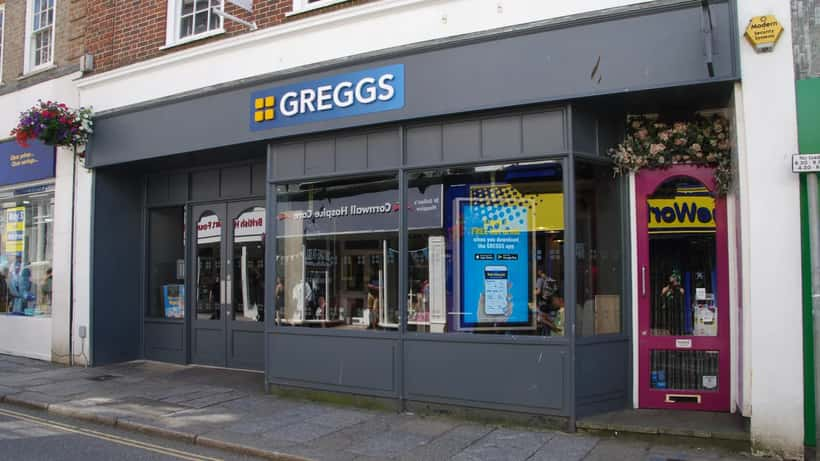
Greggs, Britain's largest bakery chain, is on a hiring spree. The company has confirmed plans to open 100 to 110 new UK shops in 2026 — part of a sweeping long-term strategy to grow its estate to 3,500 locations nationwide. With 144 vacancies currently live on its careers portal and thousands more expected as stores open through autumn and winter, the "greggs jobs" search term has spiked across the UK. Behind the immediate question — "where do I apply?" — lies a more important one that a wealth management consultant says most retail workers never think to ask: "How do I make this job work for my financial future?"
The Greggs Expansion: A Hiring Wave the UK Hasn't Seen in Years
The scale of Greggs' 2026 growth is extraordinary for a high street retailer. According to figures reported by British Baker, the company generated a £2.2 billion turnover in the year to January 2026 — a performance that has funded its most aggressive expansion phase in a decade. The plan includes not just traditional high-street locations but railway stations, airports, retail parks, hospitals, and university campuses, targeting footfall-heavy spots where demand for affordable, fast food is highest.
For workers, the implication is straightforward: Greggs is one of the most accessible employers in the UK right now. Entry-level shop-floor roles require no formal qualifications, offer flexible shift patterns, and are geographically distributed across virtually every city and major town. Accessibility, however, is not the same as financial security — and that distinction is exactly where expert guidance matters most.
What Does a Greggs Job Actually Pay in 2026?
The pay structure at Greggs in September 2026 breaks down as follows. Adult team members earn between £10.53 and £12.91 per hour, depending on experience and location weighting. Workers under 18 receive a starting rate of £11.03 per hour. Team Leaders, the first rung on the management ladder, are advertised at £13.40 per hour.
For context, the UK National Living Wage — the legal minimum for workers aged 21 and over — rose to £12.71 an hour from 1 April 2026, according to official UK government guidance on National Minimum Wage rates. Greggs' adult team member rate sits modestly above this statutory floor but below the voluntary Real Living Wage of £13.45, which the Living Wage Foundation calculates annually against the actual cost of living.
Working 25 hours a week at £12.62 per hour — a typical part-time retail arrangement — produces a monthly gross income of approximately £1,365. After National Insurance contributions and income tax (accounting for the standard personal allowance of £12,570), a worker on this contract takes home roughly £1,275 a month net. That figure, while manageable in parts of the UK, puts significant pressure on household budgets in cities like London, Birmingham, or Bristol, where average rental costs for a one-bedroom flat routinely exceed £1,000 per month.
What Wealth Experts Say About Retail Employment
Wealth management consultants who work with lower and middle-income earners broadly support retail employment as a financial foundation — but with clear-eyed caveats. The key risk they identify is not the starting wage itself, but the tendency for retail workers to underuse the financial benefits already available to them.
The most overlooked is automatic enrolment into a workplace pension. Since 2012, UK employers have been required to enrol eligible workers automatically — and Greggs is no exception. Workers aged 22 or over, earning above £10,000 a year from that employer and working in the UK, are enrolled by default. The employer must contribute a minimum of 3% of qualifying earnings; the employee contributes at least 5%.
This might seem modest, but the compounding effect over time is significant. A 24-year-old starting at Greggs in October 2026 who contributes the minimum 5% on a part-time salary and remains in retail employment for ten years could accumulate a pension pot worth between £8,000 and £14,000 before any investment growth — solely from compulsory contributions. Opted-in workers who increase contributions as their income rises improve that outcome substantially.
The second major benefit most retail workers underuse is the right to request flexible working from day one of employment — a right reinforced by the Employment Relations (Flexible Working) Act 2023. For workers balancing caring responsibilities, study commitments, or a second job, understanding this entitlement can be the difference between making retail work sustainably or burning out within months.
A Concrete Scenario: Starting at Greggs in October 2026
Consider a 26-year-old in Manchester who accepts a Greggs team member role starting on 1 October 2026, contracted for 30 hours per week at £12.62 per hour. Their gross annual income is £19,687. National Insurance contributions for the year amount to approximately £820; income tax liability, after the personal allowance, comes to around £1,423. Net annual income: approximately £17,444, or £1,454 per month in take-home pay.
By default, this worker is auto-enrolled in the Greggs pension scheme. Their 5% employee contribution reduces take-home pay by roughly £49 per month — but adds £49 to their pension pot. Greggs' mandatory 3% employer contribution adds a further £29 monthly. Every month, £78 enters their pension without any active decision required.
If they pass their probation period by March 2027 and are promoted to Team Leader at £13.40 per hour, gross annual income on 30 hours rises to £20,904. The net increase — approximately £95 per month — can be redirected into a Cash ISA, building towards a medium-term savings goal. A wealth management expert would typically advise a minimum of three months' living expenses in accessible savings before considering any investment vehicle: at £1,500 per month in outgoings, that is a £4,500 target a motivated Greggs worker could reach within 18 months of promotion.
This is not a scenario designed to make retail sound glamorous. It is a straightforward model of what disciplined financial behaviour looks like on a modest retail income — and it is within reach with the right expert guidance.
Five Actions a Wealth Expert Recommends Before Your First Shift
Wealth management professionals advising retail workers in 2026 cluster their recommendations around five practical actions.
Stay opted in to your pension. Opting out feels tempting when money is tight, but the employer contribution is effectively a pay increase you cannot access any other way. Opting out immediately forfeits Greggs' 3% contribution.
Check your tax code on your first payslip. Many retail workers do not know whether they are on an emergency tax code, which can result in months of overpayment. A brief check via HMRC's online portal — or a conversation with a financial consultant — takes minutes and can recover hundreds of pounds.
Open a Cash ISA or Lifetime ISA. Every UK resident has a £20,000 annual ISA allowance. Setting aside £50 per month builds a tax-free cushion at no cost. For workers hoping to buy a home, a Lifetime ISA adds a 25% government bonus on contributions up to £4,000 per year.
Understand the progression pathway. Greggs publishes internal development programmes for team members moving towards management. A Team Leader salary represents a meaningful uplift; a Shop Manager role typically falls in the £24,000–£30,000 band. Career progression is the single most effective financial lever available to retail workers.
Get a tailored financial health check. A one-hour consultation with a wealth management expert can review your income, pension contributions, tax position, and savings strategy simultaneously. It is the difference between hoping your finances improve and knowing exactly how they will.
What to Do Before You Click Apply
Greggs' 2026 hiring wave is a genuine opportunity for tens of thousands of UK workers. The jobs are real, the company is financially stable, and the wage is above the legal minimum. But the workers who come out of this period ahead are not simply those who get hired — they are the ones who understand the full financial picture of the role before they start.
If you are considering a Greggs application this autumn, take twenty minutes first to review your financial position: check your pension status if you are already employed elsewhere, calculate your projected take-home pay against your fixed costs, and identify one financial goal — however modest — that a new role could help you reach.
For a personalised strategy built around your employment situation, Expert Zoom connects you with accredited wealth management consultants who specialise in income planning for retail and hospitality workers. The conversation costs nothing to start and could be worth considerably more than your first pay rise.
For further background on how the April 2026 minimum wage rise affects retail pay across the sector, see our earlier report: UK minimum wage rises to £12.71 — what workers must know.
This article provides general financial information only and does not constitute personalised financial advice. For advice tailored to your circumstances, consult a regulated financial adviser.
