 Isobel Fraser
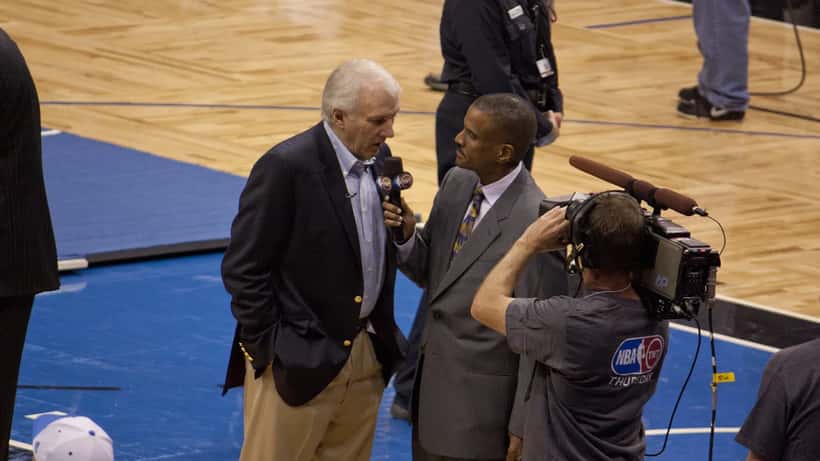
Gregg Popovich spent 29 seasons as head coach of the San Antonio Spurs — longer than many of his players have been alive. When he stepped down in 2025 following a mild stroke suffered in November, he moved into the role of President of Basketball Operations with an estimated $200 million in career coaching earnings behind him. The Spurs named assistant Mitch Johnson as his permanent successor under a multi-year contract.
For UK wealth managers watching the Spurs' extraordinary run to the 2026 NBA Conference Semifinals under their new coach, Popovich's transition tells a story beyond basketball. It is the story of what happens when one of sport's highest earners leaves a peak role unexpectedly — and what every high-earning professional in any field should take from it.
When a Health Event Ends a High-Earning Career
Popovich did not choose his timing. A mild stroke in November 2024 triggered the transition from which he never returned to the sideline. At 76, with five championships and 1,422 career wins, he was still under contract and still, by most accounts, capable of coaching — but unable to sustain the physical and cognitive demands of an NBA head coach role across a full season.
This scenario is far more common than the headlines make it seem, and it is not limited to elite sport. A partner at a law firm who suffers a cardiac event. A surgeon who develops an essential tremor. A senior executive whose cognitive reserve begins to change after 60. The financial implications of an unplanned exit from a high-earning role are significant, and the degree of preparation most professionals have made for that scenario is, according to wealth managers, generally inadequate.
The question Popovich's transition raises — whether you earn in pounds or dollars, whether you coach basketball or run a company — is simple: when your peak earning years end, suddenly and without the timing you had planned, what does the financial picture look like?
The Pension Window That High Earners Miss
In the UK, the pension annual allowance is currently £60,000 per year, meaning this is the maximum you can contribute to a pension annually and still receive full tax relief. For high earners — those with adjusted income above £260,000 — the allowance tapers down to as little as £10,000 under the tapered annual allowance.
As explained by HMRC's pension annual allowance guidance, unused allowances from the previous three tax years can be "carried forward" and used in a single year — a powerful tool for high earners approaching a significant reduction in income.
This means a professional who has not maximised their pension contributions in recent years may have a window, in their final years of peak earnings, to make substantial tax-advantaged pension contributions. But only if they act before the income — and the tax relief opportunity — disappears.
Popovich's stroke meant his window closed without warning. For everyone else, the question is whether they have identified that window and are using it deliberately.
Capital Gains and the Exit Timing Problem
High earners often accumulate significant investment portfolios, business interests, or property alongside their primary income. When they step down from peak roles, the tax implications of those holdings change.
Selling assets in a year when income is high — while still at the top of the earnings curve — may push capital gains into higher rate tax territory. In contrast, a year of lower income (post-retirement or part-retirement) can significantly reduce the effective rate on capital gains disposals.
A wealth manager can map this transition in detail: identifying which assets are best held, which are best disposed of before stepping down, and whether a phased exit from a high-earning role produces better financial outcomes than an abrupt one.
Popovich's decision to remain involved in the organisation — moving into a senior executive role rather than leaving the Spurs entirely — may have its financial parallels for professionals who step back from fee-earning or operational roles while retaining advisory positions, director fees, or equity stakes. Each of these arrangements has specific tax and pension implications.
Life Insurance and Income Protection: The Numbers Change
At the moment a high earner's employment or professional activity ends, several financial products that were calibrated for peak earnings become either inadequate or obsolete.
Life insurance purchased to protect a family against the loss of a £400,000 annual salary becomes over-insured when that salary disappears. Conversely, income protection policies that were meant to cover illness or injury may stop paying if the policyholder is no longer employed in the role that generated the insured income.
Reviewing these arrangements at the point of career transition — rather than years afterwards — can recover significant premium costs and ensure cover reflects actual current circumstances.
The Will That No Longer Reflects Reality
A will written at the height of a high-earning career — when assets were expected to grow, when a spouse's employment status was different, when children were younger — may not reflect the financial reality of a substantial exit payment, pension pot, or business sale.
UK solicitors and wealth managers consistently highlight estate planning as the most overlooked element of financial transition. A deed of variation, a change of trustee, or an update to beneficiary nominations can redirect significant assets more efficiently and in line with current wishes.
For anyone stepping back from a high-earning professional role — whether that transition is planned or health-forced — the window for estate planning review is now.
What Wealth Managers Recommend at Career Transition
UK wealth managers working with retiring professionals and executives advise addressing four areas before a significant career change:
- Pension carry-forward — identify unused allowances and maximise contributions while peak income continues
- Asset disposal planning — decide which holdings are best sold pre-exit versus post, based on income-year tax position
- Insurance review — recalibrate life cover, income protection, and critical illness policies to reflect changed circumstances
- Estate update — review wills, power of attorney, and beneficiary nominations against the new financial picture
The lesson from Gregg Popovich is not that high earners should fear an unexpected end to their careers — though they should take it seriously. It is that the financial preparation for that transition is most effective when it begins before the exit, not after. ExpertZoom connects UK professionals with wealth managers who specialise in high-earner career transitions, pre-retirement planning, and tax-efficient exit strategies.
