 Stephen Hall
Greenland 2: Migration — the post-apocalyptic survival sequel starring Gerard Butler and Morena Baccarin — has just landed on Prime Video in the UK, becoming available to stream this week after its US theatrical release in January 2026. The film, which follows the Garrity family across a shattered world five years after a comet strike devastated civilisation, is driving searches across Britain this weekend. But the question at its heart — could your family actually survive a large-scale emergency? — is considerably less fictional than most UK viewers might assume.
According to a 2025 survey commissioned by the UK Government, only 13% of British households feel largely or totally prepared for an emergency or natural disaster. A further 51% reported feeling slightly or not at all prepared. For a country whose national resilience framework now includes a dedicated public information campaign at prepare.campaign.gov.uk, the gap between official guidance and household reality is striking.
What Greenland 2 Gets Right About Disasters
The original Greenland (2020) earned considerable attention from emergency management professionals not for its spectacular comet-impact effects, but for something quieter: its portrayal of ordinary household failures that compound disaster at every turn. Families without emergency kits. No pre-agreed meeting points. Vehicles low on fuel. Important documents left behind. Medical supplies not packed. Each small gap in preparation cascades into a larger crisis.
The sequel, Migration, continues this thread — the Garrity family navigating a world where infrastructure has not recovered, where the absence of pre-made plans creates chaos, and where those who prepared fare demonstrably better than those who assumed the emergency would never arrive.
Emergency management professionals have noted that both films, despite their extreme premise, accurately depict the preparedness gap that exists in real households across developed countries. The UK is not an exception.
The Data Behind Britain's Unpreparedness
The UK Government's 2025 public risk perception survey produced statistics that read almost as if scripted for a disaster film:
- Only 13% of respondents felt their household was largely or totally prepared for an emergency
- 51% felt slightly or not at all prepared for a crisis scenario
- Only 47% had essential emergency items stored together in one place — such as a torch, a battery-powered radio, or written-down emergency contact numbers
- Only 19% recalled seeing or hearing any official advice about household preparedness in the previous 12 months
The Prepare campaign was launched by the UK Government to address exactly this awareness and readiness gap, providing scenario-specific guidance on flooding, fires, severe weather, power cuts, and other realistic events. Awareness of the campaign and its resources remains low.
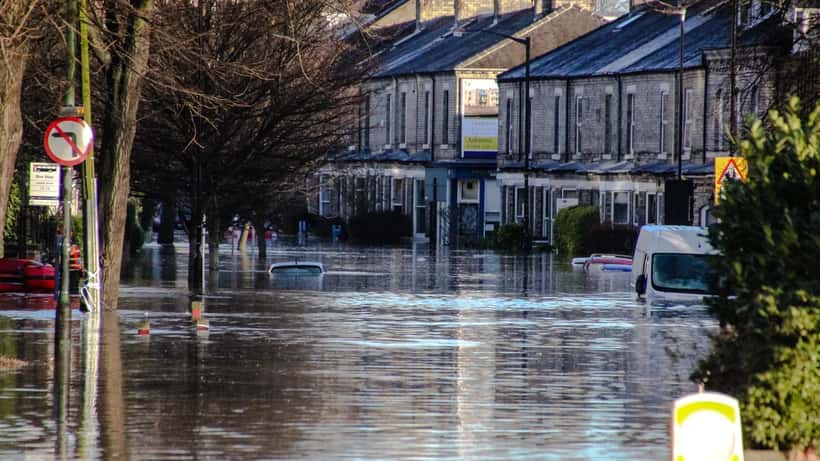
The UK faces a specific combination of realistic disaster scenarios: flooding (the country experienced 19 named storms between September 2024 and April 2025), extended cold-weather power disruptions, flooding-related infrastructure failures, and the occasional large-scale industrial incident. These are not remote possibilities — for many communities, they are recurring events.
What Every UK Household Should Have Ready
Home improvement and emergency preparedness specialists routinely identify the same basic gap across British homes: the absence of any consolidated emergency kit. In the scenario depicted in Greenland 2, protagonists are left scrambling for supplies that could have been assembled in an afternoon.
A minimum emergency kit for a UK household should include:
Core supplies (for a 72-hour period without external assistance):
- Torch with spare batteries or a hand-crank model
- Battery-powered or wind-up radio for emergency broadcasts — particularly during periods when internet and mobile networks are disrupted
- Three days of non-perishable food per household member
- Three litres of drinking water per person per day, stored in sealed containers
- First aid kit including any prescription medications your household regularly requires
- Copies of important documents: passports, insurance policies, property deeds, and GP records
- Cash in small denominations — card readers and ATMs fail during power cuts
- Phone charger with an external battery pack
For households in flood-risk areas:
- Purpose-made flood-protection barriers for door thresholds and airbricks — significantly more effective than sandbags and considerably easier to deploy quickly
- A flood bag: packed and accessible, containing the essentials above plus high-visibility clothing and a change of clothes per person
Checking whether your home is in a flood-risk area takes under two minutes on the Environment Agency website. Roughly one in six properties in England is currently at risk from some form of flooding — a figure that is increasing as weather patterns shift.
What a Tradesperson Can Tell You About Your Home's Resilience
An emergency kit addresses what you take with you. But what about the home itself? Qualified tradespeople carrying out routine maintenance work regularly identify structural issues that have a direct bearing on how a property performs under emergency conditions — issues that owners frequently defer or do not recognise as urgent.
Key areas worth professional assessment:
- Roof and guttering condition: Missing or cracked roof tiles significantly increase vulnerability to storm damage and subsequent water ingress. Blocked gutters — among the most common preventable causes of interior water damage — can cause thousands of pounds of harm during heavy rainfall within hours. A roofer or guttering specialist can assess both as part of a single visit.
- Window and door seals: Older seals allow significant water penetration in severe weather. During a flood event, even millimetres of gap can mean considerable internal damage. A joiner or specialist window fitter can assess whether re-sealing or replacement is warranted.
- Boiler and heating system: A boiler failure during a January cold snap or a prolonged winter power disruption is a genuine domestic emergency — particularly for households with elderly occupants or young children. Annual servicing by a Gas Safe registered engineer is both a regulatory expectation and a practical preparedness measure.
- Electrical installation condition: Older consumer units and wiring can be vulnerable in flooding scenarios and may not comply with current safety standards. An NICEIC-registered electrician can assess current risk before water or an emergency makes the assessment urgent.
The Thirty-Minute Preparedness Audit
Greenland 2: Migration runs for approximately two hours on Prime Video. Before pressing play, consider spending thirty minutes on the real version.
Check the Government's Prepare campaign to identify the specific scenarios most relevant to your area. Review your home insurance policy to confirm it covers your most likely risk scenarios — flooding, storm damage, fire — and note any exclusions or coverage caps. Identify what is missing from your emergency kit, and schedule any deferred home maintenance work that could amplify the impact of a foreseeable event.
None of this requires a bunker or a catastrophising mindset. It requires the same practical thinking that the tradespeople who maintain Britain's homes apply to every property they assess. The Garrity family's hardship in Migration is fictional. The preparedness gap it depicts is not.
ExpertZoom connects you with certified home improvement professionals — roofers, joiners, heating engineers, and electricians — who can assess your home's readiness for the emergencies that are actually likely to affect it.
