 Sophia Hamilton
The Green Party heads into the 7 May 2026 local elections with momentum few expected — a tripled membership, a landmark by-election victory in Gorton and Denton in February, and a Workers Charter that could reshape UK employment law if the party continues its rise. Here is what the proposals actually mean for workers and employers.
A Party Transformed
When Zack Polanski became Green Party leader in September 2025, the party had around 66,000 members. By May 2026, that figure has exceeded 200,000 — a remarkable transformation for a movement long associated with climate politics rather than economic policy.
The Gorton and Denton by-election in February 2026 was the inflection point. Hannah Spencer was elected with 41 per cent of the vote and a majority of over 4,000 — the Green Party's first Westminster by-election win. It demonstrated the party could now win in post-industrial seats far from its traditional strongholds in Brighton and Bristol.
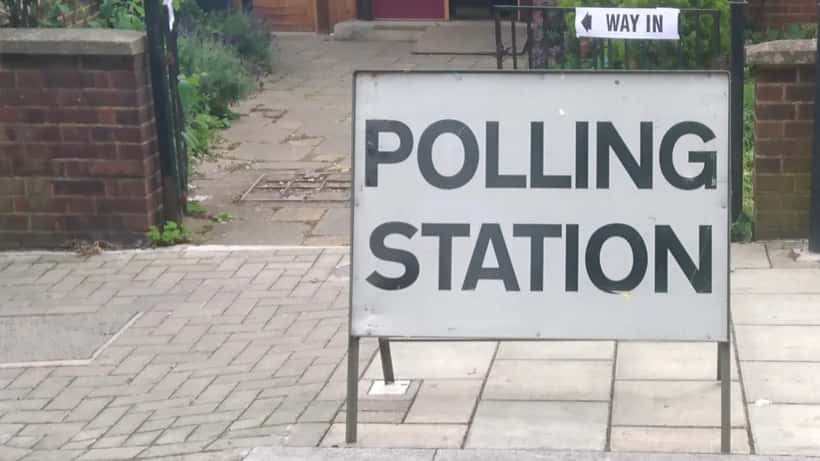
Tonight's local election results across England will reveal whether that momentum has translated into council gains.
The Workers Charter: What It Contains
The Green Party's 2026 Workers Charter, launched ahead of the local elections, sets out a platform that goes significantly further on employment rights than the current government's Employment Rights Bill. Key proposals include:
A £15 minimum wage for all workers, regardless of age, by April 2027. The current National Minimum Wage for workers aged 21 and over stands at £12.21 per hour, following the April 2026 uprating. The Green Party's proposal represents a 23 per cent increase within 12 months — a meaningful shift for sectors including retail, hospitality, care, and cleaning.
Elimination of the lower rates for younger workers. Currently, workers aged 18-20 receive a lower rate (£10.00 per hour), and under-18s are entitled to £7.55. The Greens propose a single flat rate for all adult workers, treating younger employees equally under the law.
Guaranteed rights from day one of employment. The Workers Charter calls for removing the qualifying period for unfair dismissal protection — currently two years' continuous employment under the Employment Rights Act 1996. Under the proposal, workers would have access to employment tribunal protections from their first day in a new role.
Stronger trade union rights. The Charter backs repealing restrictions on industrial action introduced since 2016 and extending collective bargaining rights.
What This Means If You Are an Employee
If you are currently earning between the National Minimum Wage and £15 per hour, the Green Party's proposals are directly relevant to your income. But beyond the headline figure, the most significant change would be day-one unfair dismissal rights.
Currently, employees in their first two years of employment can be dismissed without cause — provided the employer does not dismiss for an automatically unfair reason such as pregnancy, whistleblowing, or trade union activity. This creates a structural vulnerability that affects millions of UK workers, particularly those in probationary roles, fixed-term positions, or employment sectors with high turnover.
If the two-year qualifying period were removed, any dismissal would need to be justified on fair grounds: conduct, capability, redundancy, or some other substantial reason. Employers would need to follow a fair procedure in every case. Workers would have access to employment tribunals from day one.
If you have been dismissed in your first two years and believe the real reason was unlawful — for example, pregnancy, disability, race, or sex — current law already protects you. Automatically unfair dismissal claims carry no qualifying period. An employment solicitor can assess whether your dismissal falls into these protected categories regardless of your length of service.
What This Means If You Are an Employer
The Workers Charter would increase employment costs and legal exposure for businesses operating on low-margin models. A 23 per cent increase in the minimum wage within twelve months would have significant effects on payroll across hospitality, social care, retail, and warehousing.
Equally, day-one dismissal rights would change how employers manage underperformance and probationary periods. Robust documentation of performance issues from the outset — something currently best practice but legally optional in the first two years — would become essential.
Employment solicitors and HR advisors are well-placed to help businesses adapt. Reviewing your current employment contracts, disciplinary procedures, and probationary processes in light of a changing legislative environment is sensible planning regardless of which party holds power.
The Broader Legal Context
The Green Party's Charter sits within a wider moment of UK employment law reform. The current government's Employment Rights Bill, progressing through Parliament in 2026, already extends several day-one rights — including protection against unfair dismissal in certain circumstances and stronger rights for zero-hours workers.
The Greens would accelerate and deepen this direction of travel. Whether or not they win enough council seats tonight to shift national politics, the direction of UK employment law is clearly toward stronger worker protections and fewer qualifying thresholds.
According to GOV.UK's National Minimum Wage guidance, employers who fail to pay the correct minimum wage face penalties of up to 200 per cent of arrears owed, plus naming and shaming by the government. With minimum wage enforcement already increasing, the combination of higher rates and stricter compliance would raise the stakes for non-compliance significantly.
Taking Action Now
Whether you are an employee wanting to understand your current rights, or an employer preparing for a shifting regulatory landscape, specialist employment legal advice is available. An employment solicitor can review your contract, assess any potential claims, or audit your HR policies for compliance.
For further reading on how local election results are influencing housing and tenant rights law in 2026, see our analysis of UK local elections and housing rights.
ExpertZoom connects you with qualified employment lawyers and legal professionals across the UK who can advise on both current law and the direction of legislative change.
This article is for informational purposes only and does not constitute legal advice. Employment law questions specific to your situation should be addressed with a qualified solicitor.
