 Lucy Walsh
The 2026 Grand National takes place on Saturday, April 11 at Aintree Racecourse, with a maximum field of 34 horses competing over the world's most famous steeplechase course. But behind the excitement of race day lies a complex veterinary operation that few spectators ever see — and one that is quietly transforming how equine welfare is managed in elite racing.
A Race That Changed Its Safety Rules
The Grand National has faced intense scrutiny over horse fatalities in recent years: four horses died in both 2022 and 2023, followed by two in 2024 and two more in 2025. In response, racing authorities have implemented a series of reforms that mark a significant shift in how horse welfare is prioritised at the event.
Key changes implemented for 2026 include:
- Field size reduced to 34 runners (down from 40 before 2024), giving horses more room at each fence
- Minimum handicap rating raised to 130 (from 125), ensuring only fitter, more experienced horses qualify
- Landing areas levelled at Fence 11, one of the most statistically dangerous obstacles on the course
- The fourth-last fence lowered by two inches, reducing peak jump height at a point in the race where horses are most fatigued
- Flexible plastic birch materials used on fences instead of rigid timber, allowing horses to brush through without catastrophic impact
These changes were developed in consultation with racing vets, equine biomechanics specialists, and the British Horseracing Authority's welfare panel.
What the Pre-Race Vet Assessment Actually Involves
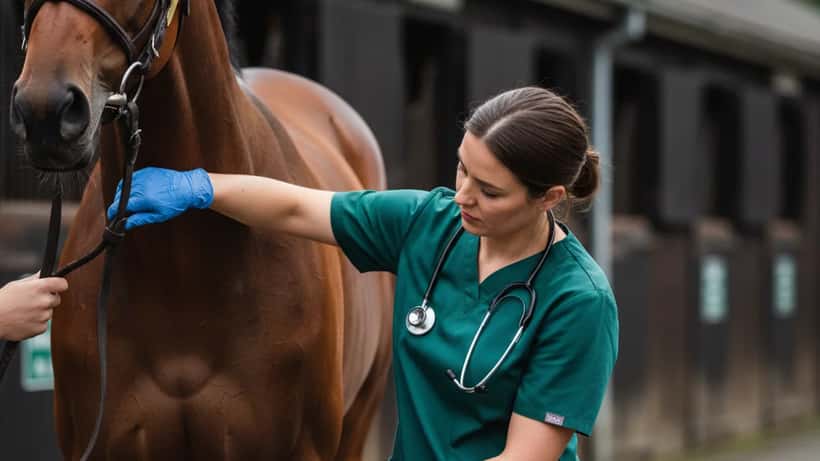
Every horse entered in the Grand National undergoes a structured assessment by the Grand National Review Panel before race day. This includes a thorough physical examination, a review of the horse's complete medication and treatment records, and an analysis of recent race performance.
On race morning, independent vets conduct a further pre-race check to confirm fitness. Horses showing signs of lameness, respiratory issues, or behavioural stress can be withdrawn — and this power sits with the vets, not the trainers or owners.
According to the British Horseracing Authority, horses competing at the highest levels undergo routine surveillance that includes post-race inspections, ongoing monitoring for lameness indicators, and mandatory reporting of all injuries.
This level of oversight reflects an important veterinary principle: racehorses operate at the edge of their physiological limits, making proactive monitoring essential rather than reactive.
What Racehorses Can Teach Us About Athletic Animal Care
The veterinary protocols used at the Grand National have direct relevance to everyday horse owners — and even to owners of other athletic animals. The core lessons apply broadly:
Baseline assessment before strenuous activity. Just as Grand National horses are assessed before racing, horses used for jumping, eventing, or even regular trail riding benefit from periodic soundness evaluations by a vet. Subtle lameness signs that a rider might attribute to tiredness can indicate early joint or tendon stress.
Weight and fitness management. The Grand National's minimum rating system exists partly because under-prepared horses are at higher injury risk. Overweight horses placed into demanding physical activity face similar risks — something equine vets encounter frequently in leisure horse populations.
Fatigue recognition. The most dangerous phase of the Grand National is not the start — it's the final four fences, when horses are fatigued and misjudge distances. Fatigue-related injuries in horses are often preventable with proper conditioning and veterinary guidance before demanding events.
Post-exercise recovery. Elite racehorses receive immediate post-race veterinary evaluation. In private horse ownership, post-exercise checks — particularly after cross-country, hunting, or long rides — are often skipped. Vets recommend at minimum a 24-hour observation period following intensive activity.
The Broader Debate: Can Equine Sport Be Both Competitive and Welfare-First?
The 2026 Grand National represents a genuine attempt to answer yes — but the debate is far from settled. Animal welfare organisations continue to call for further reductions in field size, fence height modifications, and ultimately question whether the economic incentives of elite racing are compatible with prioritising horse welfare.
Veterinary professionals working in equine sport tend to take a more nuanced position: well-managed athletic activity, with appropriate veterinary oversight, is not inherently harmful to horses. The comparison is often made to human athletes in extreme sports — the goal is risk reduction, not elimination.
What is not disputed is that the veterinary infrastructure surrounding elite equine sport has improved significantly in the past decade. Thermal imaging for muscle stress detection, GPS fatigue monitoring during training, and genetic screening for cardiac risk are now part of the toolkit available to racing vets.
When Should You Call an Equine Vet?
For horse owners watching the Grand National at Aintree, the event can serve as a timely reminder to review their own animal's health status. Signs that warrant a prompt veterinary consultation include:
- Intermittent or consistent lameness, even at a low grade
- Unexplained weight loss or changes in eating habits
- Reduced performance or unwillingness to work
- Swelling in limbs, particularly around joints or tendons
- Changes in breathing pattern during or after exercise
- Behavioural changes that suggest pain or discomfort
The 2026 Grand National's safety reforms show that even the most commercially driven equine events are now placing veterinary expertise at the centre of decision-making. For private horse owners, the bar should be no different.
