 Eleanor Stone
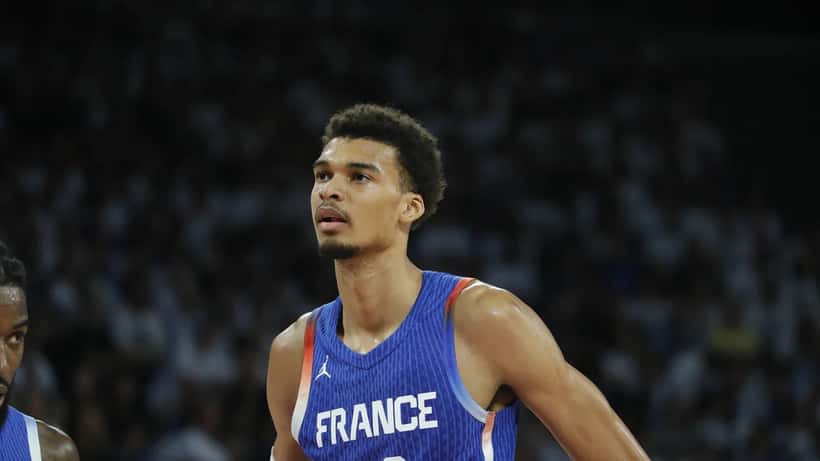
Victor Wembanyama set an NBA postseason record with 12 blocks in Game 1 of the Timberwolves vs Spurs series on 6 May 2026 — but the controversy is what the box score does not show. Minnesota head coach Chris Finch reviewed the tape after the game and concluded that at least four of those blocks should have been called as goaltending violations, potentially costing his team 8 points. The Timberwolves still won 104-102, but the controversy has reignited a fundamental question in professional sport: when officials get it wrong, what can teams and players actually do?
The Goaltend Rule and Why It Matters
In basketball, goaltending occurs when a defending player touches a ball that is on its downward arc toward the basket, or that is directly above the rim. When referees miss such a call, the attacking team is denied points they would legally have scored — with potentially game-changing consequences.
"It's a little alarming that none of them were called," Finch told reporters after the game. Rudy Gobert, who defended against Wembanyama all night, estimated the number at "probably three or four" and added drily: "I wish I had that type of treatment too." With Minnesota winning by just two points, the missed calls sparked a fierce debate about officiating accountability in the NBA — and raised uncomfortable questions about whether star players receive different treatment from referees.
Can a Team Formally Challenge a Referee's Decision?
In professional basketball, the short answer is: almost never after the final buzzer. NBA rules allow in-game challenges on certain reviewable plays — out-of-bounds calls, foul decisions — but goaltending is not among them. Once a game ends, the scoreline stands regardless of refereeing errors, and no formal mechanism exists to have the result overturned based on missed calls.
However, the sports world has institutions designed for broader disputes. At the international level, the Court of Arbitration for Sport (CAS) in Lausanne handles binding appeals from athletes and organisations who believe rules have been misapplied — from doping findings to eligibility rulings that affect livelihoods. Closer to home, Sports Resolutions is the UK's independent national sports dispute resolution body, offering arbitration and mediation services across a wide range of sporting disputes involving British athletes, clubs, and governing bodies.
What UK Sports Law Says About Officiating Errors
For British athletes, clubs, and even amateur competitors, understanding your rights when officials get it wrong is more relevant than many people realise.
Under UK law, sports governing bodies operate with considerable autonomy. Courts are generally reluctant to intervene in purely sporting decisions — a referee's judgment call during a match is not typically reviewable in civil proceedings. But there are important exceptions where UK courts and legal mechanisms can step in:
- Breaches of natural justice: If a disciplinary process was fundamentally unfair — for example, a ban imposed without a proper hearing or without giving an athlete the chance to respond — a UK court may intervene.
- Breach of contract: If a governing body violated its own published rulebook in a way that harmed a club or athlete, a civil claim may arise.
- Judicial review: For publicly funded sports bodies, decisions affecting athletes may be challenged through judicial review where public law duties are engaged.
A sports law solicitor can quickly assess whether a formal challenge has merit, or whether the better route is internal appeal, mediation, or simply accepting the decision and planning ahead.
A Wider Debate: Technology vs Human Judgment
The Wembanyama controversy is part of a broader and growing pattern. Sports at every level are grappling with how much to trust technology over human officials. England's Premier League introduced VAR to reduce errors, yet the system has become a source of ongoing controversy in its own right, with managers, clubs, and fans frequently questioning both the decisions and the transparency of the review process.
Cricket's Decision Review System allows teams to challenge umpiring calls on LBW and edged catches, subject to a limited number of reviews per innings. Rugby's Television Match Official reviews try decisions and dangerous play incidents. Tennis has replaced human line judges with electronic calling systems at the Grand Slams entirely.
Each sport is navigating the same tension: human referees and umpires provide speed and continuity, but they also make mistakes that can alter outcomes. The question of accountability — and what recourse exists when errors occur — is increasingly a legal as well as a sporting matter. In the UK, disputes over refereeing decisions, penalty calls, and VAR reviews have already generated formal complaints and arbitration proceedings at governing body level.
When Should You Consult a Sports Lawyer?
Not every bad refereeing call warrants legal advice. But some situations genuinely do. You should consider speaking to a sports law solicitor if:
- You or your club has been banned or suspended, and you believe the disciplinary process was procedurally unfair or the evidence was insufficient
- A governing body has applied its own rules incorrectly to your detriment, costing you prize money, ranking points, or a competition place
- You are an athlete facing doping allegations or eligibility challenges that could affect your career
- You have suffered financial loss or reputational damage as a result of a disputed ruling by a sporting authority
Legal advice does not always lead to court proceedings. Many sports disputes are resolved efficiently through internal appeals or mediation — but knowing your rights and options is the essential first step. Specialist solicitors in sports law operate across the UK and can advise on everything from amateur disciplinary cases to professional athlete contracts and regulatory challenges.
This article is for informational purposes only and does not constitute legal advice. For advice specific to your situation, consult a qualified solicitor.
The Record Will Stand — But the Conversation Won't Stop
Wembanyama's 12-block game will remain in the NBA record books. Whether four of those blocks were actually illegal goaltends may never be officially resolved. But the incident is a timely reminder that in sport, as in many areas of life, the decisions that most affect you are not always correct — and knowing how to challenge them effectively is a skill worth having.
