 Abigail Clarke
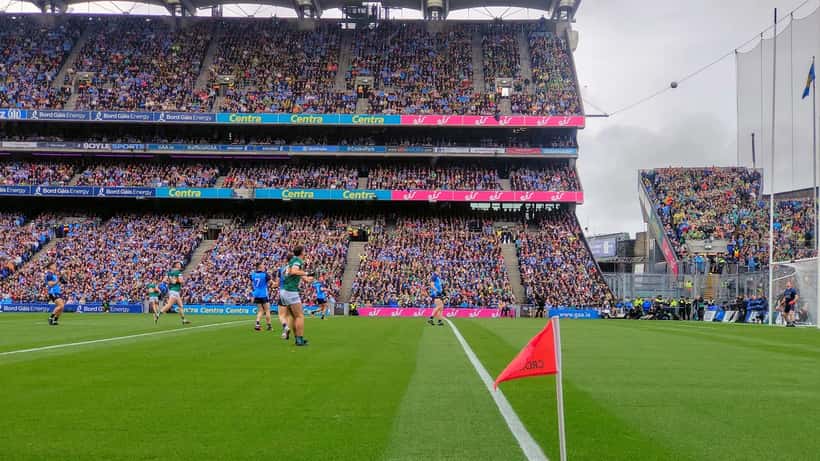
As the 2026 GAA All-Ireland Championship reaches its quarter-final stage — with today's draw (22 June) setting up the last eight — Gaelic football fever is spreading through every GAA club in Great Britain. Training sessions are packed. Boots are being laced up on fields from London to Glasgow. But with that surge of championship enthusiasm comes a surge in injuries that many amateur players are brushing off when they shouldn't be.
If you play GAA in Britain — or know someone who does — understanding the five warning signs that demand professional assessment could be the difference between a quick recovery and a season-ending problem.
The Injury Reality Behind the Championship Excitement
The 2026 All-Ireland Senior Football Championship is the 140th edition of the competition, and it has produced some of the most intense football in years. Kerry, the defending champions, head into the quarter-finals as favourites, while Dublin, Galway and Armagh have all shown they have the quality to go all the way.
But this championship-level intensity cascades down to local GAA clubs across Britain. When county players are leaving everything on the pitch, club players feel compelled to do the same — and that is where injuries happen.
Research published in the British Journal of Sports Medicine found that hamstring injuries account for a disproportionate share of soft-tissue damage in Gaelic football, while concussion incidents in contact play have prompted the GAA to introduce specific return-to-play protocols. The GAA Injury Benefit Fund processes thousands of claims annually from registered members who sustain injuries in training and competitive play.
Amateur athletes, unlike professional inter-county players, rarely have immediate access to physiotherapists or sports medicine specialists at the touchline. That makes it essential to recognise when your body is telling you that home treatment is not enough.
Sign 1: Any Head Knock That Causes Confusion, Dizziness or Memory Gaps
GAA football involves hard physical contact: shoulder-to-shoulder challenges, aerial collisions and accidental clashes of heads. If you or a teammate takes a blow to the head and experiences any confusion — even momentarily — that is a concussion until proven otherwise.
The GAA's return-to-play protocol requires players who display concussion symptoms to leave the field immediately and follow a stepwise recovery process over a minimum of six days. This protocol exists because second-impact syndrome — sustaining a second concussion before the brain has recovered — can have permanent consequences.
A sports medicine specialist can carry out a formal assessment using standardised concussion tools, advise on safe return-to-play timing and rule out more serious intracranial injury. Do not try to "run it off." Do not return to play the same day. See a specialist if symptoms persist beyond 24 hours.
Sign 2: Hamstring Pain That Peaks During Sprinting and Does Not Ease Within 72 Hours
The explosive running patterns in Gaelic football — short sprints, direction changes, high catches — place enormous strain on the hamstrings. A sudden sharp pain in the back of the thigh during a sprint is the classic presentation of a hamstring tear.
Minor grade-one strains may respond to rest, ice and gentle stretching. But if you cannot walk without a noticeable limp, if the pain is worsening rather than easing after 48 to 72 hours, or if there is significant bruising tracking down the back of the leg, you are likely dealing with a grade-two or grade-three tear that needs imaging and specialist management.
Returning too early from a hamstring injury dramatically increases the risk of re-injury. A sports medicine specialist will use ultrasound or MRI to grade the tear precisely and create a rehabilitation timeline that gets you back safely — not just quickly.
Sign 3: A Knee That Swells Within Hours of Impact
Swelling in the knee that appears rapidly — within one to two hours of an injury — is called a traumatic haemarthrosis and almost always indicates significant damage inside the joint. Common culprits in GAA players are anterior cruciate ligament (ACL) tears and meniscus injuries, both of which can occur when the foot plants and the player twists.
If your knee swells significantly after a match or training session, that is not something to elevate and ice and hope for the best. You need an urgent assessment, ideally including MRI, to determine whether surgical intervention is required. Early diagnosis of ACL damage changes the outcome significantly. Do not wait weeks to be seen.
Sign 4: An Ankle That Has "Gone" More Than Once This Season
Ankle sprains are the most common acute injury in field sports. The first time an ankle rolls outward during a tackle or awkward landing, ligaments are stretched or partially torn. If adequate rehabilitation does not follow — and in amateur sports it often does not — the ankle becomes chronically unstable.
If you have rolled the same ankle twice or more this season, or if your ankle feels unreliable on uneven ground, that chronic instability needs proper assessment. A specialist can identify whether the lateral ligaments have healed adequately, whether proprioceptive (balance) training is needed, or whether the joint requires surgical stabilisation. Playing on an unstable ankle risks cartilage damage that becomes an arthritis problem in your forties.
Sign 5: Shoulder Pain That Limits Arm Raising After a Fall
Shoulder injuries in GAA most commonly involve the acromioclavicular (AC) joint — the joint at the top of the shoulder where the collarbone meets the shoulder blade. A fall onto an outstretched arm or a direct hit to the shoulder can sprain or separate this joint.
If you cannot raise your arm above shoulder height after a fall, if there is a visible bump or step at the top of the shoulder, or if pain is persistent and worsening rather than improving after a week, book a specialist appointment. AC joint separations are graded from one to six in severity, and higher-grade separations may require surgical repair.
When Amateur Enthusiasm Needs Expert Support
The GAA championship season is one of the most exciting times of the sporting year for the Irish community across Britain. The passion that drives amateur players to give everything on the pitch is admirable — but it should not come at the cost of long-term health.
According to the NHS guidance on sports injuries, serious injuries that are not properly managed can lead to lasting damage and chronic pain. If you are experiencing any of the five signs described above, a qualified sports medicine specialist can provide the diagnosis and structured rehabilitation plan your injury actually needs.
On Expert Zoom, you can consult with registered health professionals — including sports medicine specialists and physiotherapists — online or in person, without waiting weeks for an NHS referral. The 2026 GAA All-Ireland Championship has weeks of football left. Getting the right assessment now means you have a real chance of playing your part in it.
Health disclaimer: This article provides general information only and does not constitute medical advice. If you are in doubt about the severity of an injury, seek professional medical assessment promptly.
Related: Ireland face the All Blacks: the concussion risks every rugby fan should understand
