 John Green
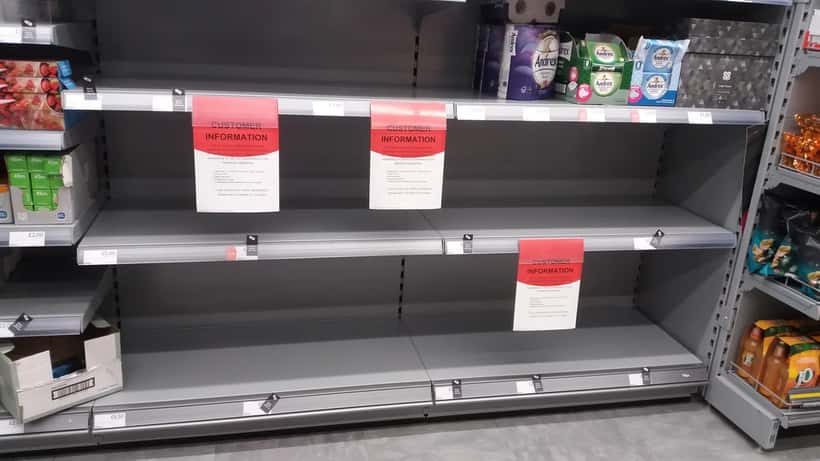
UK supermarket shelves have seen sporadic gaps in fresh produce since early April 2026, with strawberries, raspberries, avocados, and peppers in short supply at Tesco, Asda, Sainsbury's, Lidl, and Morrisons. The immediate cause is catastrophic weather in Spain and Morocco — up to 40,000 hectares of farmland hit by storms and floods — but experts warn the problem runs far deeper than this season's harvest.
What Is Causing the Shortages Right Now?
The UK imports a significant proportion of its fresh fruit and vegetables from Spain and Morocco, particularly during winter and early spring. Severe storms and flooding across these growing regions in early 2026 have devastated crops, disrupting deliveries just as UK consumers are expecting better availability of seasonal produce.
At the same time, the University of York's February 2026 study, co-authored by 39 food system experts, warns that the UK food system is dangerously exposed to a wider range of threats. The report, published in the journal Sustainability, identifies three primary crisis triggers: international conflict (which drives up energy prices and disrupts supply chains), cyber-attacks on major retailers like M&S and Co-op, and extreme weather events of exactly the kind currently affecting European suppliers.
The researchers found that "long-standing structural issues are leaving the UK dangerously exposed" — including over-reliance on fragile, just-in-time supply networks and persistent workforce shortages across the food sector.
Why This Matters for Your Household Budget
For most UK families, the immediate impact of food shortages is higher prices. When supply contracts and demand stays constant, supermarkets — and ultimately consumers — absorb the cost. Analysts tracking retail price inflation expect that the current disruptions will push fresh produce prices noticeably higher through spring 2026, particularly for imported salad vegetables, berries, and tropical fruit.
This comes at a challenging moment. The UK cost of living has remained elevated following several years of post-pandemic inflation, and many households are still adjusting to higher mortgage rates, utility bills, and commuting costs. For low-income households in particular, any significant rise in food prices can quickly tip a careful budget into deficit.
There are also secondary risks. The University of York report highlights that shortages can trigger increases in food fraud — counterfeit or mislabelled products entering the supply chain as genuine supply shrinks. Consumers on tight budgets who turn to discount channels or online marketplaces may be particularly exposed.
How to Protect Your Household Finances During a Period of Food Inflation
The good news is that food inflation, even when significant, is one of the more manageable forms of cost pressure — because spending in this category is highly adjustable. Here are the steps most effective in protecting your household:
Switch proteins and produce flexibly. When specific items become scarce or expensive, pivot to alternatives with stable supply. British-grown seasonal vegetables (root vegetables, brassicas, leeks) are far less affected by import disruptions than Spanish salad crops. Frozen produce retains most nutritional value and is rarely subject to the same supply shocks as fresh.
Review your household budget as a whole. A period of food price pressure is a good trigger to review all your discretionary spending — not just the food aisle. Energy contracts, insurance renewals, and subscriptions often contain room for savings that can offset higher grocery bills.
Build a small emergency food buffer. Buying small quantities of shelf-stable staples (dried pulses, pasta, tinned goods) over several weeks is a low-cost way to insulate your household against short-term shortages without panic-buying.
Understand the difference between a shortage and a price spike. Not all the items currently on short supply will remain scarce — the situation in Spain and Morocco is weather-driven and will ease as growing seasons progress. Avoid large speculative purchases based on current shelf gaps.
When to Speak to a Financial Adviser
If food inflation is the straw that has broken your budget — or if you are noticing that multiple cost pressures are converging and you can no longer manage your monthly outgoings comfortably — it may be worth speaking to a qualified financial adviser.
An independent financial adviser can help you review your overall financial position, identify areas of inefficiency in your spending or savings, and advise on debt management if required. Many people consult an adviser only in a crisis, but a proactive review during a period of rising costs can prevent matters from becoming significantly worse.
The structural issues identified in the University of York report — workforce shortages, over-reliance on fragile supply chains, climate vulnerability — are not going to be resolved quickly. The UK Government has committed to reviewing food security policy, but meaningful improvements will take years. In the meantime, households that plan proactively are better positioned to absorb shocks as they arrive.
If you are concerned about how rising food prices and broader cost-of-living pressures are affecting your financial position, speaking to a wealth management or financial planning specialist is a practical first step.
