 Amelia Davies
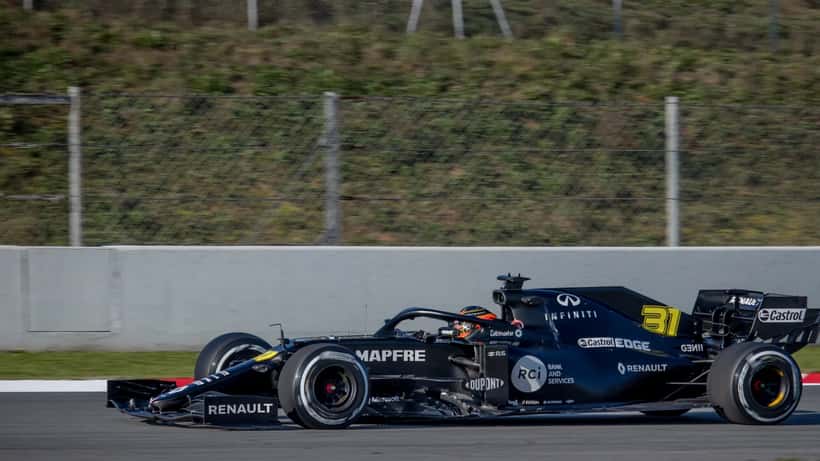
Esteban Ocon's 2026 Formula 1 season has taken a dramatic turn. Reports emerged in May 2026 that the French driver faces a potential mid-season exit from the Haas team, following an alleged fallout with team principal Ayao Komatsu after the Miami Grand Prix. While Komatsu emphatically rejected the claims — describing them as "absolute bullshit gossip" — and Ocon himself denied any rift, the controversy raised a sharp legal question: can an F1 team actually terminate a driver's contract mid-season, and what happens when they try?
The answer lies at the intersection of sports contract law, commercial arbitration, and the unique regulations of the FIA World Championship — and it matters far beyond the paddock.
What the 2026 Haas Situation Actually Shows
Ocon has struggled in the early stages of the 2026 season, scoring just a single point from his P10 finish at the Japanese Grand Prix, while teammate Ollie Bearman has accumulated 17 points across the same races. This performance gap has fed media speculation about Haas reassessing its driver lineup.
However, speculation and legal reality are very different things. F1 driver contracts are multiyear commercial agreements between the driver (typically via a personal service company), the team (the Constructor), and in some cases, the FIA Concorde Agreement framework. Breaking those contracts mid-season involves significant legal and financial consequences for both parties.
Can an F1 Team Terminate Mid-Season?
In theory, yes. Most professional sports contracts contain performance clauses and conduct clauses that allow termination for specific reasons — persistent underperformance, gross misconduct, or breach of specific contractual obligations. However, these clauses are carefully worded, and "not performing as well as your teammate" rarely meets the threshold.
For a valid mid-season termination to hold up:
- The contract must contain explicit performance metrics that the driver has demonstrably failed to meet
- The team must follow any notice and remedy procedures specified in the agreement
- The driver must have been given reasonable opportunity to address any issues raised
- The termination must not be pretextual — courts and arbitration panels look behind stated reasons
F1 disputes are typically resolved through private arbitration — usually via the FIA's own dispute resolution mechanisms or independently agreed-upon arbitration clauses — rather than public court proceedings. This keeps sensitive commercial details out of the public domain but does not make the process any less legally rigorous.
The Driver's Protections
From the driver's perspective, several significant protections apply.
Wrongful termination claims: If a team terminates a contract without valid contractual grounds, the driver can claim damages representing the full remaining contract value — including base salary, performance bonuses, and in some cases, image rights payments.
Reputational harm: Where media speculation is fuelled by — or originates from — leaks attributed to team sources, a driver may have grounds for defamation or breach of confidence claims if the information was confidential and the reporting caused measurable harm to their commercial interests. Ocon himself noted that the reports had "negatively impacted his sponsors, his family, and everyone around him."
Sponsorship protection: Driver contracts often include clauses that protect sponsorship commitments separately from the primary racing contract. If Ocon carries personal sponsors on his car and/or race suit, those sponsors have contracts with him directly — not Haas — and a mid-season termination could trigger compensation obligations to those sponsors from the team.
What Happens to Replacement Drivers?
A separate but equally important legal question: who fills the seat? Under FIA regulations, a team must always have a valid, registered driver for each race. Any replacement must hold a valid Super Licence, comply with FIA eligibility requirements, and meet the commercial terms agreed with the Constructor.
Signing a replacement mid-season is a legally complex process. Reserve drivers typically hold agreements that include activation clauses triggered in specific circumstances — injury, underperformance, or mutual agreement. The reserve's management team will negotiate activation fees, salary uplift, and potentially a guarantee of races before signing.
What This Means for Sports Contracts Beyond F1
The Ocon situation is an extreme but illustrative example of what happens in any professional sports contract when performance expectations and contractual commitments diverge. The same legal dynamics apply to Premier League managers on fixed-term deals, professional athletes with commercial sponsors, and even esports professionals under multiyear team contracts.
According to official guidance from GOV.UK on employment contracts and conditions, where a contract exists and one party seeks to end it before its natural conclusion, the terminating party must either point to a valid contractual right or negotiate a mutually agreed settlement. Unilateral termination without contractual basis exposes the terminating party to a damages claim for the full remaining value of the agreement.
A sports lawyer specialising in commercial contracts can assess whether any performance clause in a client's agreement is legally enforceable as written — and in many cases, advise on negotiating exits that protect both parties' commercial interests without litigation.
The Bigger Picture for Athletes
Esteban Ocon's public denial, combined with Komatsu's equally emphatic rebuttal, suggests the most likely outcome is that the 2026 season continues as contracted. But the incident highlights a reality all professional athletes and their agents must understand: performance speculation in the media and legal termination rights are entirely separate issues.
No team can simply decide to replace a driver because a journalist wrote that the relationship is strained. Contracts require valid grounds, proper process, and usually a negotiated exit package. Understanding this distinction — and having specialist legal representation in place before any dispute escalates — is the single most important protection any professional in sport can have.
This article is for informational purposes only and does not constitute legal advice. For guidance specific to your circumstances, consult a qualified sports law solicitor.
