 Amelia Ward
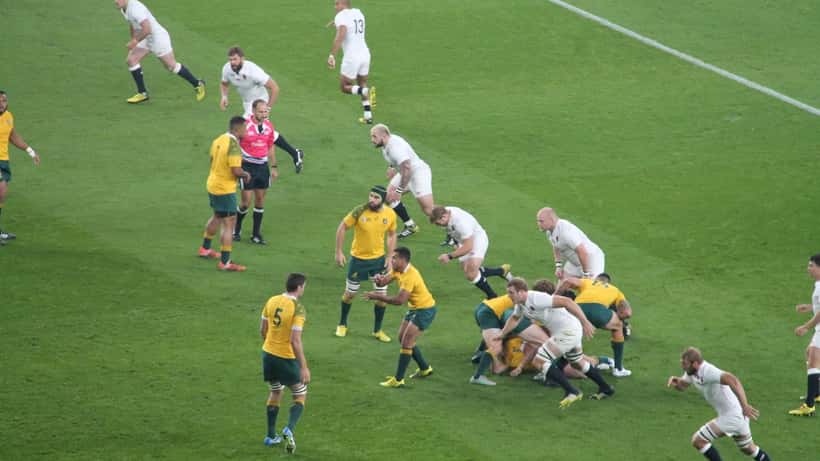
England will face Australia at Twickenham on Sunday 8 November 2026 in one of the most anticipated fixtures of the inaugural Nations Championship. With kick-off scheduled for 15:10 and tickets already at limited availability, the rivalry promises the bone-shaking physicality that has defined this fixture for decades. Yet as both teams prepare for autumn combat, the spotlight on rugby's concussion crisis burns brighter than ever.
The Nations Championship Brings New Stakes
The 2026 Autumn Internationals mark a structural revolution in international rugby. The new Nations Championship replaces the traditional November Test series with a formalised league format. England's autumn pool at Allianz Stadium Twickenham includes Australia on 8 November, Japan on 14 November and New Zealand on 21 November.
For England, the Australia fixture carries particular historical weight. The Wallabies have inflicted painful defeats on English soil, not least the 2015 World Cup pool-stage demolition. The November 2026 fixture offers Steve Borthwick's side an opportunity for redemption at home.
Ticket demand reflects the fixture's magnitude. RFU-affiliated clubs reported limited availability for England versus Australia as early as January 2026. General sale tickets are expected to sell out rapidly.
Why Concussion Dominates Rugby's Health Agenda
The physical intensity of England versus Australia fixtures has produced some of rugby's most memorable collisions. Those collisions carry neurological risk. World Rugby has confronted mounting evidence that repeated head impacts can cause chronic traumatic encephalopathy and early-onset dementia.
Professor Jon Patricios, sports concussion consultant to World Rugby and co-lead author of the 2023 International Consensus Statement on Concussion in Sport, has spent two decades at the forefront of this research. The 2023 consensus statement, the most cited paper in sports medicine during 2024, established clear protocols for recognising and managing concussion. Yet implementation remains inconsistent across countries. For amateur players inspired by the November internationals, understanding these protocols can mean the difference between safe recovery and permanent damage.
What Happens to the Brain During a Rugby Collision
Concussion is a traumatic brain injury caused by a blow to the head or body that forces the brain to move rapidly within the skull. In rugby, this typically occurs during tackles, rucks or accidental collisions. The injury disrupts brain function temporarily, producing symptoms that range from headaches and dizziness to memory loss and mood changes.
Research published in the British Journal of Sports Medicine demonstrates that concussion is not merely a structural injury but also a metabolic one. Brain energy metabolism becomes disrupted following impact, creating a window of vulnerability where additional impacts can cause disproportionate harm.
The concept of subconcussive impacts has added further complexity. These blows do not produce immediate concussion symptoms but may accumulate over a career to produce long-term neurological damage. Studies of former professional rugby players have found elevated rates of early-onset dementia compared with the general population.
Recognising Concussion: The Red Flags
World Rugby's Head Injury Assessment protocol mandates that any player suspected of concussion must leave the field immediately for evaluation. However, symptoms do not always appear instantly. Delayed onset is common, with some players reporting symptoms hours or days after impact.
Key warning signs include persistent headache, confusion, difficulty concentrating, balance problems, nausea, and sensitivity to light or noise. In children, symptoms may present differently, with irritability and sleep disruption more prominent.
The critical rule is simple: when in doubt, sit it out. Returning to play before the brain has fully recovered exposes the injured player to second-impact syndrome, a potentially fatal condition where a second head injury occurs before the first has healed.
The Six-Stage Return to Play Protocol
World Rugby mandates a minimum six-stage return-to-play process for any player diagnosed with concussion. Stage one requires complete physical and mental rest for at least 24 hours. Stage two permits light aerobic exercise such as walking or stationary cycling. Stage three introduces sport-specific exercise without head impact. Stage four adds progressive resistance training and more complex movement patterns. Stage five permits normal training activities including contact. Stage six clears the player for competitive match participation.
Each stage must last at least 24 hours, and the player must remain symptom-free throughout. If symptoms recur at any stage, the player must drop back to the previous stage and begin again. This protocol typically keeps a concussed player out of competition for a minimum of one week, though professional players often require longer.
Protecting Young Players in England's Rugby Heartlands
The England versus Australia fixture will inspire thousands of young players across England to take up or intensify their rugby participation. Schools and clubs from Cornwall to Northumberland will see renewed interest in the sport. This enthusiasm must be matched by rigorous safety standards.
The Rugby Football Union mandates that all coaches working with players under 18 complete concussion awareness training. Parents should verify that their child's club adheres to these requirements. Schools should have clear protocols for managing suspected concussion and accessing emergency care.
Community rugby in England has adopted reduced-contact formats for younger age groups. The RFU's Age Grade Rugby guidelines limit contact intensity in training for players under 16, recognising that developing brains may be more vulnerable to lasting damage.
When to Seek Expert Medical Advice
Anyone who experiences a head impact during rugby should seek medical evaluation, even if initial symptoms appear mild. General practitioners and accident and emergency departments can assess acute injuries, but persistent or complex cases benefit from specialist referral.
Sports medicine physicians with concussion expertise can provide comprehensive evaluation using neurocognitive testing and balance assessment. For players experiencing prolonged symptoms beyond two weeks, referral to a multidisciplinary concussion clinic may be appropriate. These clinics typically combine neurology, physiotherapy and sports medicine expertise.
The costs of specialist concussion care can be significant for amateur players. Private medical insurance may cover specialist referrals, but policy terms vary widely. Players and parents should review their coverage before the season begins.
Looking Ahead to November
England versus Australia at Twickenham will deliver the spectacle, passion and physical commitment that make rugby union one of Britain's most beloved sports. The Nations Championship adds competitive structure to what was already one of the most compelling rivalries in international sport.
For spectators, the match offers an opportunity to witness elite athletic performance at close range. For players at every level, it serves as a reminder that rugby's greatest challenge is not the opponent across the scrum, but the long-term preservation of brain health in a sport that demands repeated physical collision.
Disclaimer: This article provides general health information about sports-related concussion. It does not constitute medical advice. Anyone who has sustained a head injury should consult a qualified healthcare professional for personalised assessment and treatment.
