 Grace Davies
Emma Willis, one of Britain's best-known TV presenters, turned 50 on 18 March 2026 — and she looks stronger than ever. Her birthday sparked nationwide conversation about what it really means to stay healthy in your fifth decade, and what the science says about longevity at midlife.
Why Emma Willis Is Trending at 50
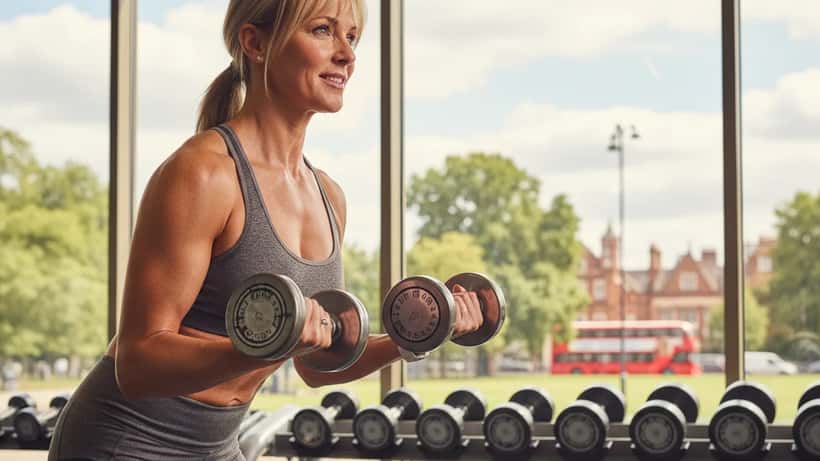
The Big Brother and Voice presenter marked her milestone birthday with a high-profile celebration at Old Sessions House in Clerkenwell, London, attended by Rylan Clark, Dermot O'Leary, Tamzin Outhwaite and Tom Allen. More than the party, however, it was Willis's physical condition that captured public attention. In interviews published in late March 2026, she credited her lean, muscular physique to a consistent strength training regimen she has prioritised for years — one specifically designed for longevity as she ages. She also launched a new BBC Radio 2 show in January 2026, airing every Saturday from 1pm to 3pm, further cementing her place in the public eye as she enters her fifties.
What Happens to Your Body at 50 — and What Experts Say
Turning 50 is not just a calendar milestone. According to guidance from the National Health Service, adults in their fifties face measurable physiological changes that make proactive health management increasingly important. From age 40 onwards, adults lose approximately 3–5% of muscle mass per decade — a process called sarcopenia. By 50, this translates to real functional consequences: reduced strength, slower metabolism, and greater injury risk.
The good news is that the evidence strongly supports resistance training as the single most effective intervention. A 2024 meta-analysis published in the British Journal of Sports Medicine found that strength training at least twice per week reduced all-cause mortality risk by up to 23% in adults aged 50 and over. Willis appears to have internalised exactly this approach, combining compound lifts with consistent weekly routines.
Beyond exercise, specialists recommend regular health screenings starting at 50. These include blood pressure checks, cholesterol panels, bowel cancer screening (offered by the NHS to all adults aged 50–74), and for women, mammograms and discussions around menopause management. For men, prostate health assessments become increasingly relevant.
The Midlife Blindspot: Why Many People Wait Too Long
Despite the clear evidence, many adults in their fifties delay seeing a doctor until symptoms become impossible to ignore. A GP or private health consultant can help you build a personalised health roadmap — going beyond the standard annual check-up to address hormonal shifts, sleep quality, cardiovascular risk factors, and bone density.
The menopause transition, typically beginning in the late forties, affects over half the UK population and can have significant impacts on cardiovascular health, bone density, and cognitive function. Yet according to research by the Menopause Charity, published in January 2025, fewer than 40% of women over 50 had spoken to their GP about menopause management options within the past two years.
For men, testosterone levels begin declining from around age 40 at a rate of approximately 1–2% per year. By 50, this can manifest as fatigue, reduced concentration, weight gain, and mood changes — symptoms often dismissed as "just ageing" but increasingly treatable with appropriate medical support.
What a Health Expert Can Do for You at 50
A specialist consultation at 50 is not about alarming diagnoses. It is about a proactive review of your current health status, your family history, and a tailored plan for the decade ahead. This might include:
- A full blood panel assessing cholesterol, blood glucose, thyroid function, and vitamin D levels
- A cardiovascular risk assessment, particularly relevant given that heart disease remains the leading cause of death in the UK for both men and women
- A bone density assessment if you have risk factors for osteoporosis
- Personalised advice on nutrition, sleep hygiene, and exercise programming
- For women: menopause assessment and treatment options (including HRT)
- For men: testosterone and prostate health assessment
Emma Willis has spoken openly about how consistent professional guidance — alongside personal discipline — has shaped her approach to ageing. Her story resonates because it demonstrates that 50 is not a physical decline point, but a pivotal moment to invest more intentionally in your wellbeing.
Your Next Step: Don't Wait for Symptoms
The common mistake is waiting for something to go wrong before seeking specialist support. At 50, many of the most impactful health decisions — from starting a strength training programme to reviewing hormonal health — are most effective when made early, before symptoms develop.
If you are approaching or have recently passed 50 and want a professional review of your health, consider booking a consultation with a health specialist through ExpertZoom. A doctor or health advisor can help you understand your individual risks, review your lifestyle, and create a practical plan that fits your life — not a generic checklist.
Because the best time to prioritise your health at 50 is before you feel like you need to.
This article is for informational purposes only and does not constitute medical advice. Always consult a qualified healthcare professional for personalised guidance.
