 Eleanor Vaughan
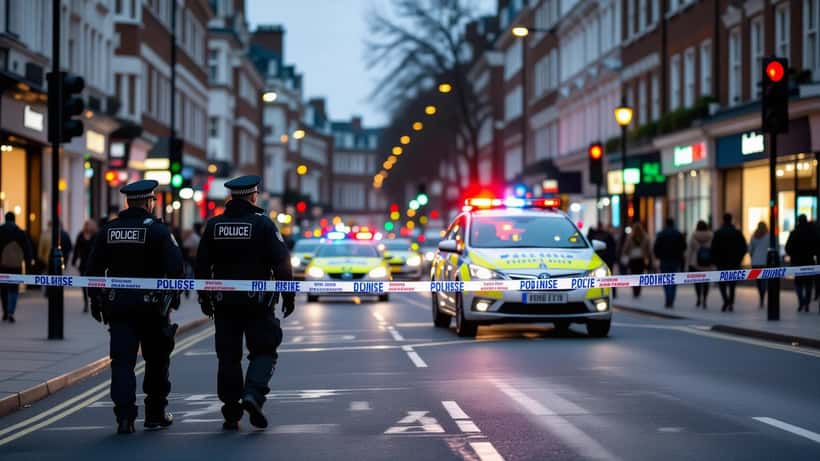
In the early hours of 4 January 2026, a triple stabbing on Edgware Road left three men hospitalised, one with life-threatening injuries and another with injuries described as life-changing. The Metropolitan Police closed the busy West London thoroughfare for around 33 hours while forensic teams examined the scene and detectives appealed for witnesses. As the investigation continues, those affected need clear, practical guidance on their legal rights and support options.
Understanding the legal landscape early can make a significant difference to recovery, compensation and accountability. This article sets out the key rights and support routes for anyone affected by the Edgware Road stabbing, drawing on parallels with recent cases and wider policing reforms.
What happened on Edgware Road?
Police were called to Edgware Road shortly after 12:50 am on Sunday, 4 January 2026, following reports of multiple stab wounds. Three men were treated at the scene by paramedics before being taken to hospital. A man in his twenties remained in a life-threatening condition, a second man in his thirties sustained life-changing injuries, and a third man in his twenties was treated for less serious wounds. No arrests had been made at the time of writing, and the Metropolitan Police asked anyone with information to call 101 quoting crime reference 293/04JAN or to contact Crimestoppers anonymously.
The road closure between Connaught Street and George Street, together with diversions affecting several bus routes, caused disruption across the area for more than a day. For local businesses, commuters and residents, the incident was a stark reminder that violent crime can ripple far beyond those directly injured.
Legal rights for victims of violent crime
Victims of violent crime in England and Wales have a number of statutory rights and compensation routes. The most widely used is the Criminal Injuries Compensation Authority (CICA), a government-funded scheme that pays compensation to blameless victims of violent crime, including those injured in stabbings, shootings and assaults. Claims must usually be made within two years of the incident, although extensions can be granted in exceptional circumstances, for example where the victim was a child or where evidence emerges later.
CICA awards are tariff-based and depend on the nature and severity of the injury. They can also cover loss of earnings, special expenses and, in fatal cases, bereavement payments for qualifying relatives. Importantly, a claim can proceed even if nobody has been arrested or convicted, because the scheme is not dependent on a criminal prosecution. Victims should report the incident to the police as soon as possible and obtain a crime reference number, which is required for any CICA application.
In addition to CICA, victims may have a civil claim against an identifiable attacker or, in some circumstances, against a third party whose negligence contributed to the incident. Civil claims can sometimes produce higher awards than CICA, but they require proof of liability and the defendant must have the means to pay, either personally or through insurance. A solicitor experienced in personal injury and criminal injuries claims can advise on the best route.
Recent cases have shown how important it is for victims' families to understand these rights. The Valdo Calocane inquiry highlighted gaps between criminal justice outcomes and bereaved-family support, while the Woolwich shooting demonstrated the legal options open to victims of street violence. Although every case differs, the underlying principle is the same: victims do not have to navigate the aftermath alone.
Support for witnesses and bystanders
Witnesses to violent crime are often overlooked, yet they can experience significant trauma, anxiety and disruption. In serious cases such as the Edgware Road stabbing, witnesses may be asked to provide a statement, attend an identification procedure or give evidence in court. The Witness Care Unit and charities such as Victim Support offer practical and emotional support throughout the process.
Witnesses can request special measures in court, including screens, live links and anonymised evidence. They also have the right to be kept informed about the case if they are a victim, and often if they are a prosecution witness. Anyone struggling with the psychological impact should seek help from their GP, a local mental-health service or Victim Support. Early intervention can reduce the risk of longer-term conditions such as post-traumatic stress disorder.
Policing, accountability and wider reforms
The Edgware Road stabbing also raises broader questions about policing and public safety. The Metropolitan Police is currently undergoing significant reform, and understanding how those reforms affect public interactions with officers can help victims and witnesses assert their rights. Our overview of Metropolitan Police reform and legal rights in 2026 explains what Londoners should know when reporting crime, requesting updates or making a complaint.
Accountability can take several forms. Victims can request a Victim Right to Review if the Crown Prosecution Service decides not to charge a suspect. They can make a complaint to the Independent Office for Police Conduct if they believe the police response fell below the required standard. They can also contact their local MP or the London Mayor's Office for Policing and Crime if they have systemic concerns.
Businesses, commuters and disruption
Violent incidents on major transport corridors affect more than those directly involved. Shops, restaurants and offices near Edgware Road faced reduced footfall, delivery problems and staff travel difficulties during the 33-hour closure. Business owners should review their insurance policies to check whether business interruption cover applies, and document any losses carefully.
Commuters affected by disruption may also have rights. Although Edgware Road is a road rather than a Tube line, many of the same principles apply as in our guide to Jubilee Line disruption and commuter rights, including refund and delay-repay entitlements where public transport is affected.
How expert legal consultation can help
In the days following a violent incident, victims and witnesses are often dealing with shock, medical appointments and police contact. Sorting out compensation, insurance, employment rights and housing issues can feel overwhelming. Speaking to a qualified legal expert early can clarify priorities, preserve evidence and protect deadlines.
An expert consultation can answer questions such as: Am I eligible for CICA? Should I pursue a civil claim? What if the attacker is unknown? Can my employer dismiss me if I need time off to recover or attend court? A specialist solicitor can provide tailored guidance based on the specific facts.
Platforms such as Expert Zoom make it easier to connect with verified legal professionals who understand criminal injuries, personal injury and victim rights. Users can book a focused consultation, share documents securely and receive clear next steps. In the aftermath of an incident like the Edgware Road stabbing, that kind of targeted support can be invaluable.
Conclusion
The January 2026 Edgware Road stabbing is a serious and unfolding case. While the police investigation continues, those affected already have legal rights and support routes that should not be delayed. From CICA claims and civil compensation to witness support and policing accountability, the law provides mechanisms to help victims and the wider community recover and seek justice. Taking early expert advice can ensure no opportunity is missed.
