 Grace Davies
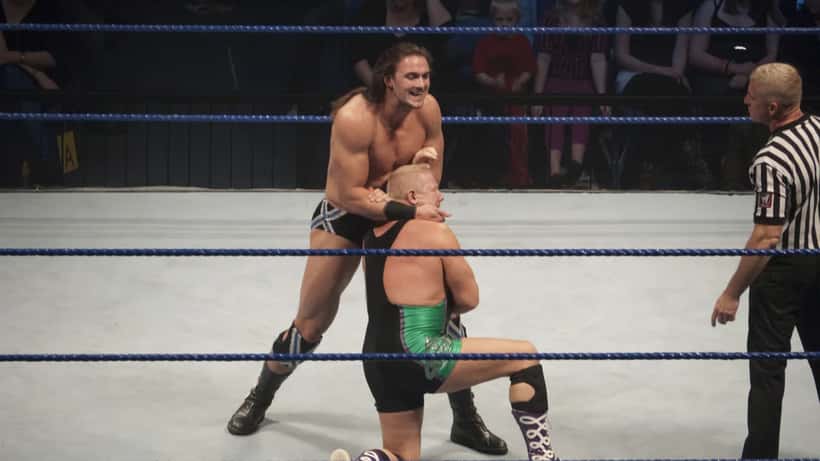
Scotland's Drew McIntyre made headlines on 13 March 2026 when the WWE superstar stormed off the SmackDown stage in front of millions of viewers, shouting "I quit" — the most dramatic exit in recent wrestling history. The moment sparked a conversation far beyond the ring: when is enough truly enough, and how do you know when your body and mind have hit their limit?
What Happened on SmackDown
On the 13 March 2026 episode of WWE SmackDown, Drew McIntyre confronted General Manager Nick Aldis just one week after losing the Undisputed WWE Championship to Cody Rhodes. The Scotsman — who had won the title in Berlin in January, ending a feud that had run for months — argued that the match circumstances were rigged against him and that he had been forced to compete in "two matches too many."
After a heated confrontation with Jacob Fatu, who admitted to interfering in the title match, McIntyre walked out through the crowd declaring: "I'm giving no more, I quit." The walkout was broadcast globally on WWE SmackDown, which airs to tens of millions of viewers.
In true WWE fashion, McIntyre returned later the same evening — setting up what WWE has officially billed as an Unsanctioned Match between McIntyre and Fatu at WrestleMania 42, scheduled for Saturday and Sunday, 18–19 April 2026 at Allegiant Stadium in Las Vegas.
The Real-World Lesson: Recognising the Point of Overload
Whether scripted or not, McIntyre's "too many matches" outburst resonates with anyone who has pushed past their limits in a demanding job. Elite athletes — professional wrestlers included — operate under extraordinary physical and psychological strain, and the line between peak performance and breakdown can be narrower than most people realise.
Sports medicine doctors and occupational health specialists use a framework called overreaching and overtraining syndrome to describe what happens when training load exceeds the body's capacity to recover. Acute overreaching can be reversed with a few days of rest. But chronic overtraining — or in a workplace context, prolonged burnout — requires weeks or months of managed recovery and, in serious cases, professional medical intervention.
According to the NHS, the physical symptoms of chronic stress and burnout include persistent fatigue, disrupted sleep, muscle pain, and a weakened immune system — all of which also describe overtraining in competitive athletes. The mental symptoms — emotional exhaustion, detachment, and a feeling that your effort is no longer valued — map almost exactly onto the frustration McIntyre expressed in his confrontation with management.
When "Pushing Through" Becomes Harmful
British working culture has long celebrated resilience and the ability to keep going under pressure. But health experts increasingly warn that ignoring early warning signs of burnout carries serious long-term consequences: cardiovascular strain, anxiety disorders, depression, and musculoskeletal injuries are all associated with sustained high-intensity work without adequate recovery.
For professional athletes, the stakes are especially high. A wrestler competing in multiple high-impact matches a week with inadequate rest risks not just performance decline but genuine physical injury — torn ligaments, spinal compression, and concussions are occupational hazards in combat sports.
For everyone else, the physical risks of chronic workplace overload are less dramatic but no less real. A GP or occupational health doctor can assess whether physical symptoms — persistent back pain, frequent illness, disrupted sleep — are linked to stress and work load. Getting that assessment early is far more effective than waiting for a full breakdown.
Knowing When to Ask for Help
The challenge is that the people most at risk of burnout are often the least likely to ask for help. High performers — athletes, executives, healthcare workers — tend to define themselves by their ability to absorb pressure. Admitting you need support can feel like failure.
But McIntyre's walkout, even as a storyline, captures something real: sometimes the most intelligent thing a competitor can do is refuse to continue on terms that are damaging them. That instinct — to protect yourself from an unsustainable situation — is exactly what a health professional will tell you to listen to.
Signs that it is time to speak to a doctor or mental health professional include:
- Persistent physical exhaustion that does not improve with rest
- Difficulty sleeping despite fatigue
- Loss of motivation or pleasure in activities that previously energised you
- Increased irritability or emotional reactivity
- Frequent minor illnesses suggesting a suppressed immune system
- Physical pain — particularly back pain, headaches, or chest tightness — that has no clear structural cause
If you recognise three or more of these symptoms over a period of several weeks, a consultation with your GP is the right starting point. They can rule out underlying medical causes, refer you to occupational health services if your symptoms are work-related, or connect you with a mental health specialist.
What Recovery Actually Looks Like
For athletes, structured recovery means controlled rest periods, gradual reloading of training volume, nutritional support, and often physiotherapy or sports psychology. For everyone else, recovery from burnout follows a similar logic: it is not simply "taking a break" but a structured process of reducing load, addressing the root causes of overload, and rebuilding capacity over time.
An occupational health doctor or clinical psychologist can help you design that process. They can also provide documentation for employers if you need to reduce your workload or take medical leave — something that many people find difficult to navigate without professional support.
On ExpertZoom, you can consult health professionals who specialise in occupational health, sports medicine, and mental wellbeing. Whether you're a competitive athlete or a professional who has hit the wall, speaking to the right expert is always more effective than waiting for the situation to resolve itself.
Drew McIntyre returned to the arena the same night he quit. Not everyone does. Recognising the difference between a dramatic recovery and a genuine health crisis is a job for a professional — not a pep talk.
This article uses a public entertainment event as a hook to discuss genuine health topics. It does not constitute medical advice. If you are experiencing symptoms of burnout or mental health difficulties, speak to your GP or a qualified healthcare professional.
