 Phoebe Wilson
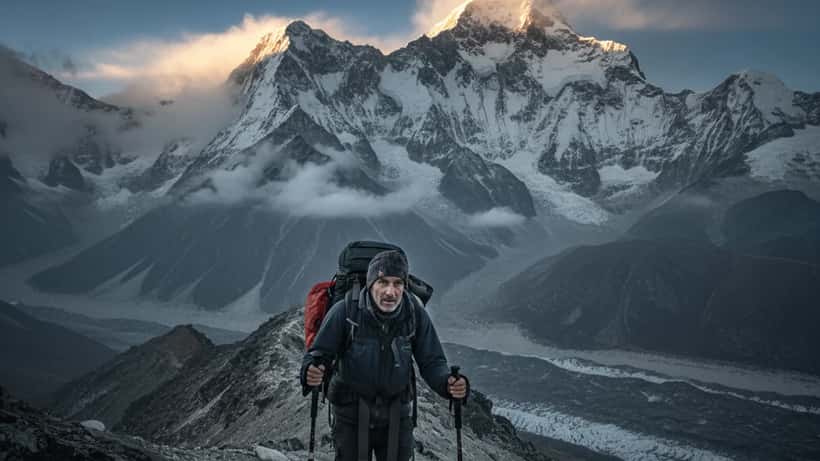
Doug Allan, the Scottish wildlife cameraman who spent 50 years filming polar bears, Arctic seas and jungle floors for the BBC, died on 8 April 2026 while trekking in Nepal. He was 74. His management company confirmed he passed away "immersed in nature and surrounded by friends."
Allan was principal cinematographer on some of the most-watched natural history programmes ever made: The Blue Planet, Blue Planet II, Planet Earth and Frozen Planet, all produced alongside Sir David Attenborough. He won eight Emmy Awards and five BAFTAs, and received an OBE in 2024 for services to broadcast media and environmental awareness.
A Career Built on Physical Endurance
For five decades, Doug Allan's work demanded extraordinary levels of physical fitness. He spent an estimated 620 days filming polar bears in the Arctic, regularly diving beneath sea ice in water colder than minus 1.8°C, and trekking at altitude across continents. His death in Nepal — one of the world's premier trekking destinations, home to eight of the planet's fourteen peaks above 8,000 metres — is a stark reminder that even experienced outdoorspeople face genuine medical risks at altitude.
Nepal welcomes over 150,000 trekkers each year, according to the Nepal Tourism Board. A significant proportion experience altitude-related symptoms, and a smaller but serious number require emergency medical evacuation.
What Is Altitude Sickness — and Who Is at Risk?
Altitude sickness, medically known as acute mountain sickness (AMS), begins when the body cannot adapt quickly enough to reduced oxygen levels at height. Symptoms typically appear above 2,500 metres and include:
- Persistent headache — often described as a pressure or throbbing sensation
- Nausea and loss of appetite
- Fatigue and dizziness disproportionate to exertion
- Disturbed sleep, with periods of stopped breathing (Cheyne-Stokes breathing)
- Shortness of breath at rest
The critical point most trekkers miss: symptoms do not reliably correlate with fitness level or previous trekking experience. Marathon runners, military veterans and seasoned mountaineers have all been struck by serious altitude-related illness. Age over 65 is an additional risk factor that affects how quickly the body adjusts to oxygen deprivation.
A minority of AMS cases progress to high-altitude pulmonary oedema (HAPE), where fluid builds in the lungs, or high-altitude cerebral oedema (HACE), where the brain swells. Both are life-threatening and require immediate descent.
The Three Warning Signs You Cannot Ignore
Medical guidelines from the Wilderness Medical Society identify three situations that require immediate action — descent and/or emergency care:
- Symptoms worsen despite rest at the same altitude. The body needs to go lower, not wait.
- Ataxia — loss of coordination or the inability to walk in a straight line. This is a red flag for HACE.
- Confusion or altered consciousness. Any change in mental status at altitude is a medical emergency.
If in doubt, descend. Altitude sickness does not improve by pushing through it.
What Every Trekker Should Do Before Departure
Nepal's popular Everest Base Camp trek climbs from roughly 2,800 metres at Lukla to 5,364 metres over approximately 12 days. Even well-paced itineraries carry risk. Healthcare professionals with expertise in travel medicine recommend several steps before any high-altitude expedition:
Consult a specialist in advance. A doctor or travel health specialist can assess your individual risk based on your cardiovascular history, blood pressure, prior altitude experience and medication use. Certain conditions — including heart arrhythmias, chronic obstructive pulmonary disease and uncontrolled hypertension — significantly increase risk.
Discuss prophylactic medication. Acetazolamide (Diamox) is commonly prescribed to speed acclimatisation, but it is not suitable for everyone. A proper medical consultation is essential before taking it.
Plan acclimatisation days. The standard rule is not to sleep more than 300–500 metres higher than the previous night after crossing 3,000 metres. Reputable trekking itineraries build in rest days at key altitudes — but travellers booking independent itineraries sometimes skip these in an attempt to save time.
Know the evacuation options. In many parts of Nepal, helicopter rescue is available but expensive — costs can reach £3,000–£8,000 per evacuation. Comprehensive travel insurance with medical evacuation cover is not optional.
The Outdoor Enthusiast's Checklist
For the thousands of UK residents who travel annually for trekking, skiing or multi-day hiking in mountainous regions, a pre-trip health consultation serves several purposes beyond altitude advice:
- Reviewing vaccinations for the destination country
- Assessing fitness-related cardiac risk before sustained exertion
- Discussing management of chronic conditions (diabetes, asthma, anticoagulants) in remote settings
- Updating emergency contact and insurance documentation
Doug Allan's legacy is a half-century of images that made the natural world vivid to hundreds of millions of viewers. His death is a reminder that the outdoors, even for those most at home in it, demands preparation and respect for the body's limits.
If you are planning a trek at altitude, a pre-trip consultation with a travel medicine specialist or general practitioner is the single most effective step you can take. An ExpertZoom health specialist can help you assess your individual risk and prepare safely for your next adventure.
YMYL disclaimer: This article provides general health information only. It is not a substitute for personalised medical advice. If you experience symptoms of altitude sickness, descend immediately and seek emergency medical attention.
