 Andrew Wright
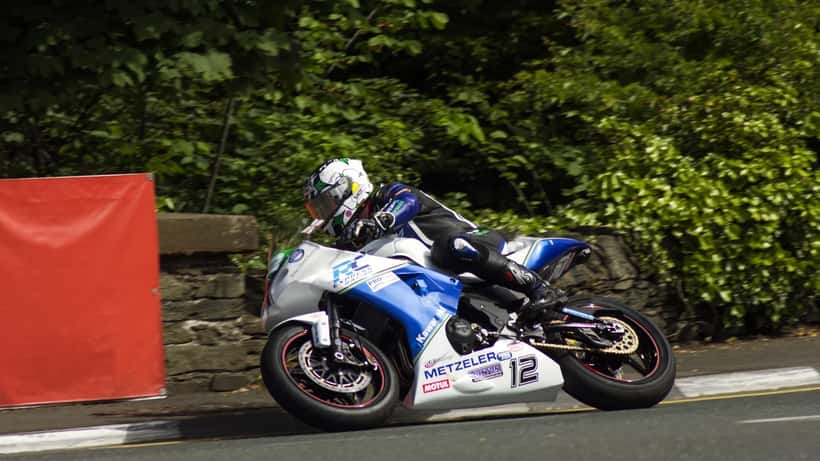
Dean Harrison set the fastest-ever opening qualifying lap at the 2026 Isle of Man TT on 27 May, clocking 133.925mph on his Honda CBR1000RR-R around the 37.73-mile Snaefell Mountain Course. By the end of practice week on 30 May, the Bradford-born rider had topped every single qualifying session, culminating in a stunning 135.484mph lap — the quickest of the entire practice week. With races starting on 31 May and 1 June, Harrison heads into race day as the clear favourite in both the Superbike and Superstock classes.
But behind every blistering lap time at the Isle of Man TT is an army of mechanics whose work is just as critical as the rider's nerve. At 135mph on public roads with no barriers and stone walls feet away, a mechanical failure is not just a race-ending inconvenience — it can be fatal. What does race-level preparation actually look like, and what can everyday motorcyclists learn from it?
Why TT Mechanics Work Differently from Road Mechanics
The Isle of Man TT is the most demanding road race in the world. The course runs on ordinary public roads — the same roads used by lorries and buses during the week — which means the surface is rarely consistent. Riders hit bumps, drain covers, and patched tarmac at speeds most motorway users never reach.
Race mechanics at the TT do not simply check oil levels and tyre pressure. According to coverage from Motorcyclenews.com, Harrison's Honda Racing UK team made targeted adjustments to the front end of his machine between qualifying sessions after feedback from the rider. This kind of real-time engineering response — balancing suspension geometry, fuelling maps, and brake bias — is what separates a race-prepped motorcycle from one simply given a once-over.
For road riders watching from the grandstands, the process raises a question: when did you last have a professional mechanic look at your bike beyond the annual MOT?
6 Checks a Motorcycle Mechanic Prioritises Before a Big Ride
A professional motorcycle mechanic's pre-ride inspection covers far more ground than most riders realise. Here are the critical areas they assess:
1. Tyre condition and pressure. Race tyres are chosen for each track condition and lap time. Road tyres degrade from UV, cracking, and incorrect inflation — a tyre more than five years old should be replaced regardless of tread depth. Dean Harrison's team manage tyre compounds carefully across sessions; road riders should check cold pressure weekly and inspect sidewalls monthly.
2. Brake fluid and pad wear. Brake fluid absorbs moisture over time, lowering its boiling point. Under sustained hard braking — even in an emergency stop — degraded fluid can boil and cause brake fade. Race mechanics flush brake fluid regularly; road guidelines recommend every two years.
3. Chain tension and lubrication. A loose or dry chain can snap at speed or jump a sprocket. Mechanics at the TT check chain tension after every session because heat expands metal. Road riders should check tension and lubrication every 300-500 miles.
4. Steering head and wheel bearings. Play in the steering head causes instability at speed. At 135mph, even a fractional amount of play is dangerous. Mechanics check bearings by lifting the front wheel and moving the bars — any clunking indicates wear that needs immediate attention.
5. Coolant and engine oil levels. Overheating causes seizure. Race teams monitor engine telemetry in real time; road riders should check coolant and oil before any long ride, particularly in summer heat or after extended motorway runs.
6. Throttle and clutch cable action. A sticking throttle at race speeds is life-threatening. Cables should move freely without binding through the full range of steering lock. Mechanics lubricate and adjust cable tension as standard.
The Lesson from Harrison's Dominance
What makes Dean Harrison's TT qualifying so impressive is not just raw speed — it is consistency. He has topped every session without a single significant error, according to reports from Motorcyclenews.com. That consistency does not happen by chance. It is the product of a rider who trusts his machine completely, because the people preparing it have left nothing to chance.
Road riders often delay maintenance until something feels wrong. By then, a problem that a mechanic could have caught for £50 may have become a safety hazard — or a breakdown in the middle of nowhere. The TT paddock shows what proactive, thorough mechanical care looks like. The standard applies whether you are racing at 135mph or commuting at 40.
When to See a Professional Mechanic
The UK's MOT test covers basic safety checks, but it is an annual minimum, not a comprehensive service. Riders who cover significant mileage, who store their bikes over winter, or who are preparing for touring season should book a full inspection with a qualified mechanic — not just an MOT.
A professional motorcycle mechanic can identify worn bearings, stretched cables, and degraded brake fluid before they become problems. At the TT, that level of scrutiny is non-negotiable. On the road, it is just as important.
For more on vehicle safety standards in the UK, the government's official guide to MOT testing is available at gov.uk/getting-an-mot.
If you are preparing your motorcycle for the riding season, consulting a qualified mechanic through a platform like Expert Zoom can help identify issues before they become dangerous. A 30-minute inspection is a small investment compared to a breakdown or, worse, a preventable accident.
YMYL notice: Motorcycle maintenance affects rider safety. This article is for informational purposes only. Always consult a qualified mechanic for professional assessment of your vehicle.
For further reading, our piece on Isle of Man TT 2026: who pays if something goes wrong? explains the legal side of racing incidents.
