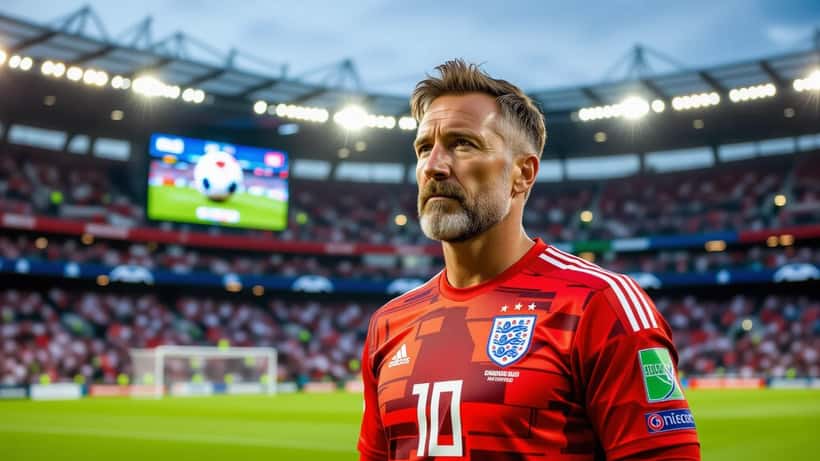
As England edge closer to the 2026 World Cup, the debate over who will guard the Three Lions' net is becoming one of the most discussed storylines in British football. David Seaman, the country's most capped goalkeeper of the modern era and a fixture of six major tournaments, has stepped back into the spotlight to share his verdict on the current crop of candidates. His assessment mixes old-school resilience with a clear-eyed understanding of what international goalkeeping now demands.
Seaman won 75 England caps between 1988 and 2002 and was first choice at four World Cups and two European Championships. While he never lifted a major trophy with England, his penalty-shootout heroics and commanding presence defined a generation. Now, speaking in his familiar calm manner, he argues that the 2026 cycle presents both an opportunity and a warning for the next England No. 1.
"The modern goalkeeper has to be so much more than a shot-stopper," Seaman said in a recent interview. "Distribution, one-on-ones, coming for crosses under pressure — and then the mentality to play in front of 80,000 people every week. That's the package Gareth [Southgate's successor] will be looking for."
That package currently belongs, by consensus, to Jordan Pickford. The Everton and England stopper has been the country's first choice since 2018 and remains the man to beat heading toward North America in 2026. Pickford's tournament record is strong: he has saved more penalties in shootouts than any other England goalkeeper and has rarely let the occasion overwhelm him. Yet Seaman is careful not to hand him the jersey by default.
"Jordan has earned the right to be No. 1, but the gap between him and the challengers is smaller than people think," Seaman noted. "One long-term injury, one dip in confidence, and the picture changes very quickly. We've seen it before with England goalkeepers."
That warning is particularly relevant given the physical toll the position takes. Goalkeepers may cover less ground than outfield players, but the explosive dives, landings, and collisions create a unique injury risk. When a keeper like Angus Gunn is sidelined by a shoulder or knee problem, the ripple effect can reshape a squad. Clubs and national teams alike are now investing far more in sports-medicine and physiotherapy support to keep their last line of defence on the pitch. Anyone dealing with a similar setback can find specialist guidance through the same kind of expert network that now supports elite keepers.
Beyond Pickford, Seaman identifies Aaron Ramsdale and Dean Henderson as the most credible domestic challengers, with Nick Pope also in the conversation if he can stay fit. Each brings a different profile. Ramsdale is comfortable with the ball at his feet and thrives on vocal organisation. Henderson combines athleticism with a fierce competitive streak. Pope is arguably the best pure shot-stopper of the group when healthy.
"What separates a good club goalkeeper from a great international one is decision-making under fatigue," Seaman explained. "At a World Cup you might play seven games in 26 days, travel across time zones, and face a penalty shootout in a quarter-final. You can't coach that in training; it comes from experience and temperament."
Seaman also believes the 2026 World Cup format will test goalkeeping depth more than ever. With 48 teams and an expanded knockout phase, squads could face extra matches and compressed recovery windows. England's group-stage opponents will be confirmed after qualification, but the tournament schedule itself means any squad weakness is likely to be exposed. Keeping track of the latest fixtures and standings is essential for fans and analysts trying to map out England's route.
Off the pitch, Seaman has become an increasingly vocal advocate for the support structures that surround modern players. He points out that goalkeepers operate in a high-pressure bubble where one mistake can define a career. That pressure extends to contract negotiations, image rights, and financial planning. When a goalkeeper finds himself in a contractual dispute or facing an unexpected career crossroads, getting independent legal and professional advice early can make the difference between a setback and a crisis.
The cautionary tales are well known within the game. Peter Shilton, England's record cap-holder, has spoken openly about how gambling difficulties and poor financial decisions cost him millions after retirement. Seaman cites Shilton's honesty as a service to younger players, reminding them that technical ability is only part of a long career. Mental resilience, trusted advisers, and a clear sense of identity away from the pitch are just as important.
For amateur and semi-professional goalkeepers, Seaman's advice is refreshingly simple: master the basics, then build the layers. "You can't fake handling crosses or positioning," he said. "Get those right first. Then work on your distribution, your communication, and your mindset. And don't be afraid to ask for help. The best keepers I played with were always the ones asking questions."
That openness to expert guidance is a theme Seaman returns to throughout the conversation. Whether it is a coach refining technique, a sports psychologist managing pressure, or a legal professional reviewing a contract, he argues that elite performers surround themselves with specialists. In a marketplace where expert advice is increasingly accessible, there is no reason for aspiring players — or anyone navigating a high-stakes decision — to go it alone.
As the 2026 World Cup draws nearer, England's goalkeeping hierarchy will continue to evolve. Seaman will not be the one pulling on the gloves this time, but his perspective remains a valuable compass. His message is clear: talent gets a goalkeeper selected, but judgement, durability, and the right support system decide who walks out under the lights when it matters most.
