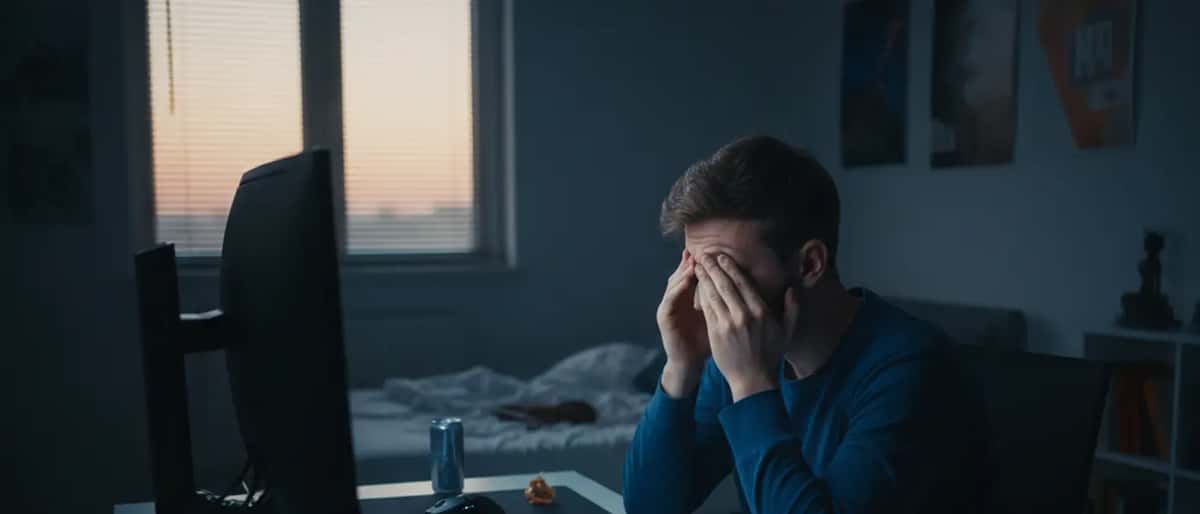
Pearl Abyss announced on 20 March 2026 that Crimson Desert, the action RPG released the previous day for PC, PlayStation 5, Xbox Series X/S and macOS, had sold over two million copies within its first 24 hours. It is one of the fastest-selling game launches of the year — and millions of players are now spending extended hours in front of screens. Sports medicine and health specialists are warning that the excitement of a major game release is precisely the moment when gamers push their bodies past safe limits.
Two million sold in 24 hours — and counting
Crimson Desert, developed by Pearl Abyss, arrived after years of anticipation. PC Gamer and Push Square noted generally positive critical reception, with reviewers praising its open-world design and combat system. The game's complexity almost guarantees long session times: players will naturally want to explore everything, complete quests, and master the mechanics in the first days after release.
This is when the health risks peak. Research published in ScienceDaily in January 2026 identified a clear "tipping point" in gaming frequency and physical health outcomes. Students gaming more than 10 hours per week showed measurably worse dietary habits, higher body weight, and significantly poorer sleep quality than those gaming fewer hours. The key risk factor was not gaming itself, but the intensity of play during high-excitement periods — exactly what a blockbuster launch like Crimson Desert triggers.
The physical toll of long gaming sessions
Extended gaming places specific physiological stresses on the body that many players underestimate until symptoms become serious.
Eye strain and digital fatigue. Staring at a high-contrast, fast-moving screen for three or more hours without breaks causes a condition clinically known as Computer Vision Syndrome (CVS). Symptoms include dry eyes, blurred vision, headaches, and difficulty refocusing on distant objects. According to the American Optometric Association, CVS affects approximately 50 to 90 percent of computer users who work at screens for extended periods. The fix is surprisingly simple: the 20-20-20 rule — every 20 minutes, look at something 20 feet away for 20 seconds.
Repetitive strain injuries (RSI). The thumbs, wrists, and forearms take the brunt of controller or keyboard use during intensive gaming. Gamer's thumb (De Quervain's tenosynovitis) and carpal tunnel syndrome are increasingly common presentations in sports medicine clinics. If you feel tingling, numbness or sharp pain during or after gaming, these are early warning signs that warrant a medical assessment rather than being pushed through.
Postural problems. Most gaming setups are ergonomically poor. Slouching on a sofa or hunching over a desk for several hours compresses the lumbar vertebrae and strains the neck muscles. Chronic lower back pain linked to poor gaming posture is now one of the most common musculoskeletal complaints seen by sports medicine and physiotherapy clinics in the UK.
Sleep disruption. The excitement of a new game release makes it especially tempting to play "just one more hour" late into the night. Blue light emitted by screens suppresses melatonin production, delaying sleep onset. A Harvard Health study found that gamers who play in the 90 minutes before bed take significantly longer to fall asleep and report poorer sleep quality. Poor sleep, in turn, impairs immune function, concentration, and mood.
Who is most at risk?
Adults who game recreationally are generally better at self-regulating than teenagers. However, research consistently identifies three higher-risk groups:
Young adults (18-25) during university or early career phases, when sleep pressure is already high and gaming provides easy stress relief. This group is most likely to sacrifice sleep for gaming during a major launch window.
Remote workers whose home environments blur the boundary between work screens and gaming screens. Screen fatigue accumulates across both activities.
People with sedentary jobs who then spend additional hours gaming — the total screen-and-sitting time creates compounded physical risks.
What sports medicine specialists recommend
Sports medicine professionals offer the same principles for gaming that they apply to any repetitive physical activity:
Structure your sessions. Limit continuous play to 90-minute blocks, followed by at least a 15-minute break involving movement — a short walk, stretching, or simply standing up and moving away from the screen.
Set up your station properly. Your screen should be at eye level or slightly below, approximately 50-70 cm from your face. Use a chair that supports your lower back. Your controller or keyboard should not require you to twist your wrists.
Hydrate properly. Dehydration worsens headaches and eye strain. Keep water within reach and avoid excessive caffeine, which compounds sleep disruption.
Listen to early signals. Neck stiffness, wrist aching, or eye soreness that persists for more than a few days after gaming is not normal. These are your body's early warning system. Addressing them early — with a physiotherapist, sports medicine doctor, or GP — prevents them from becoming chronic conditions.
When should you see a doctor?
If you experience wrist or thumb pain that wakes you at night, persistent headaches after gaming sessions, vision changes that don't clear after resting, or lower back pain that limits your daily activity, do not wait. A sports medicine specialist or GP can assess whether you have developed RSI, CVS, or a postural injury, and provide a structured recovery plan.
Disclaimer: This article provides general health information for educational purposes only. It does not constitute medical advice. If you are experiencing pain or discomfort, please consult a qualified healthcare professional.
Expert Zoom connects you with sports medicine specialists and GPs who can assess gaming-related injuries and provide personalised advice. Visit our health specialists to book a consultation today.
