 Eleanor Vaughan
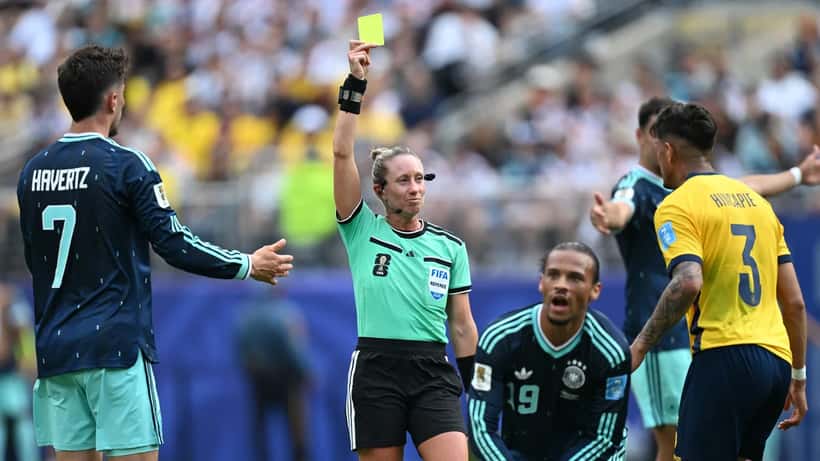
Colombia face Ghana tonight in Kansas City in a Round of 32 clash at the 2026 FIFA World Cup — and for several players on both sides, every single tackle carries a legal consequence that extends far beyond the final whistle. One yellow card tonight could trigger an automatic suspension that knocks a Premier League star out of the tournament's next round. Understanding FIFA's disciplinary rules — and when they can be challenged — matters as much as the scoreline.
The Yellow Card Minefield in Knockout Football
The 2026 World Cup expanded to 48 teams, meaning more matches and more opportunities for bookings to accumulate. Under FIFA's current Disciplinary Code, a player who receives two yellow cards in the same competition up to and including the quarter-finals faces an automatic one-match ban.
Colombia finished unbeaten in Group F after wins against Uzbekistan and DR Congo and a draw with Portugal. That run came with physicality. Multiple Colombian players — including midfielder Richard Ríos and defender Dávinson Sánchez — entered the knockout stage carrying a single booking. For Ghana, who finished third in Group L on the back of a win over Panama, a draw with England, and a defeat to Croatia, the situation is no different.
Tonight's match at Arrowhead Stadium in Kansas City kicks off at 01:30 UTC on 4 July 2026. Any player booked in the first 89 minutes is one more reckless challenge away from sitting out the Round of 16.
What FIFA's Disciplinary Code Actually Says
FIFA's Disciplinary Code distinguishes between yellow and red cards, and between automatic suspensions and discretionary bans imposed by the FIFA Disciplinary Committee (FDC).
For yellow cards, the rule is mechanical: two yellow cards in the group stage and knockout rounds up to the quarter-finals equals an automatic ban for the next match. This accumulation resets after the quarter-finals — so a player suspended at that stage returns to a clean slate for the semi-finals.
A straight red card — whether for violent conduct, serious foul play, offensive language, or a second bookable offence — triggers a minimum one-match suspension, with the FDC empowered to extend it depending on the severity. Violent conduct typically results in a three-match ban under FIFA's Disciplinary Code, effectively ending a player's tournament if issued in the last 16.
The distinction between automatic and discretionary bans is critical because it determines whether a legal challenge is possible. Automatic yellow card bans cannot be appealed — they are mathematically triggered. A discretionary ban imposed by the FDC, however, can be challenged: first to the FIFA Appeal Committee, and ultimately to the Court of Arbitration for Sport (CAS) in Lausanne.
Can Players and Clubs Challenge a Ban?
When a disciplinary case goes before the FDC, both the player and their national association have the right to submit a statement of defence. The committee examines video footage, referee reports, and witness accounts from match officials. Decisions typically arrive within 24 to 48 hours to allow replacement squad selections.
Appeals to the FIFA Appeal Committee must be filed within 24 hours of the FDC decision being communicated. The appellant must demonstrate either a procedural error or a clear error of fact in assessing what happened on the pitch.
CAS sits at the top of the chain. Any party dissatisfied with a FIFA Appeal Committee ruling can take the case to CAS, whose decisions are final and binding under Swiss private law. CAS proceedings during major tournaments operate under expedited rules, sometimes concluding within hours of filing.
In practice, yellow-card bans are almost never overturned — the process is automatic, not interpretive. The more productive ground for legal challenge is the straight red card, particularly where there is a genuine dispute over whether an incident constituted "violent conduct" versus "serious foul play," which carries different consequences.
What This Means for Premier League Clubs
This is not purely an international matter. Premier League clubs have a direct financial and sporting interest in how FIFA handles suspensions, even though they have no formal standing in the FDC process.
Several of Ghana's squad have strong Premier League connections: Antoine Semenyo (Bournemouth) and the Williams brothers — Iñaki and Nico — represent the talent pipeline that English clubs help develop. Thomas Partey, who spent four years at Arsenal before joining Villarreal, remains one of the most recognisable Ghanaian players in English football.
For Colombia, Luis Díaz — now earning approximately £231,000 per week at Bayern Munich after leaving Liverpool last summer — is the headline act. A suspension that derails Colombia's run has a ripple effect on Bayern Munich's squad planning for the coming season, insurance protocols, and contract clauses tied to tournament performance.
Under FIFA's mandatory release framework — explained in detail in our guide to what England's WC2026 player release rules mean for clubs — clubs must release players without compensation. Suspension, however, sits outside that framework entirely. There is no FIFA compensation to clubs for matches missed due to disciplinary bans, and club contracts rarely contain clauses that adjust payment based on international disciplinary records. That gap between assumed coverage and actual protection is exactly where specialist legal advice becomes essential.
When You Need a Sports Law Solicitor
The complexity of FIFA's disciplinary framework — multiple appeal tiers, 24-hour deadlines, and interaction with Swiss private law — is a reminder that sports law is highly specialised. Whether you are a player's representative managing a potential ban, a club legal team reviewing insurance coverage, or an amateur athlete facing a disciplinary decision in your own league, the rules are rarely as simple as they first appear.
A qualified sports law solicitor can advise on appeal grounds, realistic timelines, and the strength of any challenge before deadlines expire. Acting early — before the 24-hour window closes — is always the better course.
This article provides general information about FIFA's disciplinary rules and is not legal advice. For advice specific to your circumstances, consult a qualified solicitor.
