 Abigail Clarke
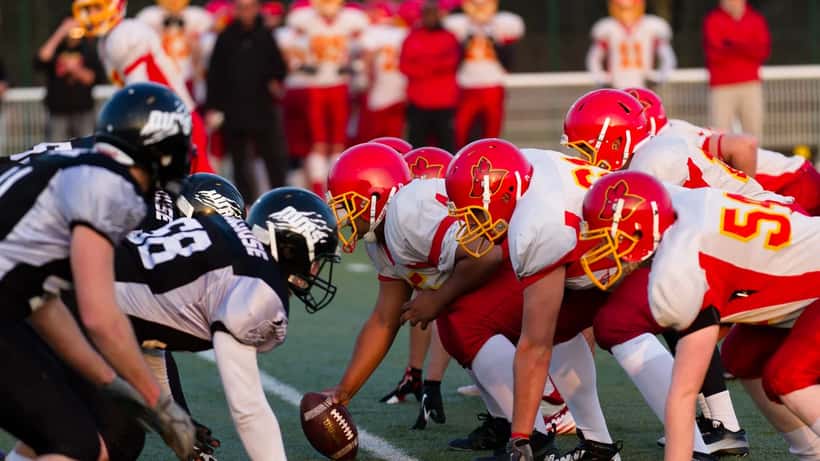
The Thursday Night Football clash between the Cleveland Browns and the Pittsburgh Steelers on 1 October 2026 drew one of the largest Prime Video audiences of the season. Two 2-1 teams, a record-setting Browns home winning streak on Thursday nights, and Aaron Rodgers making what may be his final late-season primetime appearance all made for unmissable sport. But behind the drama of the AFC North rivalry runs a question that no amount of touchdowns can silence: what is contact sport — even when watched from the sofa by millions of amateur and youth players inspired by what they see — doing to the human brain?
Research published in the British Medical Journal in August 2026 found that at least one in four former NFL players who died between 2016 and 2021 showed signs of chronic traumatic encephalopathy (CTE). That figure — 25 per cent — landed like a shockwave across sports medicine. And while Browns-Steelers fever grips Cleveland and Pittsburgh, doctors across the UK are seeing a parallel surge: more parents, more weekend footballers, and more amateur rugby players walking into consultations asking the same question. Should I be worried about my head injury?
The Rivalry as a Mirror for Contact Sport Risk
The Browns-Steelers fixture has produced 14 concussion evaluations across the last four regular-season matchups, according to NFL injury data compiled by Sharp Football Analysis. That statistic sits inside a wider NFL 2025 season figure that is striking in its own right: 538 in-game concussion evaluations and 26 medical timeouts across the entire league calendar — a record.
The NFL's Concussion Protocol, updated ahead of the 2026 season, requires a five-phase return-to-participation process, with no fixed timetable for recovery. An independent unaffiliated neurotrauma consultant reviews every suspected case. A player diagnosed with a concussion cannot return to play the same day. Those are the rules for professional athletes with full medical teams, salaried neurologists, and baseline neurological assessments taken in preseason. The average UK amateur player, the weekend five-a-side regular, the under-16 rugby prospect — they have none of that support structure.
What the CTE Research Actually Means for Everyday Players
CTE is a progressive degenerative brain disease caused by repeated head trauma. It can only be definitively diagnosed post-mortem, which makes the BMJ's August 2026 findings both landmark and sobering: of former NFL players studied, 25 per cent showed pathological evidence of CTE at autopsy. The condition is associated with memory loss, depression, impulsivity, and — in advanced stages — dementia-like symptoms that can emerge years or even decades after the original injuries.
What makes the Browns-Steelers matchup a useful lens is not any specific play or player: it is the sheer physical nature of the game on display. The 2025 NFL season alone recorded 182 diagnosed concussions during the regular season. The introduction of the Dynamic Kickoff format in 2025 pushed concussions on kickoffs from 8 to 35 in a single season — a near fourfold increase, proving that rule changes can have unintended consequences in either direction.
UK sports fans watching NFL are also, in growing numbers, playing American football themselves. The British American Football Association reported participation records in 2024. But regardless of code — rugby union, rugby league, football (the traditional kind), ice hockey, boxing — the underlying biomechanics of head injury are the same. And the question of when to seek expert medical advice is one that too many people answer incorrectly, either by dismissing symptoms entirely or by waiting weeks before speaking to a professional.
As explored in previous Expert Zoom reporting on rugby concussion risks and the Nations Championship and the Isle of Man TT head injury suspension decision, the sports medicine picture in 2026 is one of growing awareness but still-patchy follow-through at the grassroots level.
What a Sports Medicine Specialist Would Tell You to Watch For
Head injuries exist on a spectrum. A mild knock with brief disorientation is different from a sustained loss of consciousness — but both require professional assessment, and the danger of the former is precisely that it feels manageable without one.
UK sports medicine specialists identify several red-flag symptoms that warrant immediate emergency care: a loss of consciousness of any duration; a seizure immediately after the impact; repeated vomiting; one pupil larger than the other; severe or worsening headache; or numbness/weakness in the limbs. These are 999 symptoms.
Below that threshold, the so-called "grey zone" is where most amateur athletes fall — and where expert consultation matters most. Symptoms including persistent headache lasting more than 24 hours, difficulty concentrating, sensitivity to light or noise, disrupted sleep, or a feeling of "brain fog" in the days following a head impact can all be signs of post-concussion syndrome, a condition that is entirely treatable but frequently mismanaged when self-assessed.
The specific danger of amateur sport is the Return to Play decision. Without a structured protocol — the kind the NFL mandates — players routinely underestimate their recovery timeline and return to play while still symptomatic. A second impact during that window, even a minor one, can cause second-impact syndrome: a rapid, catastrophic increase in brain pressure that is rare but can be fatal or permanently disabling.
A sports medicine doctor or neurologist can run standardised assessments (the SCAT6 tool is the current international standard), establish a baseline for cognitive function, and guide a structured return to play. That process cannot be replicated with a Google search or a brief chat with a club physio.
Concrete Case: What Happens If You Brush It Off
Consider a 19-year-old British American Football player who takes a helmet-to-helmet hit during a league fixture on 4 October 2026. He feels dizzy for about 30 seconds, shakes it off, and plays the remaining two quarters. The following Monday he returns to training, still experiencing mild headaches and trouble sleeping — symptoms he attributes to fatigue. He plays again the following Saturday, takes a routine tackle, and experiences sudden severe head pain and disorientation. He is taken to A&E.
The outcome in this scenario is determined by one variable: whether he had a second concussion before fully recovering from the first. If yes, his risk of second-impact syndrome — with potential outcomes including permanent neurological damage — rises sharply. If no, he likely recovers fully with proper rest and a structured protocol.
The if/then logic is stark: if a player returns to contact sport within 14 days of a symptomatic head impact without medical clearance, then the risk of a serious second-impact event increases by an estimated 5.8 times compared to a fully cleared player, according to neurology research cited in the NHS's concussion guidance. That is not a statistical abstraction — it is the difference between a full recovery and a life-altering injury.
A 60-minute consultation with a sports medicine specialist, typically priced between £120 and £250 in the UK private sector, provides a SCAT6 assessment, a personalised return-to-play timeline, and documentation that a club or school can act on. That investment, made after the first incident, would have changed the trajectory entirely.
What UK Grassroots Sport Gets Wrong
The structural gap in UK grassroots sport is the absence of mandatory concussion protocols at amateur level. The NFL's system — independent consultants, booth reviewers, five-stage return protocols — exists because of litigation, regulatory pressure, and decades of catastrophic outcomes. UK amateur sport has not yet faced the same forcing functions.
The Rugby Football Union introduced its "Headcase" protocol for amateur clubs, and the Football Association updated its concussion guidelines in 2024. But implementation at the club level remains inconsistent, and crucially, neither league nor club officials can substitute for a medical professional when it comes to assessing individual risk.
UK residents have access to free NHS assessment for acute head injuries — any person who loses consciousness or experiences the red-flag symptoms above should attend A&E without hesitation. For sub-acute and ongoing symptoms, a GP referral to a sports medicine specialist or neurologist is available on the NHS, though waiting times vary. Private sports medicine consultations offer faster access and the SCAT6 structured assessment — particularly relevant for players under pressure to return to their team quickly.
What to Do Next
Watching the Browns and Steelers put their bodies on the line for the AFC North is compelling sport. But the game also serves as a useful reminder that head injuries in contact sport — at any level — deserve the same structured, professional response that NFL players receive as a matter of league policy.
If you or someone you train with experiences a head impact with any subsequent symptoms — persistent headache, difficulty concentrating, sleep disruption, or mood changes — consult a health professional before returning to play. Do not wait for the symptoms to feel serious enough. In brain injury, the window for intervention matters.
Expert Zoom connects UK residents with qualified sports medicine professionals, neurologists, and general practitioners for video or in-person consultations. A structured concussion assessment costs less than a match day hospitality ticket — and it may prevent consequences far more costly than a defeat.
This article is for informational purposes only and does not constitute medical advice. Always seek the guidance of a qualified health professional regarding any medical condition or symptom.
